

Whole-system duct and dryer vent check with before-and-after photos - you see exactly what came out of your vents
That "$99 whole-house special" is a bait ad - the real number appears once they are in your hallway, or the "clean" is a shop-vac at the register. We photograph the inside of your ducts before and after instead.

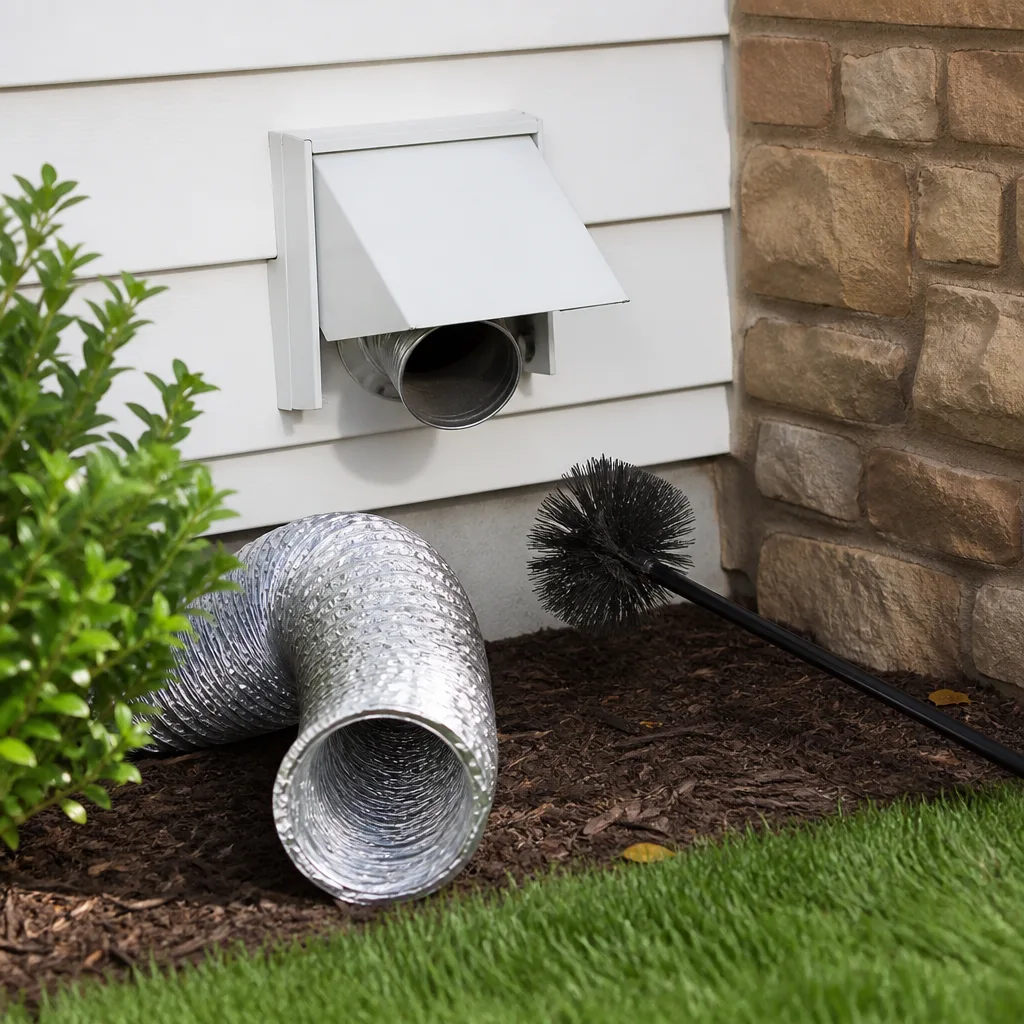
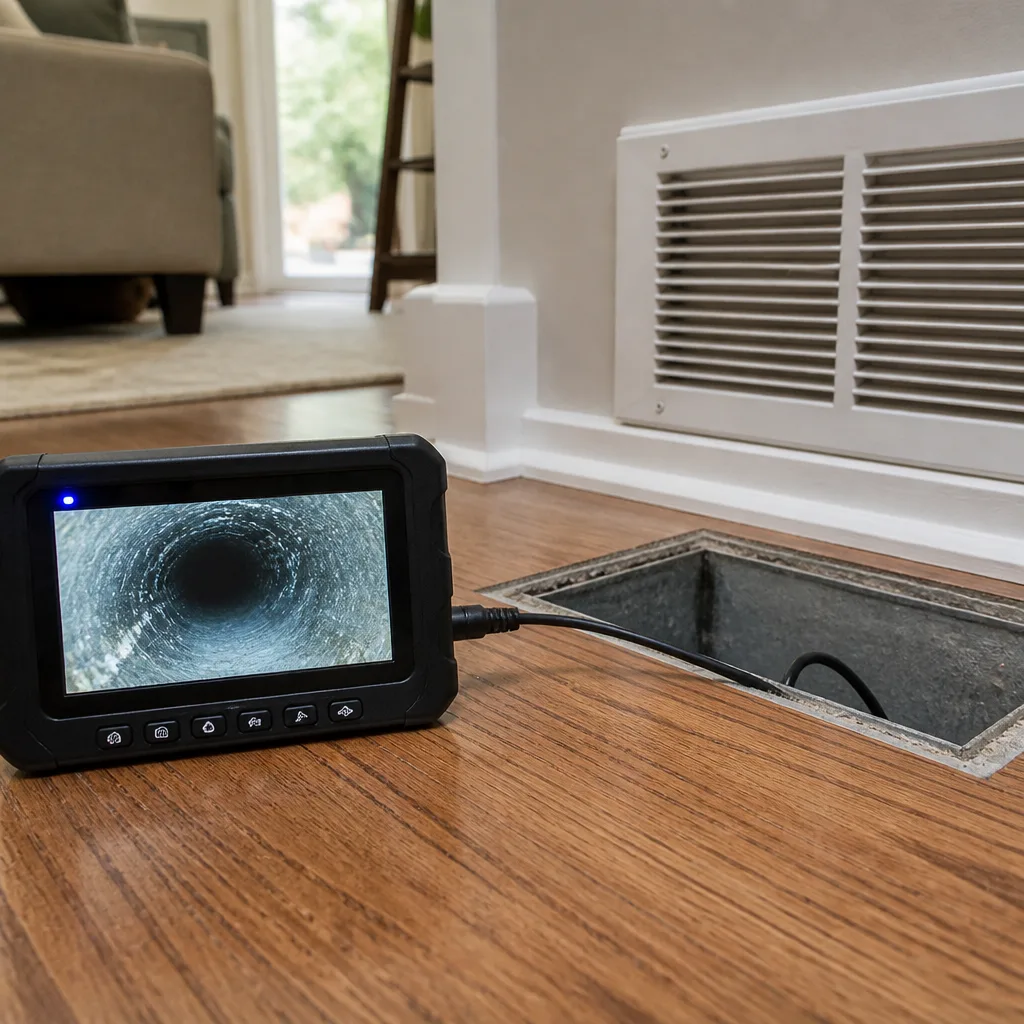
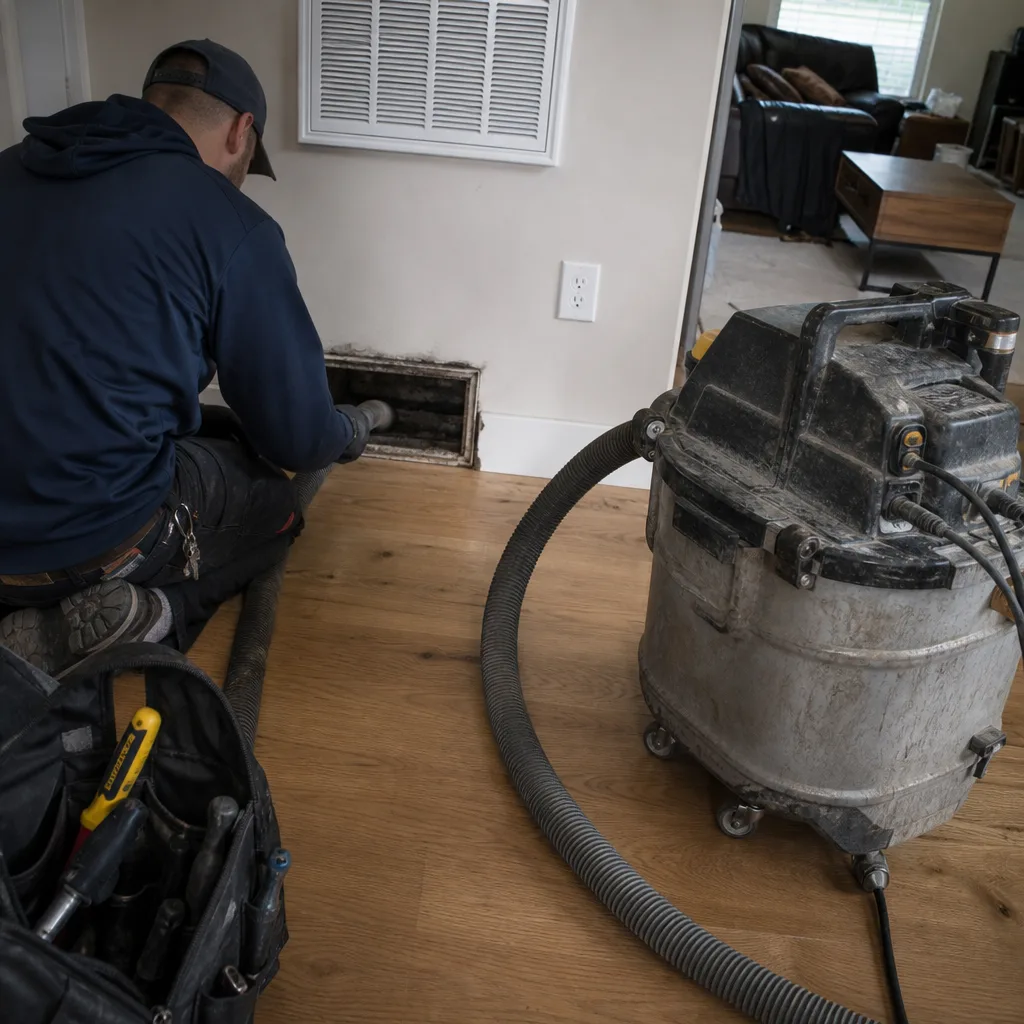 Before
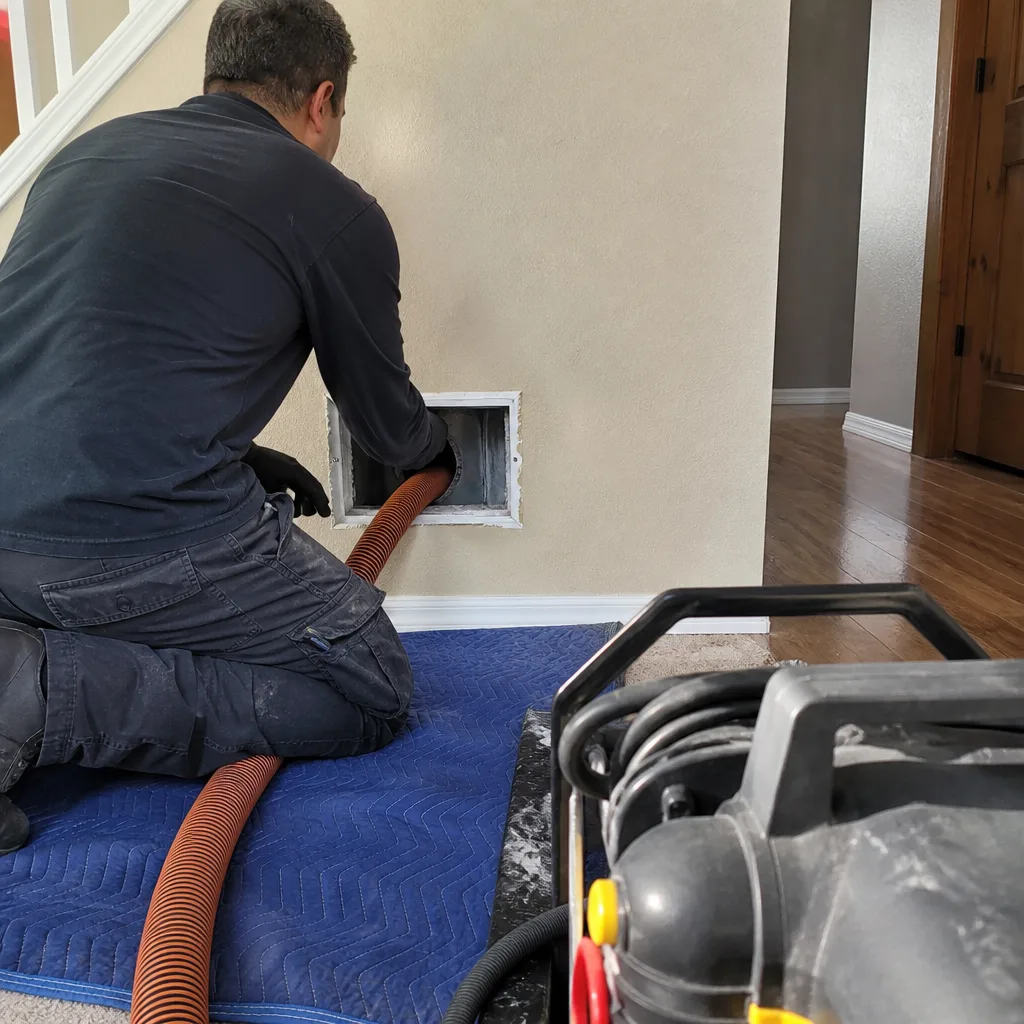 After
After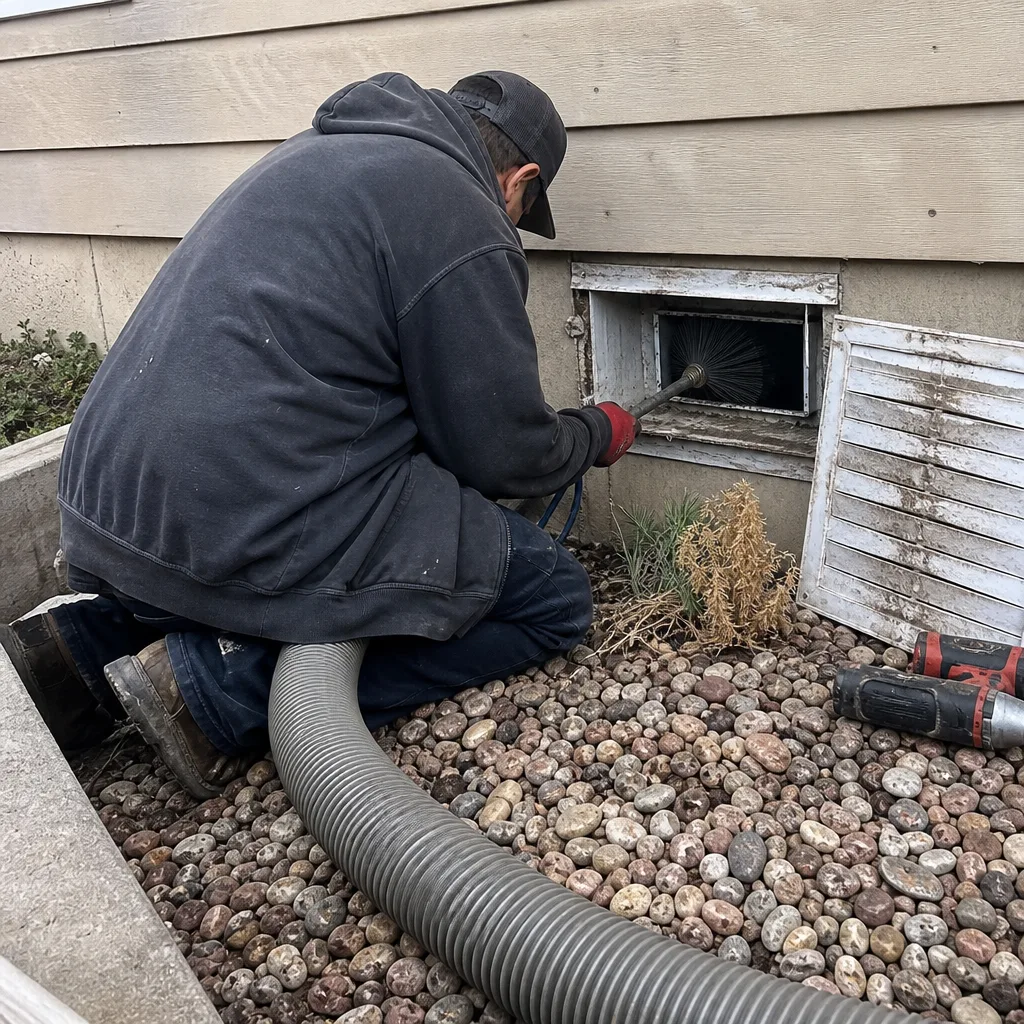 Before
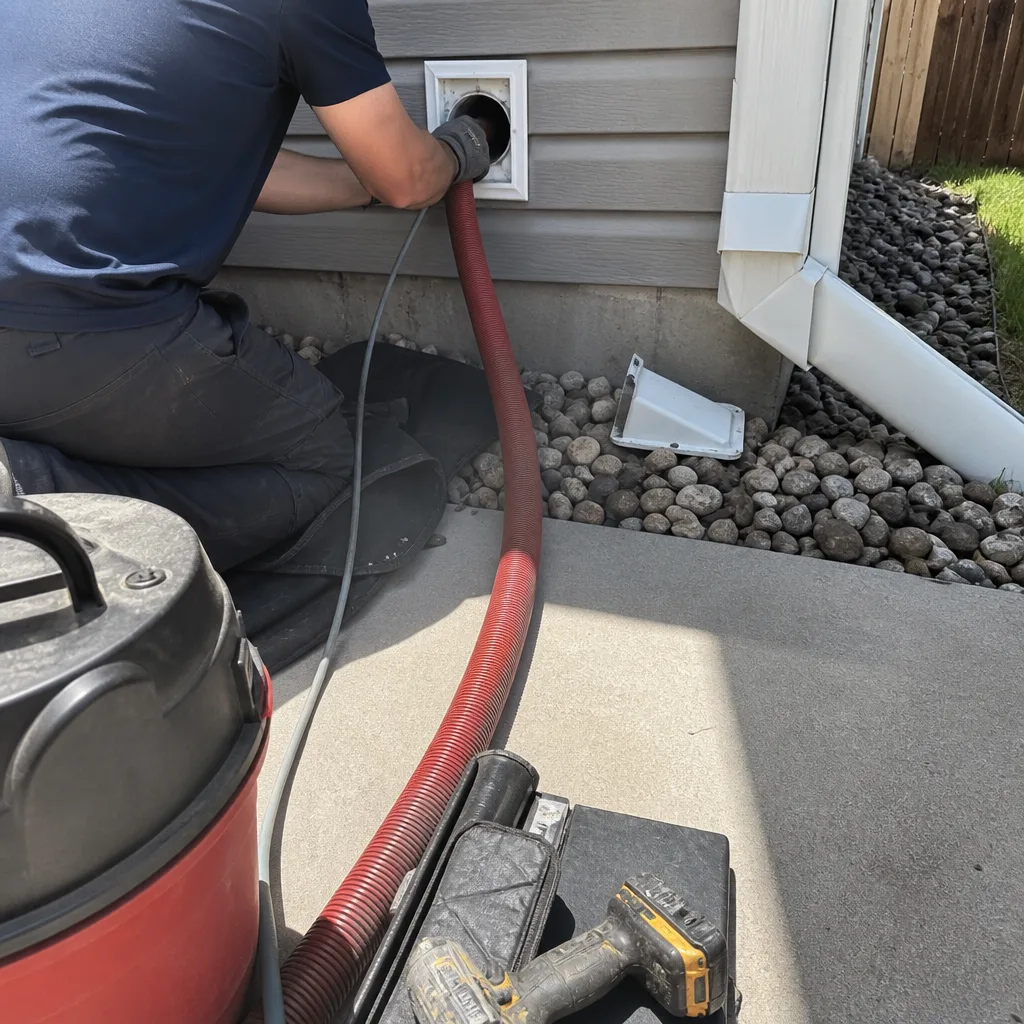 After
After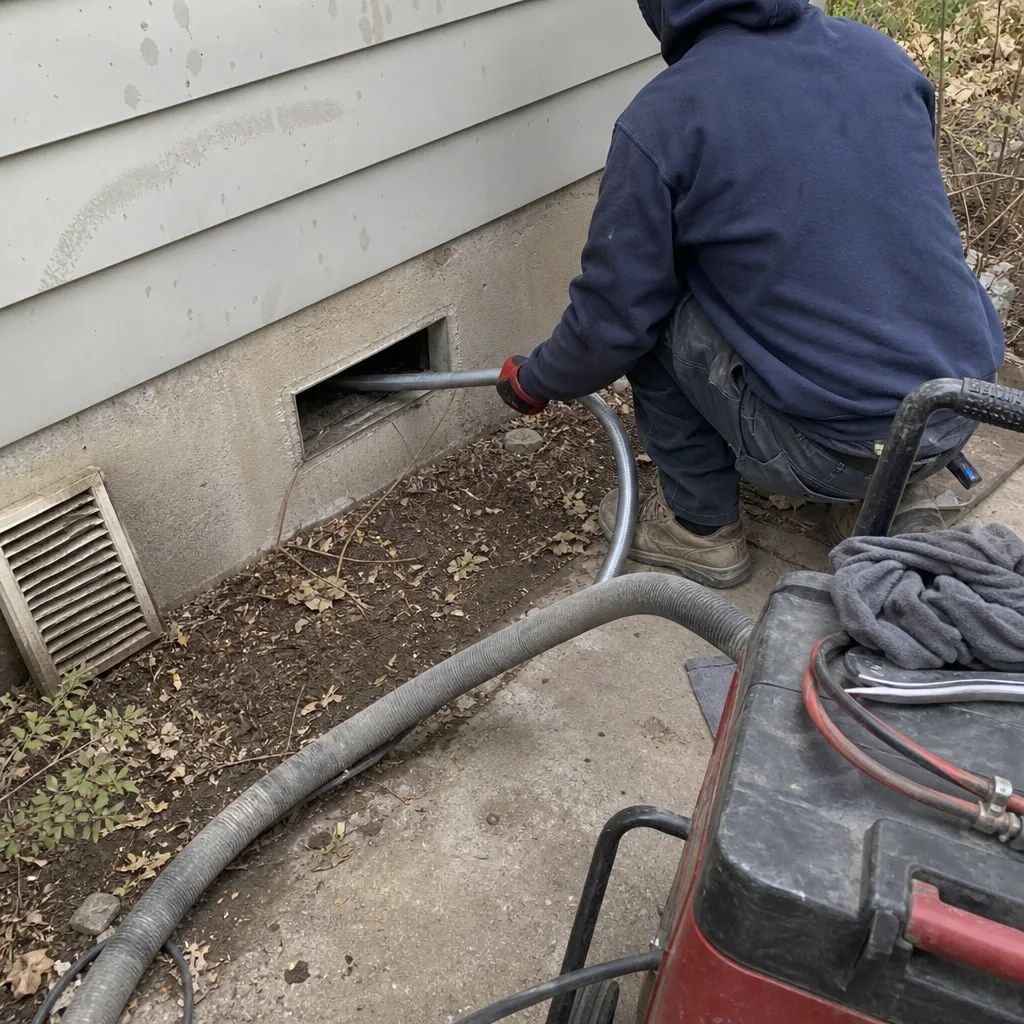 Before
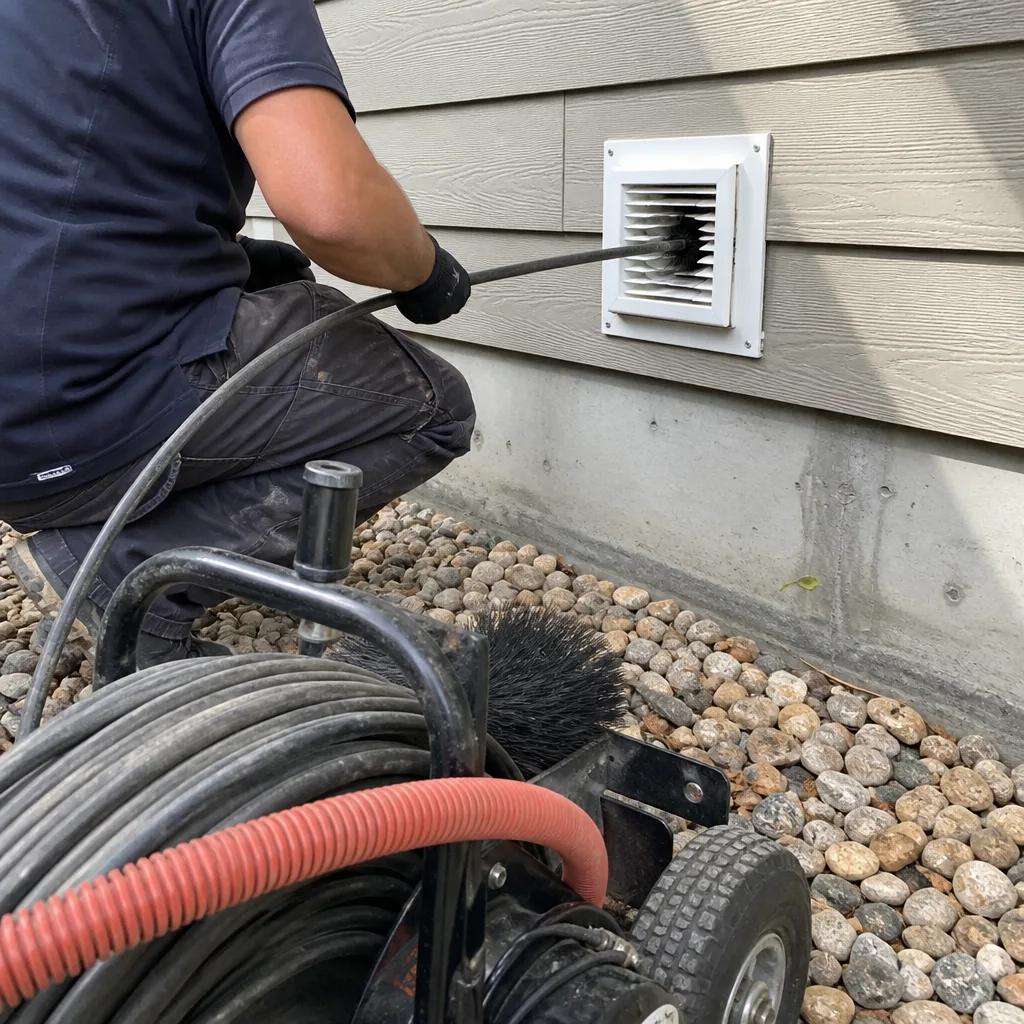 After
AfterHow Much Does Duct Repair & Sealing Cost in Aurora, CO?
Our Duct Repair & Sealing services in Aurora, CO typically cost between $350 and $1,200 for most single-family homes, with the majority of jobs landing in the $450-$850 range depending on the number of duct runs affected, access difficulty, and what the camera actually shows inside. Homes built before 1995 in areas like Tollgate, Seven Hills, and Meadowood often run toward the higher end because flex duct degrades faster in Colorado’s dry climate and the connections at the plenum – the central box that distributes conditioned air to every room – are frequently separated or undersized. CleanRun delivers a written price before any work starts, so you know the exact number before a single panel comes off.
Duct Repair & Sealing Cost Breakdown (2026)
The table below reflects real Aurora market pricing as of 2026. These are not national averages lifted from an aggregator. They reflect the homes we actually work in: ranch-style builds in Aurora Highlands, two-story colonials near Saddle Rock, and older split-levels closer to the Buckley corridor.
| Service | Typical Aurora Price Range | Notes |
|---|---|---|
| Mastic sealant application (per duct run) | $35-$75 per run | Brush-applied sealant at joints and seams; most homes need 8-18 runs treated |
| Aeroseal duct sealing (whole system) | $1,200-$2,500 | Pressurized polymer injected throughout system; best for inaccessible ductwork in finished basements |
| Flex duct section replacement (per section) | $120-$280 per section | Collapsed or kinked flex duct is a common find in Aurora attic runs; each section is typically 4-8 feet |
| Sheet metal duct repair (per location) | $150-$350 per location | Separated rigid duct at elbows or trunk lines; labor-intensive if in a crawl space |
| Plenum seal and reattachment | $200-$450 | Supply or return plenum pulling away from air handler; a frequent finding in Aurora homes after temperature cycling |
| Register boot sealing (per boot) | $25-$65 per boot | The metal box behind every floor or ceiling register; gaps here account for 10-20% of duct leakage in most homes |
| Full duct sealing + inspection package | $550-$1,100 | Camera inspection, written scope, mastic sealing on all accessible runs, documented photo record before and after |
| Partial duct replacement (heavily damaged sections) | $800-$2,000 | When repair is not cost-effective; typically flex duct systems over 20 years old |
What Pushes the Price Up
The single biggest cost driver in Aurora is attic access. A significant share of the homes we see in communities like Beacon Point and Tallyn’s Reach route flex duct through unconditioned attic space. Colorado’s freeze-thaw cycle – temperatures swinging from 65°F one afternoon to 12°F overnight in January – causes flex duct to contract and expand repeatedly, which eventually pulls connections loose at the collar. Reaching those runs means navigating attic joists, often in tight spaces, and that adds labor time regardless of who’s doing the work.
Homes with finished basements also run higher. When ductwork is above a drop ceiling or behind drywall, repairs require more access work before any sealing can happen. That’s why a job that quotes at $550 in a home with open basement ductwork might quote closer to $950 in a comparable-sized home where every trunk line is hidden behind finished surfaces.
What Keeps the Price Down
Open basement ductwork, newer rigid sheet metal systems, and homes where the leakage is concentrated at accessible register boots all trend toward the lower end of the ranges above. If your home has had a duct cleaning within the past three years and you’ve got a written scope from that visit showing which runs were photographed, that record also helps a repair technician get to the actual problem faster – less time troubleshooting, lower labor cost.
Combining a duct repair job with a Duct Repair & Sealing in Aurora inspection visit is usually more cost-effective than scheduling them separately, because the camera work, written scope, and mobilization cost are shared across both scopes of work.
What Affects Duct Repair & Sealing Pricing in Aurora
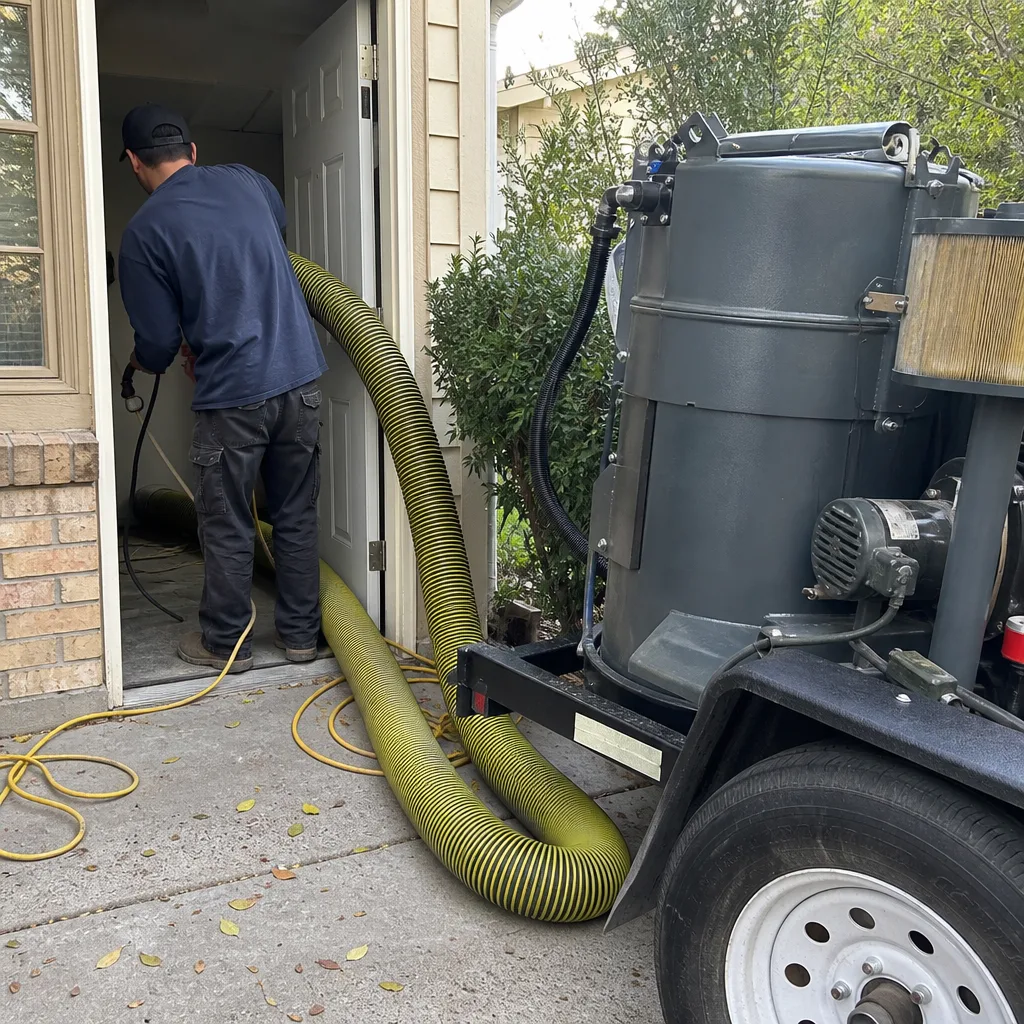
Six factors consistently move the number up or down on Aurora jobs. Understanding them before you call any contractor puts you in a better position to evaluate the quote you receive.
- Duct material and age: Flex duct installed before 2000 in Aurora homes degrades faster than modern foil-faced flex because the inner liner was thinner and the insulation less resilient. We regularly photograph 1-to-2-inch separations at collar connections in Seven Hills homes built in the late 1980s. Sheet metal holds up longer but develops leaks at unsealed joints that were never mastic-sealed during original installation – a common code gap in homes built before Aurora adopted tighter HVAC standards in the early 2000s.
- Number of duct runs and system size: A 1,400-square-foot ranch in Aurora’s older Meadowood neighborhood might have 10 supply runs and 4 returns. A 3,200-square-foot two-story near Tallyn’s Reach could have 22 supply runs and 6 returns. More runs mean more surface area to seal and more time with the camera – both move the price up linearly.
- Access difficulty: Attic ductwork in a home where the access hatch is a 24×24 pull-down in the hallway takes longer than basement ductwork you can walk to. Crawl spaces under homes in Aurora’s older Tollgate and Aurora Hills districts often require a technician to work prone on their back – that’s legitimate labor time, and any honest quote will reflect it.
- Colorado’s altitude and dry climate: At roughly 5,500 feet, Aurora sits in a climate zone where heating systems run harder and longer than they do at sea level. That means duct connections cycle through more thermal stress per winter than homes in lower-elevation markets. It also means duct tape – the consumer kind, not HVAC foil tape – fails faster here. We photograph duct tape repairs on existing ductwork in roughly 30% of Aurora homes we inspect, and those locations almost always need mastic replacement.
- Leakage severity and location: A camera showing a 3-inch gap at the first elbow off the plenum is a different job than finding 12 individual pinhole leaks distributed across 18 runs. The first is faster to fix. The second requires treating every run systematically and costs more in materials even if the labor hours are similar.
- Permit requirements: Most duct sealing and minor duct repair work in Aurora does not require a permit. Partial or full duct replacement that involves changes to the system layout, supply sizing, or equipment connections may require a mechanical permit through the City of Aurora. A contractor who doesn’t mention this when bidding replacement work is worth questioning.
BeforeAfterHow to Save on Duct Repair & Sealing in Aurora
Get a Written Scope Before Agreeing to Anything
The most effective way to avoid overpaying for duct work in Aurora is to require a written price and written scope before any technician touches anything. That’s not a negotiating tactic – it’s a basic protection. A scope that says “duct sealing – $649” without specifying the number of runs treated, the materials used, and the documentation you’ll receive at the end gives you nothing to compare or verify against. Under Haven Standard Clause 1, every CleanRun job starts with exactly that written price and scope, delivered before work begins. It’s not an option we offer – it’s how every job works.
Use Camera Evidence to Scope Accurately
Duct systems that are scoped by camera before a price is written tend to result in more accurate quotes – meaning you pay for what’s actually wrong, not for a technician’s best guess from the outside. Camera inspection adds a small upfront cost in some cases, but it consistently prevents the “we found more damage once we got in there” conversation that inflates final invoices. At CleanRun, the camera work and documented photo record are included in every job – that’s not an upsell, it’s the standard.
Bring a Competitor Quote for a Free Second Opinion
If you’ve already received a written estimate from another Aurora contractor, bring it. CleanRun offers a free second opinion on any written estimate – we put our own number next to theirs in writing so you can compare scope, materials, and price side by side. This is genuinely useful if you’ve received a quote that feels high or vague, because the comparison makes the differences visible. Call (720) 513-5159 to arrange it.
Address Duct Repairs Before Heating Season
In Aurora, the highest-demand window for HVAC-related services runs from mid-October through February, when heating systems are running daily and leaky ductwork translates directly into higher Xcel Energy bills. Scheduling duct repair in late August or September – before that demand peak – typically means faster scheduling and no premium for urgency. The work is identical; the calendar gives you more options.
Don’t Patch What Should Be Replaced
Repair-versus-replace is worth thinking through carefully on flex duct systems over 20 years old. Sealing 15 runs of deteriorating 1980s flex duct with mastic might cost $600-$900 and extend the system’s life by 3-5 years. A full flex duct replacement on the same system might cost $1,800-$2,800 but last 20 more years. A written scope with camera documentation of the duct condition gives you the actual information needed to make that call. Technicians who push repair on a system that’s genuinely at end of life aren’t doing you a favor, and neither are those who push replacement when targeted sealing would solve the problem for years.
For a free estimate with a written price delivered before any work starts, call (720) 513-5159.
FAQs – Duct Repair & Sealing Cost in Aurora
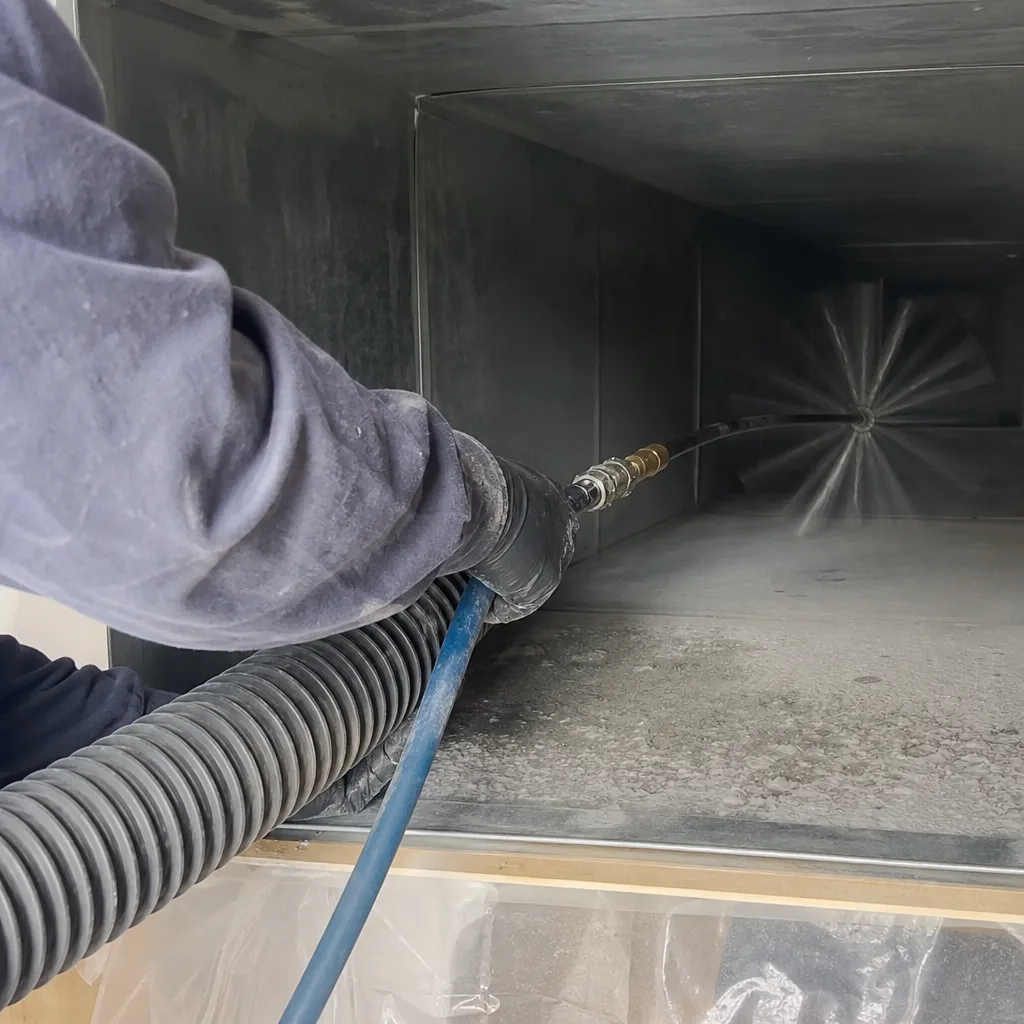
How much does duct sealing cost in Aurora, CO?
Duct sealing in Aurora costs $350-$1,100 for most single-family homes, depending on system size, duct material, and access difficulty. A targeted mastic sealing job on a 1,600-square-foot home with an open basement and 12 accessible supply runs typically lands in the $420-$650 range. Aeroseal – a pressurized polymer process used when ductwork is largely inaccessible – runs $1,200-$2,500 for a whole-system treatment. Call (720) 513-5159 for a written estimate specific to your home’s configuration.
Is duct sealing worth the cost in Colorado’s climate?
For most Aurora homes, yes – particularly those with flex duct systems older than 15 years or with visible signs of separation at register boots and plenum connections. The U.S. Department of Energy estimates that leaky duct systems waste 20-30% of conditioned air before it reaches the living space. In Aurora, where heating costs are significant from November through March, that leakage translates into a measurable monthly utility loss. A duct sealing job in the $500-$800 range frequently pays back its cost within two to three heating seasons. A written scope with before-and-after documentation gives you a record to verify the work actually happened the way it was quoted.
How long does duct sealing take in a typical Aurora home?
A mastic sealing job on a 1,500-2,500-square-foot Aurora home with accessible ductwork typically takes 3-6 hours, including camera inspection, scope documentation, sealing, and the after-photo record. Larger homes with attic runs or finished basement ceilings can run 6-8 hours. Aeroseal is a separate process that typically takes 4-6 hours for the treatment alone, plus prep time. Every CleanRun visit concludes with a documented photo record of every duct run – that step adds time but it’s also what separates documented work from vacuum noise.
Can I seal my own ducts in Aurora?
Consumer-grade duct tape – including the silver cloth variety sold at hardware stores – fails in conditioned duct systems within 2-5 years, and faster at Aurora’s elevation where temperature cycling is more extreme. Mastic sealant is available to consumers and performs better, but applying it accurately to every leaking seam in a duct system requires camera access to confirm which joints are actually failing and how severely. Without that documentation, you’re sealing based on guesswork. The bigger risk in attempting DIY duct repair is missing the actual source of the leak while sealing areas that weren’t the problem. A camera inspection before any sealing – professional or DIY – is the only way to scope the job accurately.
How do I know if my Aurora home’s ducts need repair or just cleaning?
They’re different problems with different symptoms, though they sometimes appear together. Duct leakage – the primary reason for duct repair – shows up as uneven room temperatures, a home that heats or cools slowly relative to what your thermostat says, or noticeably higher utility bills without a change in usage patterns. In Aurora homes with upstairs bedrooms and attic duct runs, a second-floor that’s always 4-6 degrees warmer than the main level in summer is a common sign of leaking or collapsed flex duct in the attic. Duct cleaning addresses debris, dust, and biological buildup inside the system – a different scope entirely. A camera inspection distinguishes between the two in about 45 minutes and gives you a documented record of what’s actually inside the system. Call (720) 513-5159 for a free estimate – you’ll have a written price and a scope in hand before any work starts.
Key Takeaways
- Duct repair and sealing in Aurora costs $350-$1,200 for most homes, with the majority of jobs in the $450-$850 range.
- The biggest cost drivers are attic access, flex duct age, and how many runs are affected – not arbitrary markup.
- Colorado’s altitude and freeze-thaw cycle accelerate duct wear; Aurora homes built before 2000 should have ductwork camera-inspected before assuming a cleaning is sufficient.
- Aeroseal is the appropriate solution for inaccessible ductwork; mastic sealing covers most accessible systems at lower cost.
- A written price and written scope before work starts – and a documented photo record when the crew leaves – are the minimum evidence standard for any duct work in your home.
- CleanRun offers a free second opinion on any written estimate. Bring a competitor’s quote and we put our number next to it in writing.
Ready for a Written Price on Your Aurora Home?
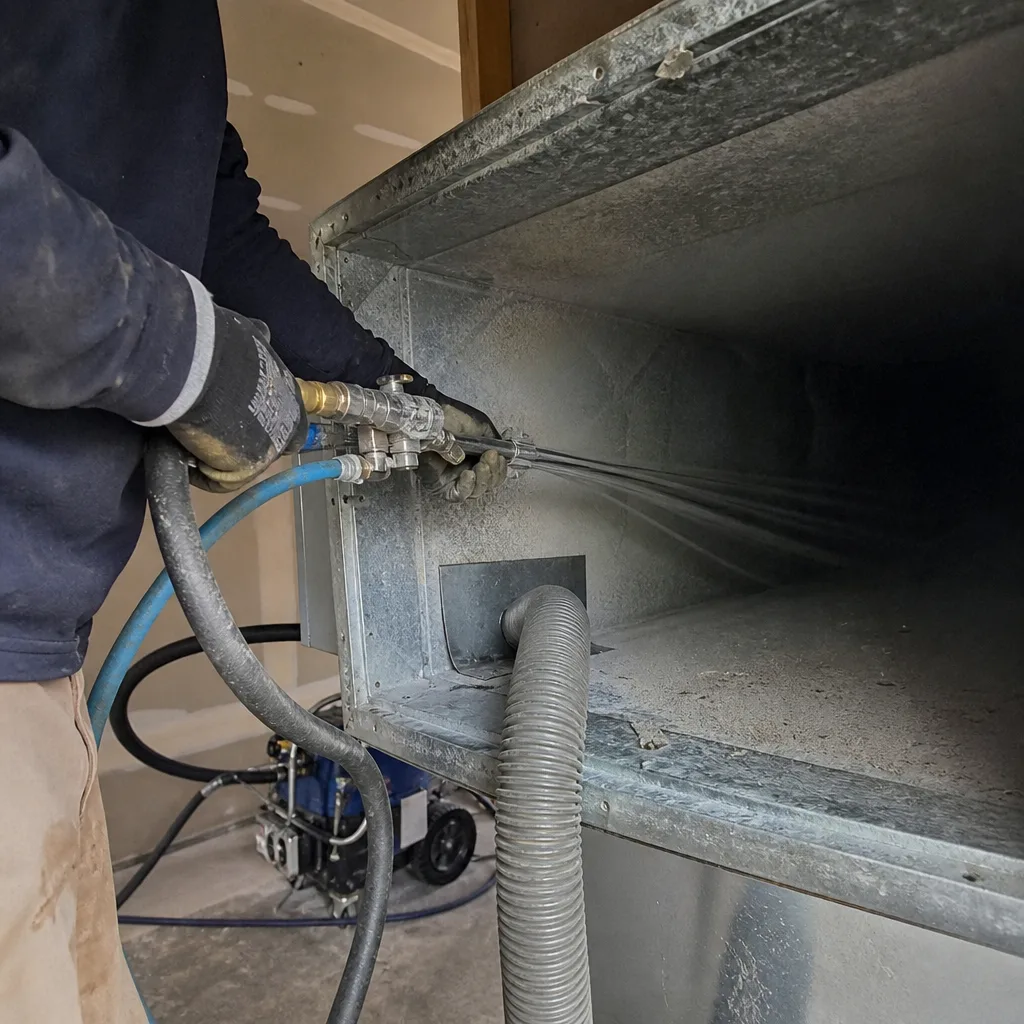
CleanRun Air Duct Cleaning Aurora has worked inside ductwork across Aurora since 2013 – from older flex duct systems in Meadowood to rigid sheet metal in Beacon Point and everything in between. Every job Tomas Reyes and his team perform starts with a written price under Haven Standard Clause 1 and ends with a documented photo record of every duct run. There’s no “call for a quote” here – the price is written before anyone picks up a tool.
If you’ve already received a competitor’s estimate, CleanRun will give you a free second opinion at no cost – our number next to theirs, in writing, so you can compare apples to apples. For Aurora homeowners who want to know what’s actually inside their duct system before agreeing to any work, that’s where the conversation starts.
From our home base in the Aurora area, we serve homeowners who expect documented results, not just a clean truck in the driveway. Call (720) 513-5159 – a live person answers every call – and have your written estimate in hand before the end of the day.
Pricing reflects the Aurora, CO market as of 2026. Written by Tomas Reyes, Owner at CleanRun Air Duct Cleaning Aurora, serving Aurora since 2013.
What Our Customers Say
"Flat price agreed up front, no per-vent add-ons at the end. That was the whole reason I did not call the coupon company."
- Suzanne B."On time, professional, and explained what the readings meant without talking down to me."
- Warren E."The before and after photographs of each run are the reason I used them. You cannot argue with what came out of the return."
- Marguerite O.