
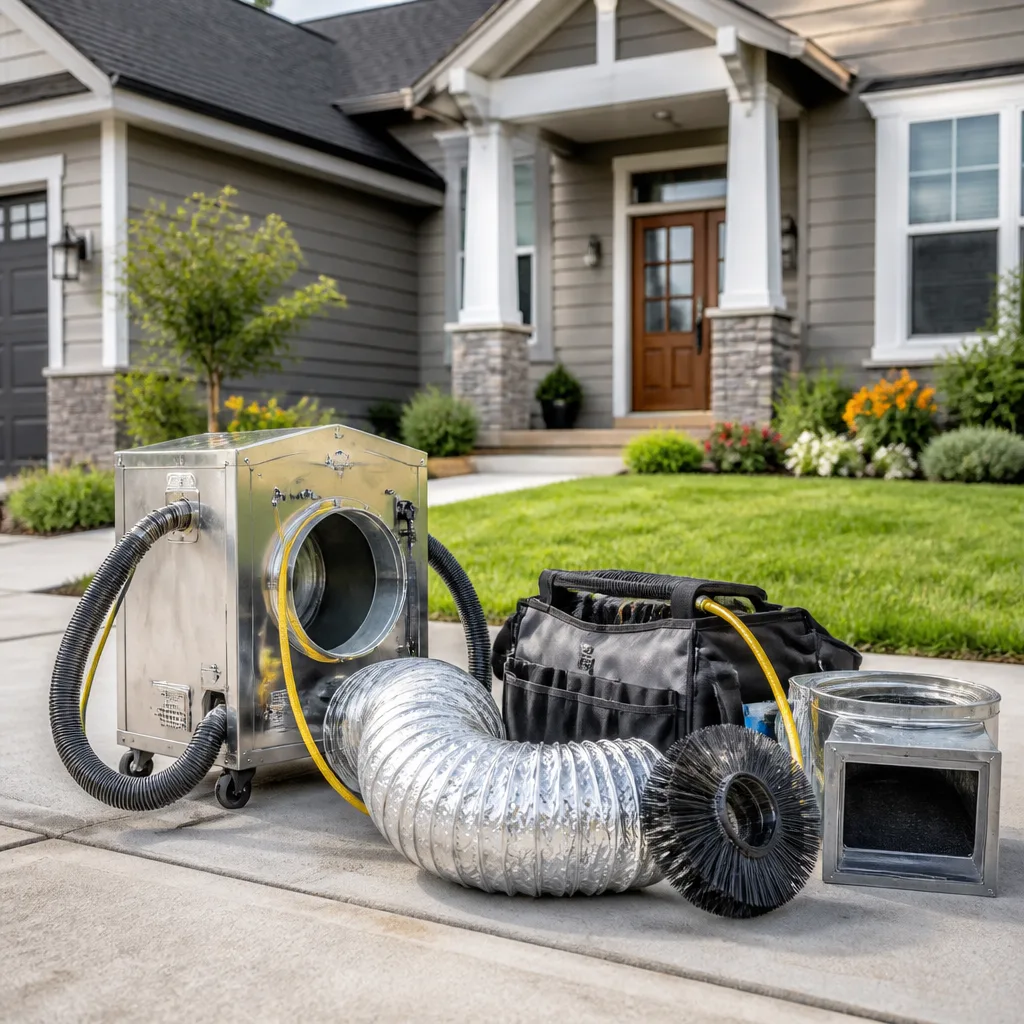
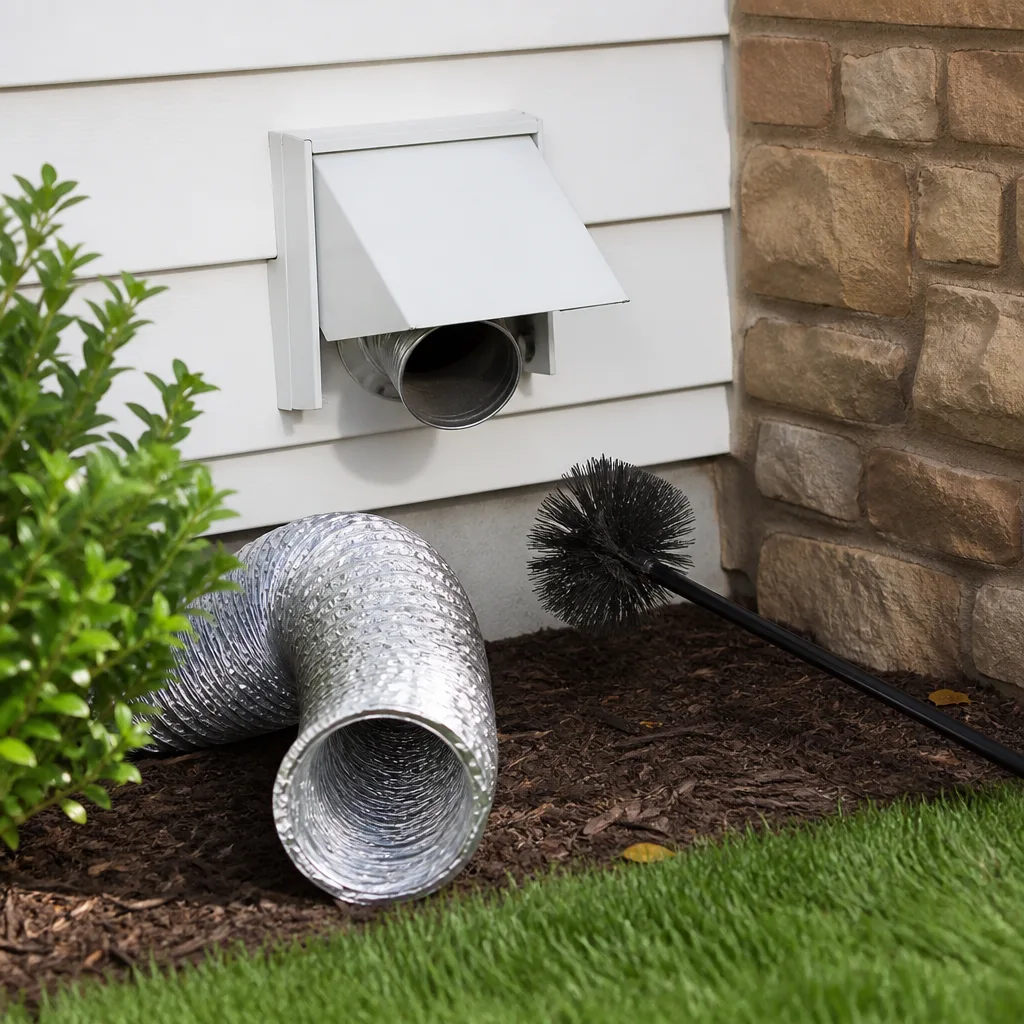
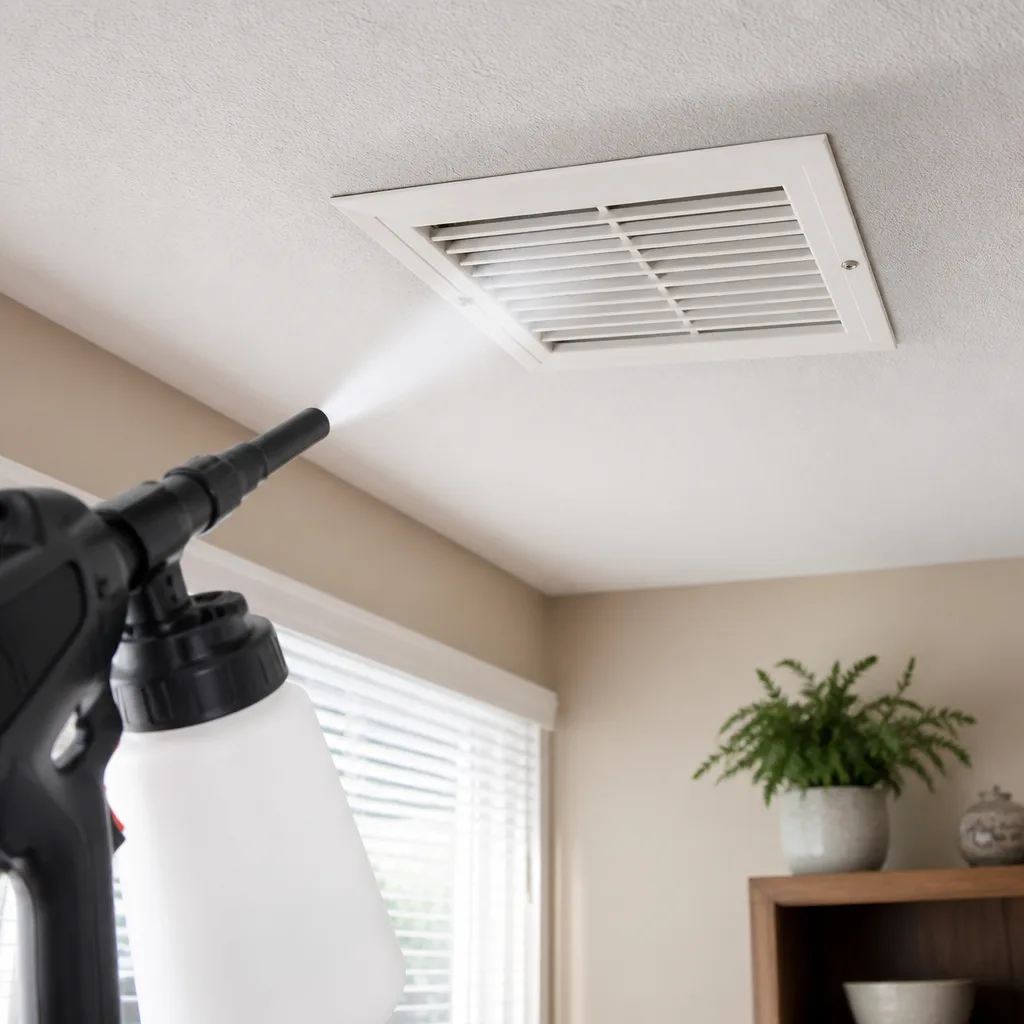
Whole-system duct and dryer vent check with before-and-after photos - you see exactly what came out of your vents
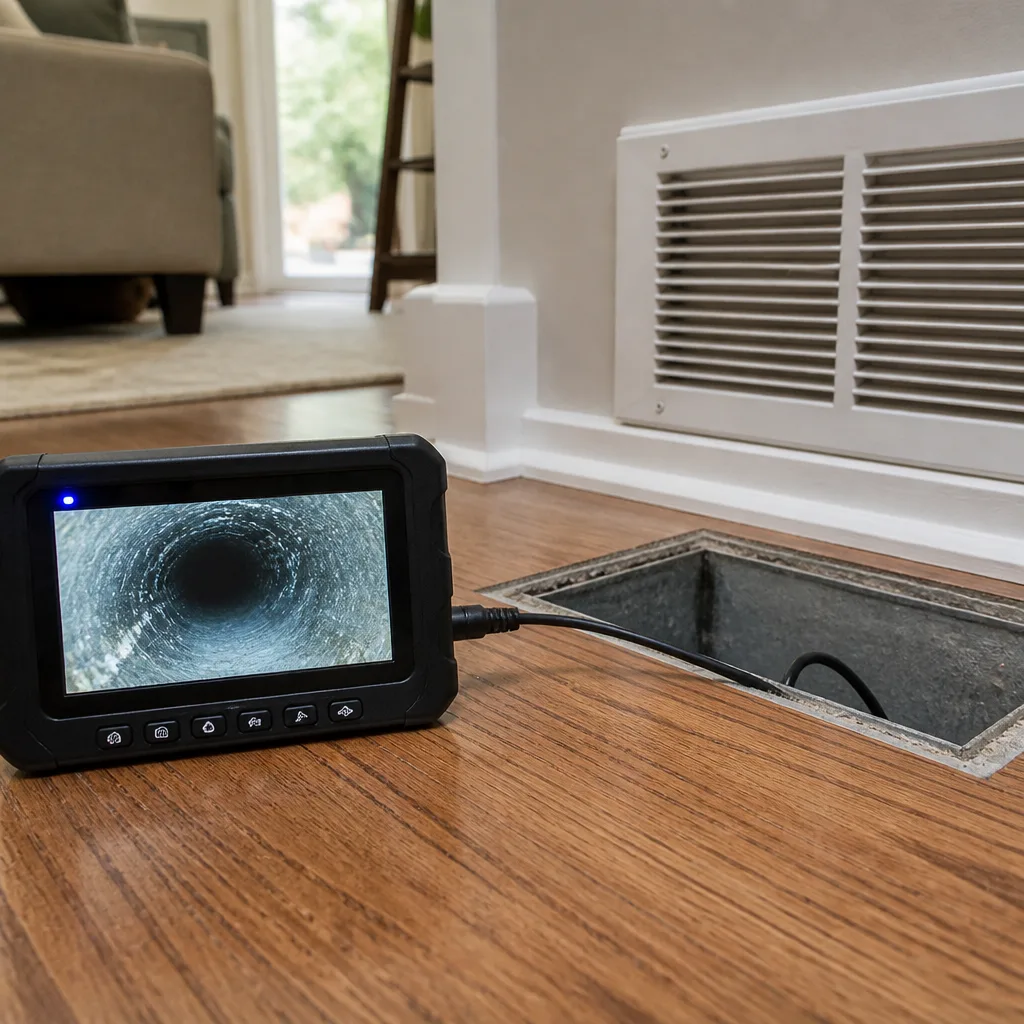
That "$99 whole-house special" is a bait ad - the real number appears once they are in your hallway, or the "clean" is a shop-vac at the register. We photograph the inside of your ducts before and after instead.
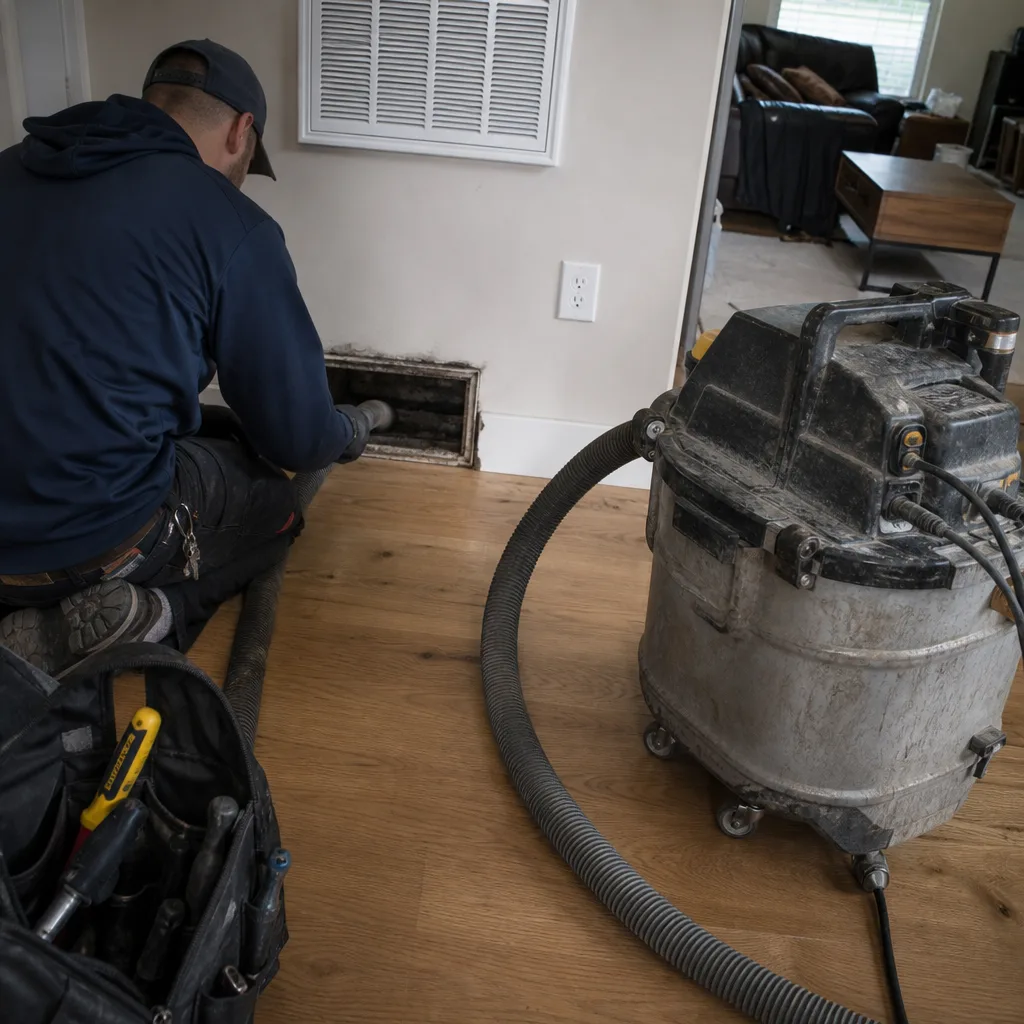 Before
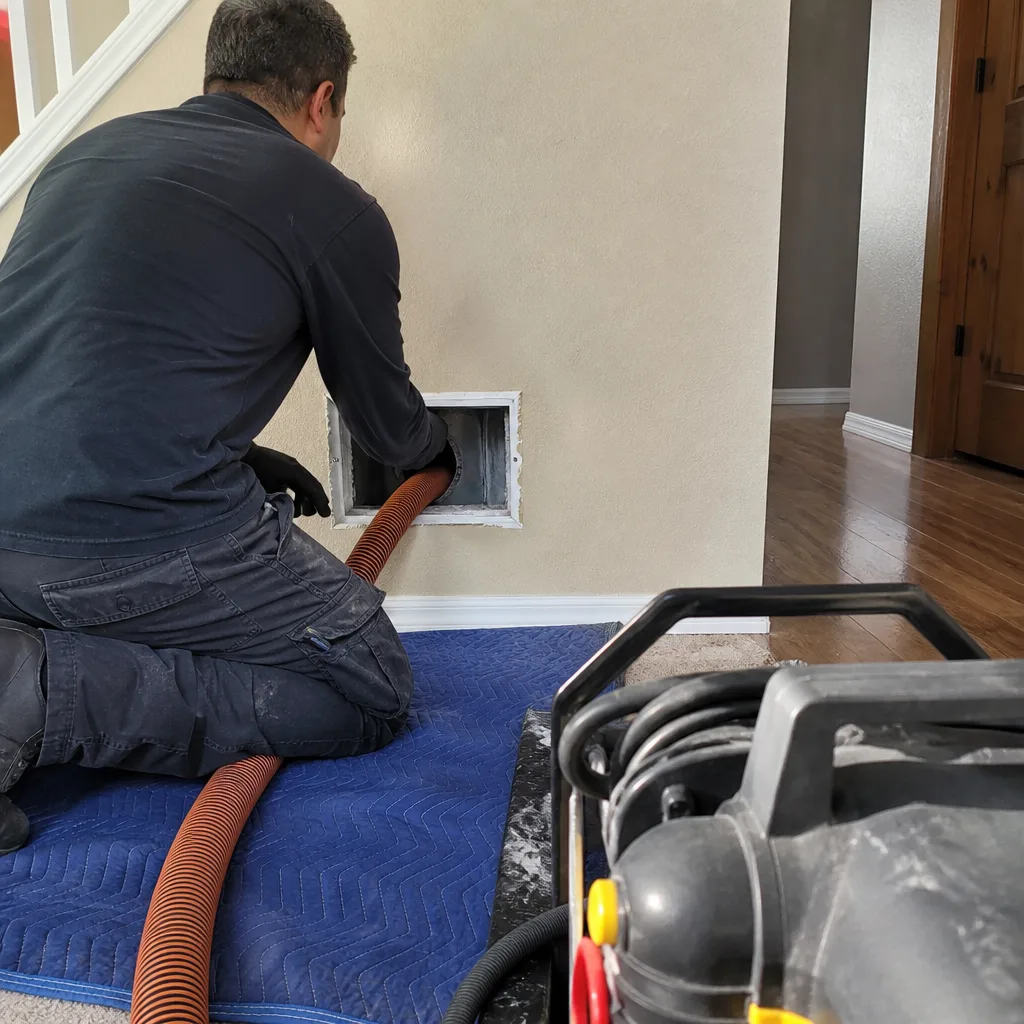 After
After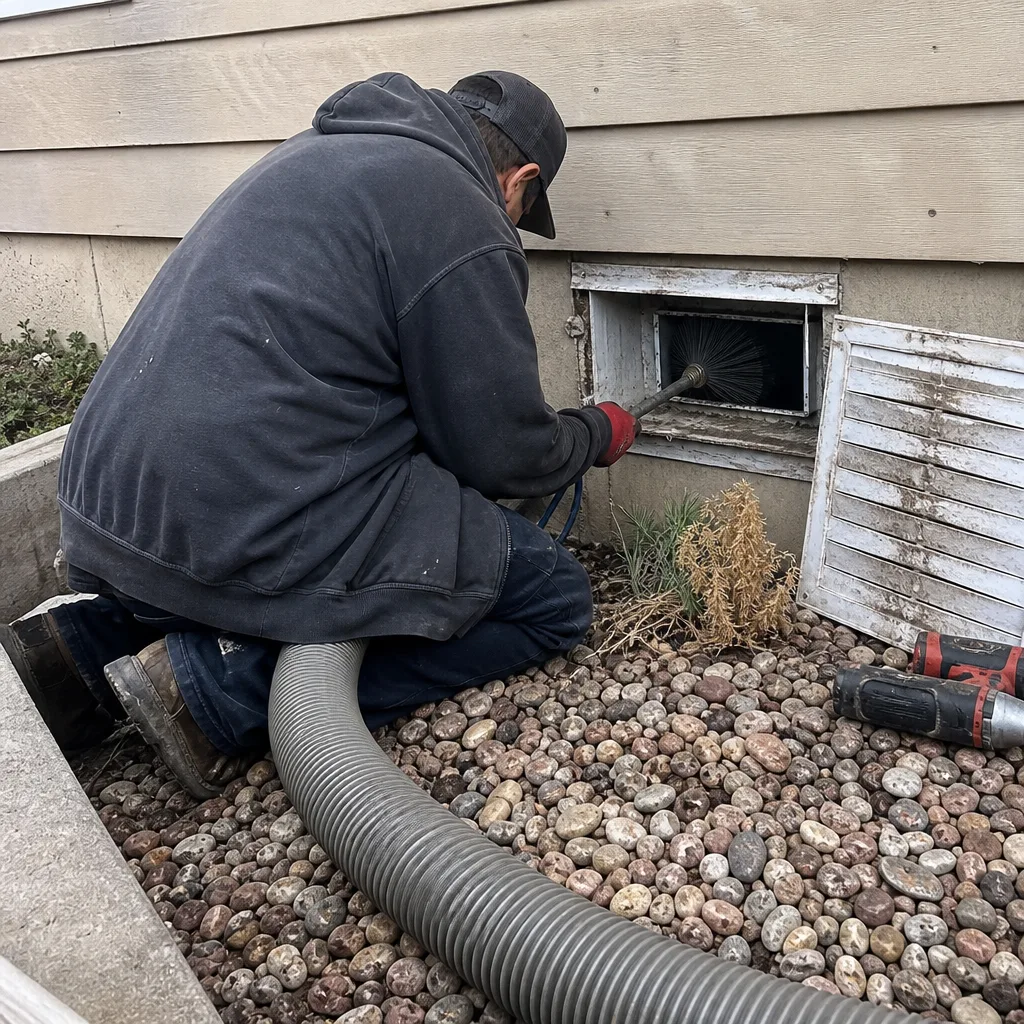 Before
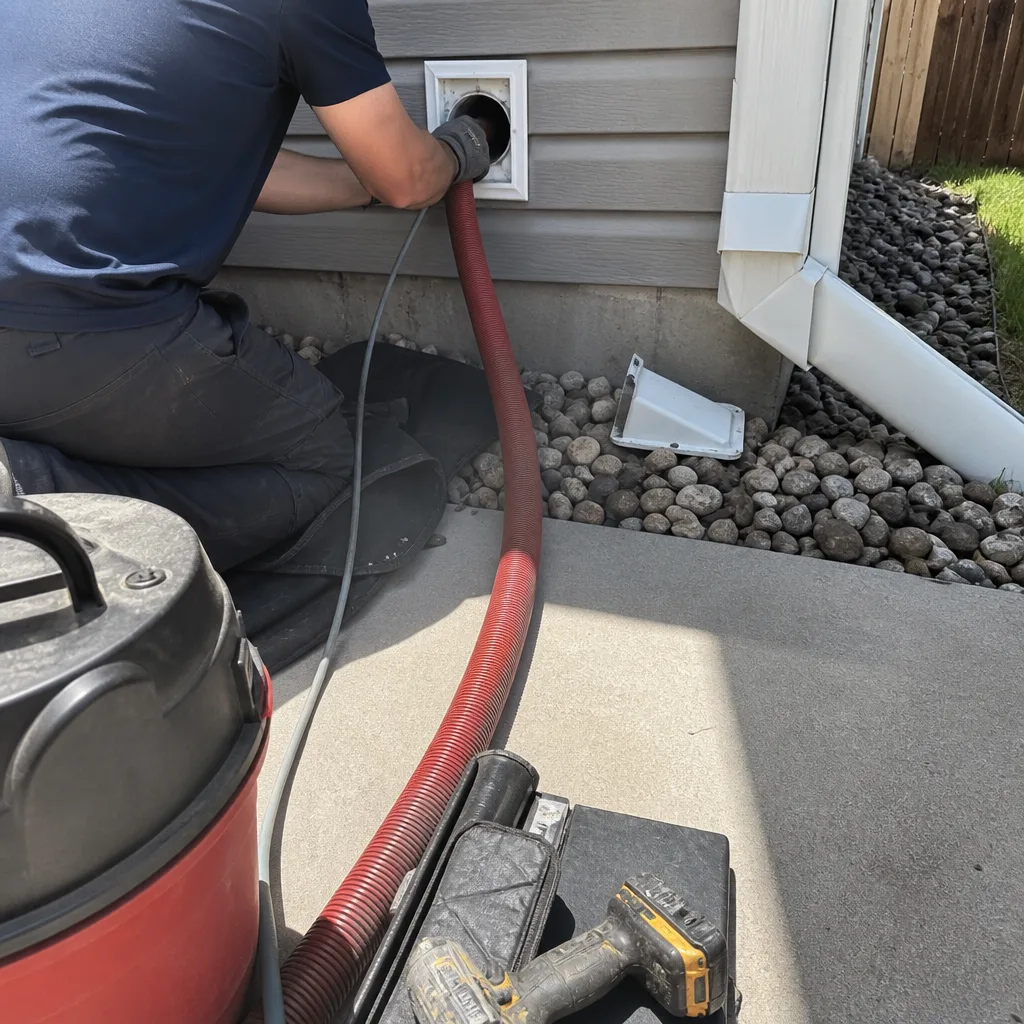 After
After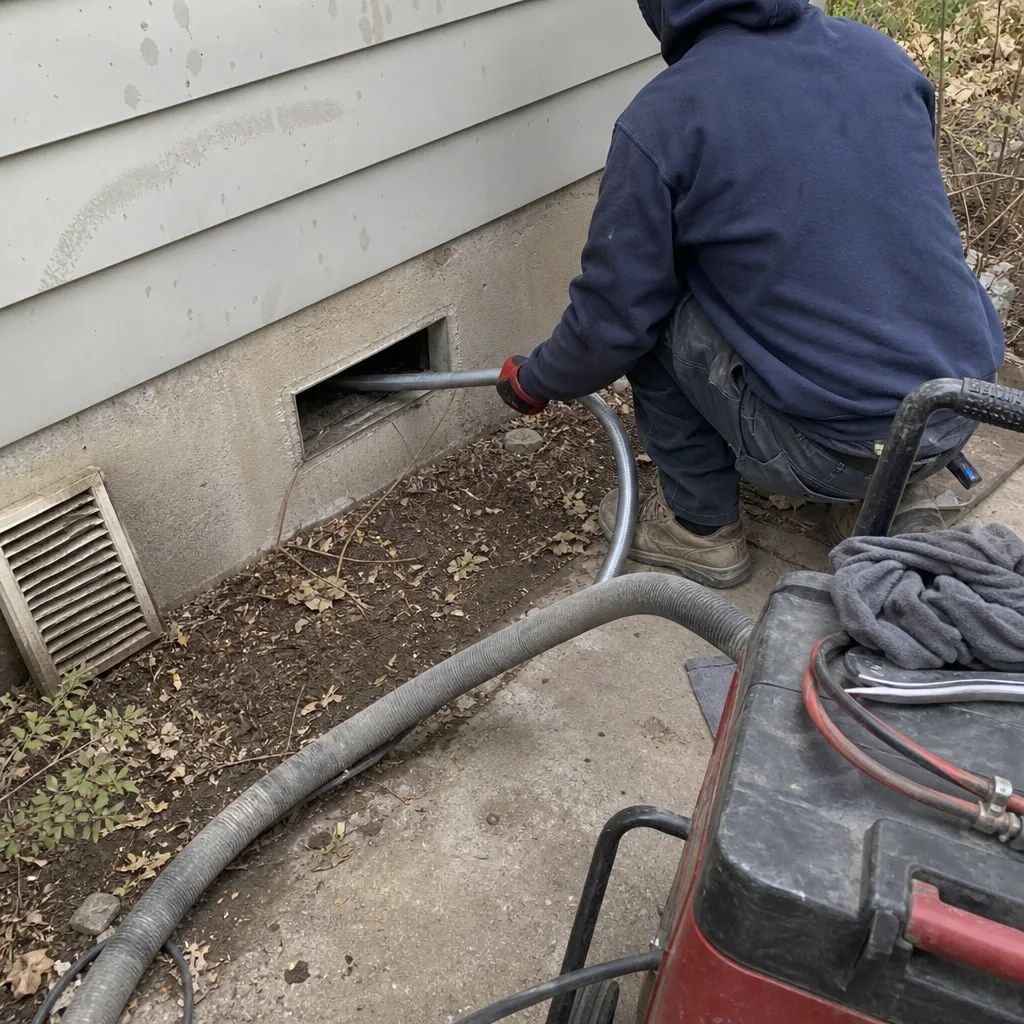 Before
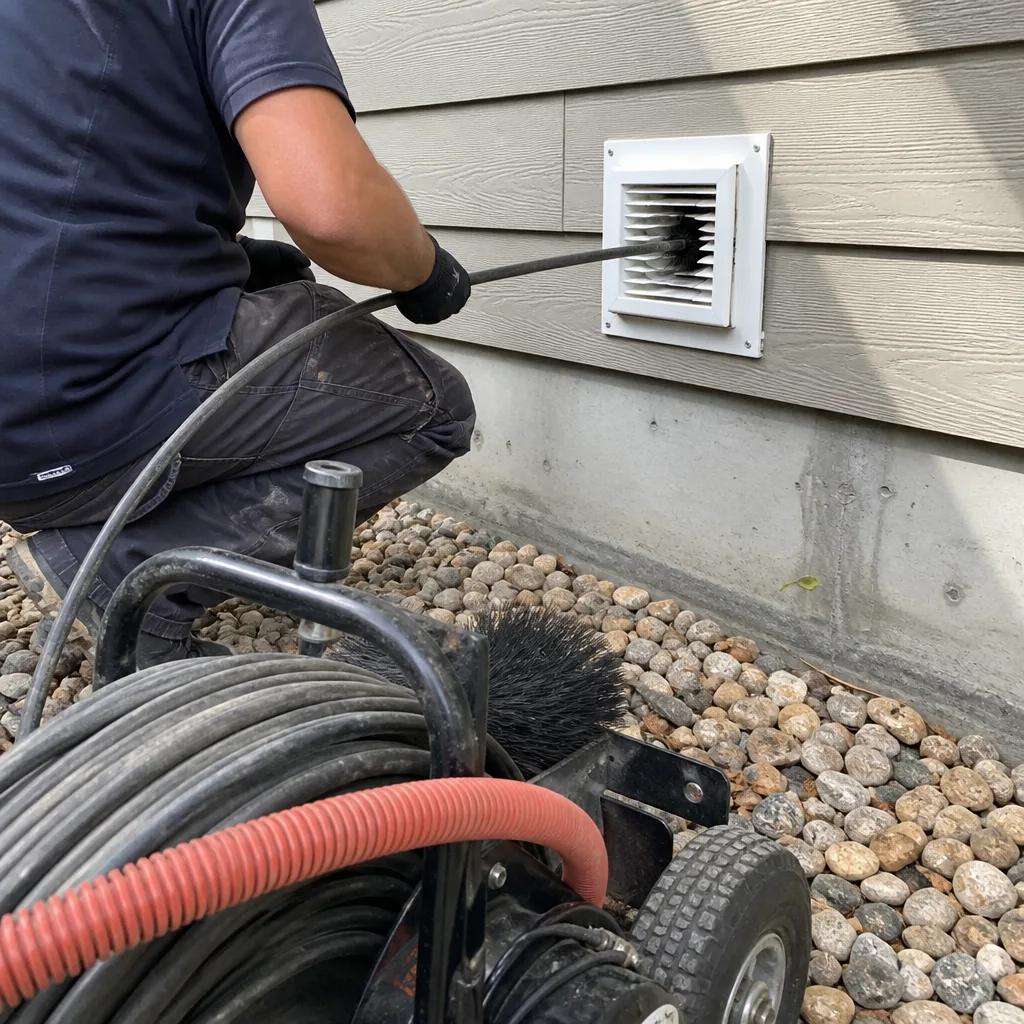 After
AfterRotobrush Duct Sealing & Repair: The Aurora Owner’s Guide
Rotobrush-compatible duct sealing and repair in Aurora typically runs $340-$680 for a full system, depending on linear footage and whether we’re sealing accessible trunk lines or chasing leaks behind finished basement ceilings. We stock Rotobrush sealant cartridges, flex-duct repair sleeves, and negative-pressure test equipment on every truck, and we can usually inspect and quote same-day. Most Aurora homeowners find us after noticing uneven heating between rooms, seeing their energy bill spike during our dry winter months, or catching that telltale dust puff from a register when the blower kicks on.
Which Rotobrush Models This Applies To
Rotobrush builds two main equipment lines that handle duct sealing and repair work: the portable DR series (DR-1750, DR-2700, DR-3500) used primarily for residential trunk-line sealing, and the larger BM series (BM-1500, BM-2300) found in commercial and multi-zone setups. The DR-2700 is the most common machine we encounter in Aurora homes built between 2015 and 2020, especially in the newer developments south of E-470 where builders spec’d Rotobrush during original construction.
To identify your unit, check the metal data plate on the blower housing, not the cart frame - the frame gets swapped between jobs. The plate lists the serial prefix (DR or BM), manufacture date, and rated static pressure. This last number matters: DR units run 0.5-1.2 inches water column, while BM units start at 1.5. Using a DR-rated sealant cartridge in a BM machine voids the workmanship warranty because the sealant won’t atomize correctly under higher pressure.
We carry OEM Rotobrush sealant (part RBS-44 for DR series, RBS-67 for BM) and a quality aftermarket equivalent from Nikro that meets the same ASTM E84 smoke-and-flame spec. The aftermarket runs about 15% less on material cost, which we pass through directly. CleanRun Air Duct Cleaning Aurora is an independent service provider - not affiliated with Rotobrush - so we have no incentive to push OEM over what actually performs.
Signs Your Rotobrush Duct Sealing & Repair Is Failing
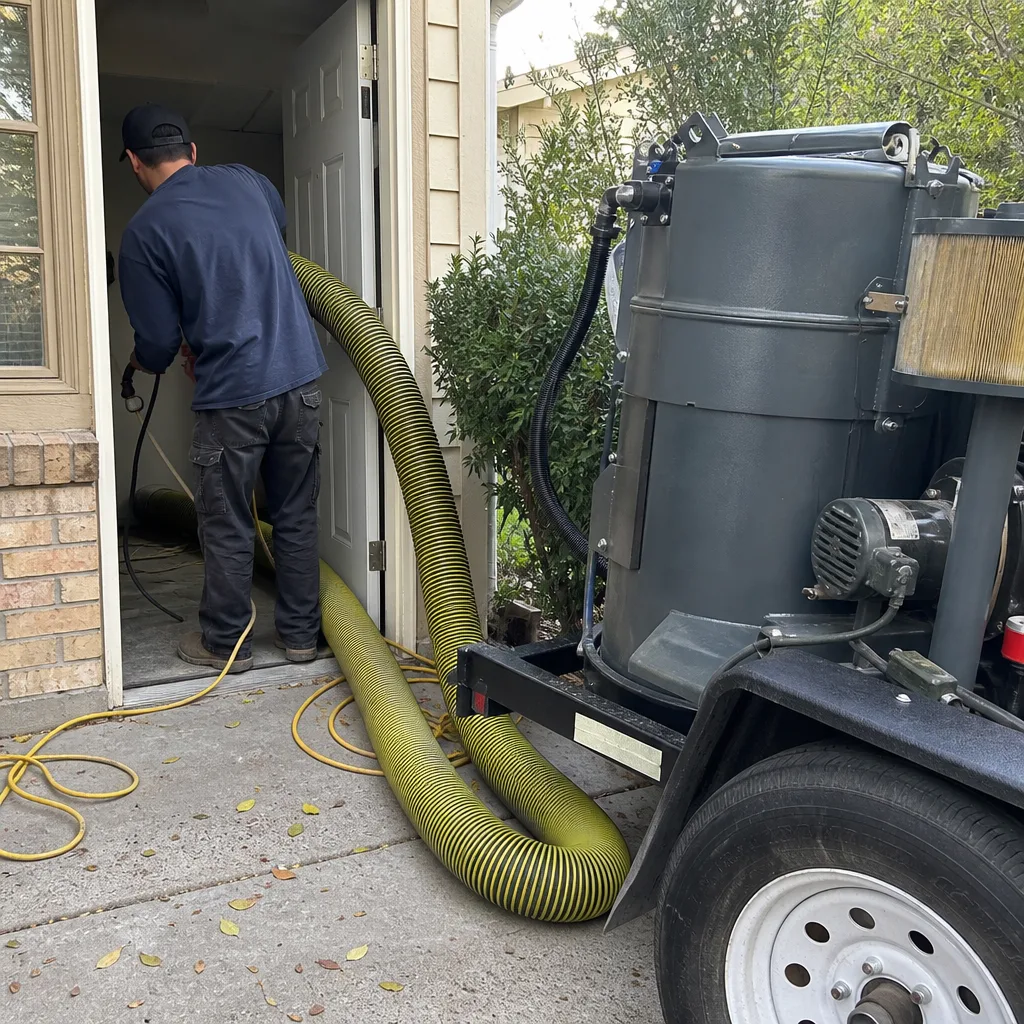
- Uneven room temperatures with no damper adjustment. When sealant degrades in Aurora’s temperature swings - 90°F summer attic heat to below-zero winter nights - conditioned air escapes into wall cavities before reaching the register. The thermostat satisfies in the room nearest the air handler while distant rooms lag five to ten degrees behind.
- Dust plume on blower startup. A visible puff from the register means unfiltered return air is pulling attic or crawl-space debris through a leak in the return trunk. The camera usually shows a gap at a longitudinal seam or a failed flex-duct connection where the original sealant has cracked from thermal cycling.
- Energy bills climbing without rate changes. Xcel Energy data for Aurora shows duct leakage can add 20-30% to heating and cooling loads. We measure this with a Duct Blaster: a system leaking 20% or more at 25 Pascals pressure almost always has failed sealant at takeoff boots or plenum connections.
- Musty or chemical odor when HVAC runs. Leaks in the return side draw in garage fumes, radon from crawl spaces, or attic insulation particulate. In Aurora’s clay-heavy soils, we also see crawl-space moisture pulled into ducts through failed sealant, creating the conditions for microbial growth on the duct liner.
- Whistling or rushing air at register edges. This isn’t normal airflow. It indicates high static pressure from a restriction or, more commonly, a major leak upstream that’s forcing the blower to overwork. The sound localizes near the leak point about half the time, which helps us target our inspection.
BeforeAfterReplacement Cost & What’s Included
Here’s how we price Rotobrush duct sealing and repair in Aurora, in writing before any work starts, per Haven Standard Clause 1:
| Scope | Typical Range | What’s Included |
|---|---|---|
| Single trunk-line seal (accessible attic or basement) | $340-$480 | Leak detection, surface prep, Rotobrush sealant application, Duct Blaster verification, photo record |
| Multi-zone residential system (full trunk and branch sealing) | $520-$680 | Complete system test, all accessible leaks sealed, before/after pressure test, documented photo record of every run |
| Flex-duct repair or replacement section | $180-$320 per run | New insulated flex, mechanical fastening, sealant at both ends, support strap adjustment |
The range depends on three factors: linear footage of ductwork, accessibility (finished ceilings add time), and whether we’re sealing from inside with the Rotobrush system or accessing from outside. We don’t quote per-vent or per-foot. One flat price per system, agreed in writing, with the 365-Day Done Right Promise backing the work. If the pressure test doesn’t show improvement, we don’t invoice.
DIY or Call Us?
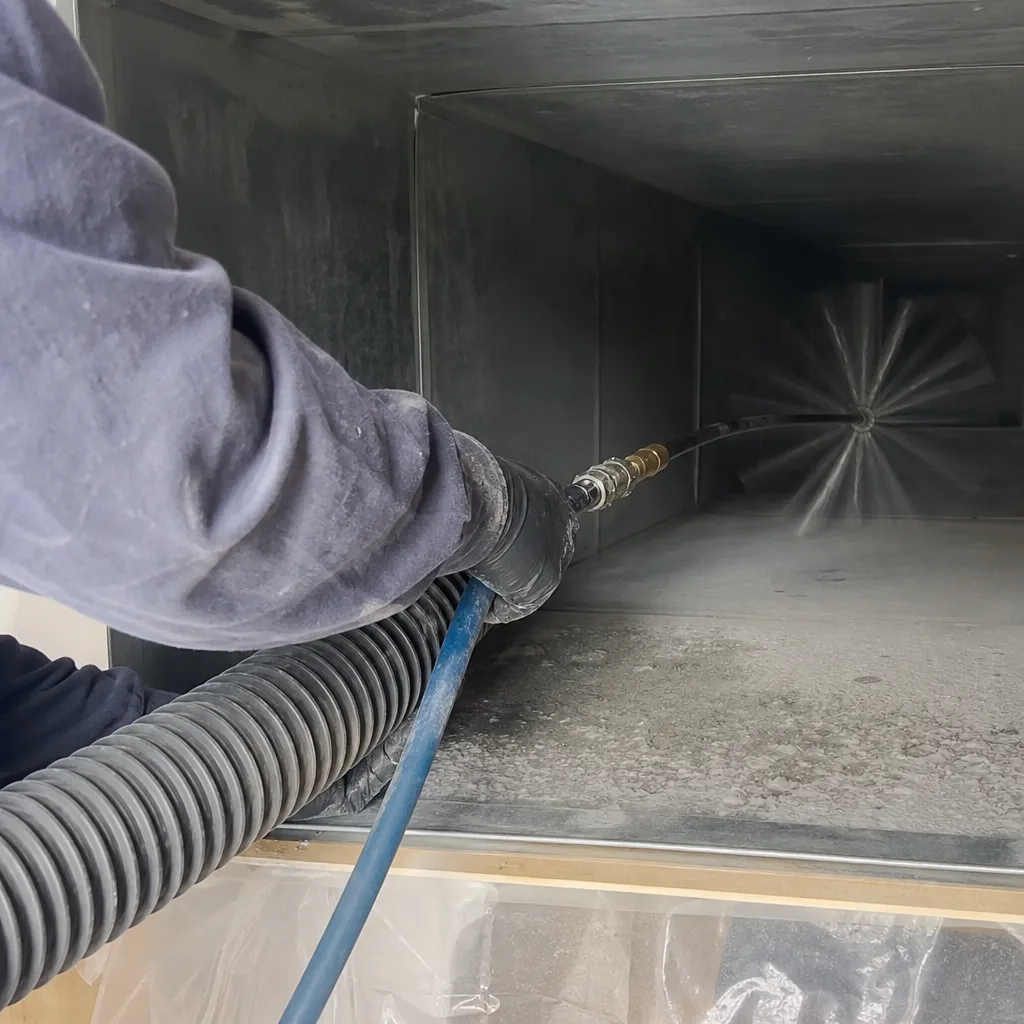
There’s a short list of things an Aurora homeowner can safely check before calling. Verify that all registers are open and unobstructed. Listen for obvious whistling while the blower runs. Check your filter - a clogged filter raises static pressure and can mimic leak symptoms.
Everything past that point involves working inside the duct system, which means disturbing fiberglass liner, handling sealant chemicals requiring respirator-rated ventilation, and in some older Aurora homes, encountering asbestos-containing duct tape or vermiculite insulation. We don’t recommend DIY sealant application: improper coverage traps moisture against the duct metal, and in our climate, that freeze-thaw cycle splits seams wider within two seasons. We also find homeowner repairs with hardware-store foil tape that delaminates in attic heat, leaving a sticky residue that complicates proper re-sealing.
Our crew carries Rotobrush sealant rated for the temperature range, negative-pressure extraction to control particulate, and the Duct Blaster to prove the fix worked. Call (720) 513-5159 and we’ll show you the photo first, then we talk about what comes next.
FAQs
Properly applied sealant lasts 15-20 years, but we’ve found it fails faster - sometimes 8-12 years - in attic installations where summer roof deck temperatures exceed 140°F and winter nights drop below 10°F. That thermal cycling is harder on sealant than steady basement conditions. The only way to know your system’s status is a pressure test, which we include in every inspection.
Localized patching works if the failure is isolated to one or two takeoff boots or a single seam. We pressure-test after each patch to confirm. If the system shows multiple failure points or the original sealant is brittle throughout, partial patching becomes a game of whack-a-mole. In those cases, we quote full re-sealing because it’s the only approach that holds up under warranty.
A typical Aurora ranch or two-story home runs four to six hours from arrival to final pressure test. Larger homes in the Tallyn’s Reach area or anything with finished basement ceilings that need access panels can stretch to a full day. We don’t rush the cure time - sealant needs 24 hours to fully set before we call the job documented and complete.
Yes. Every CleanRun truck carries DR-series and BM-series sealant cartridges, flex-duct repair stock in 6-inch and 8-inch diameters, and the Duct Blaster testing equipment. If your system uses an unusual configuration - we’ve seen custom plenums in some of the 2019-2021 builds near Southlands - we can source parts within 24 hours without charging a return trip.
Written by Tomas Reyes, Owner & Lead Technician, CleanRun Air Duct Cleaning Aurora at CleanRun Air Duct Cleaning Aurora, serving Aurora and nearby areas.