
Whole-system duct and dryer vent check with before-and-after photos - you see exactly what came out of your vents
That "$99 whole-house special" is a bait ad - the real number appears once they are in your hallway, or the "clean" is a shop-vac at the register. We photograph the inside of your ducts before and after instead.
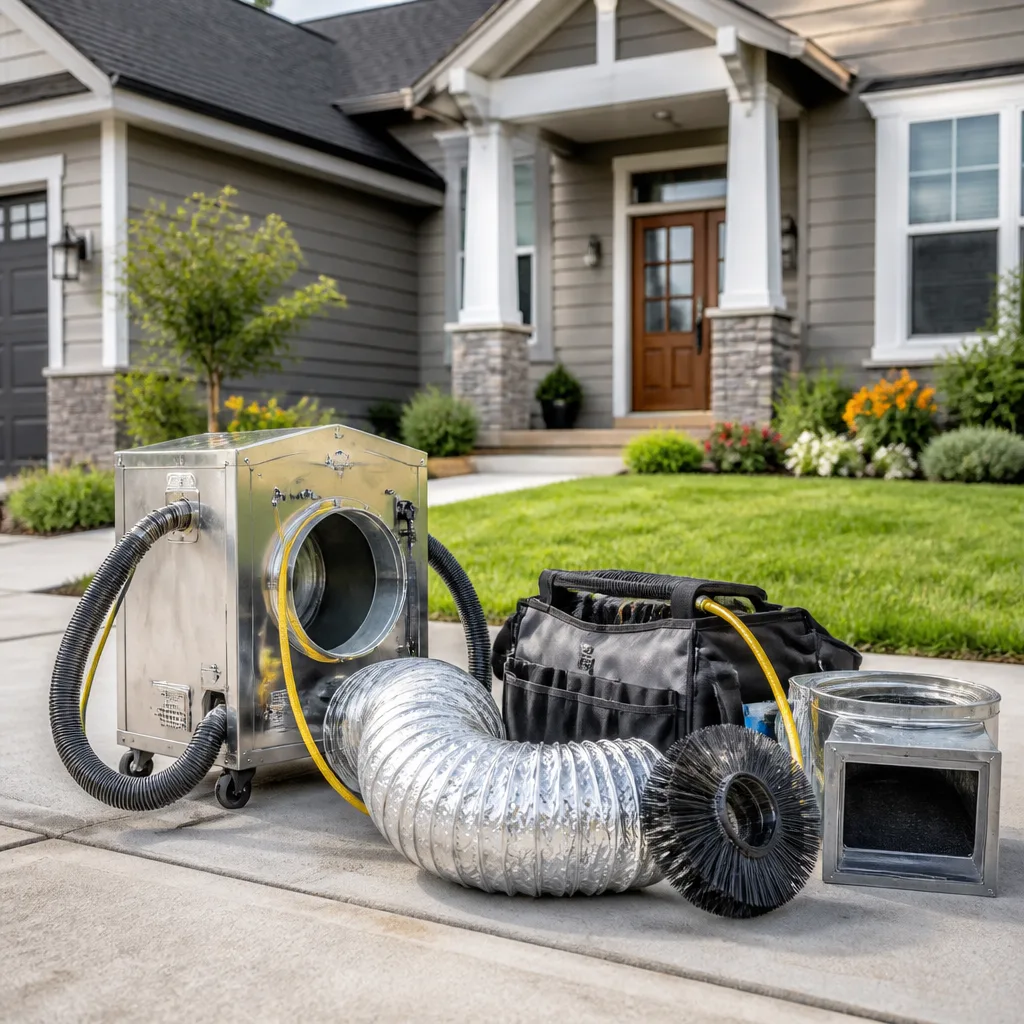
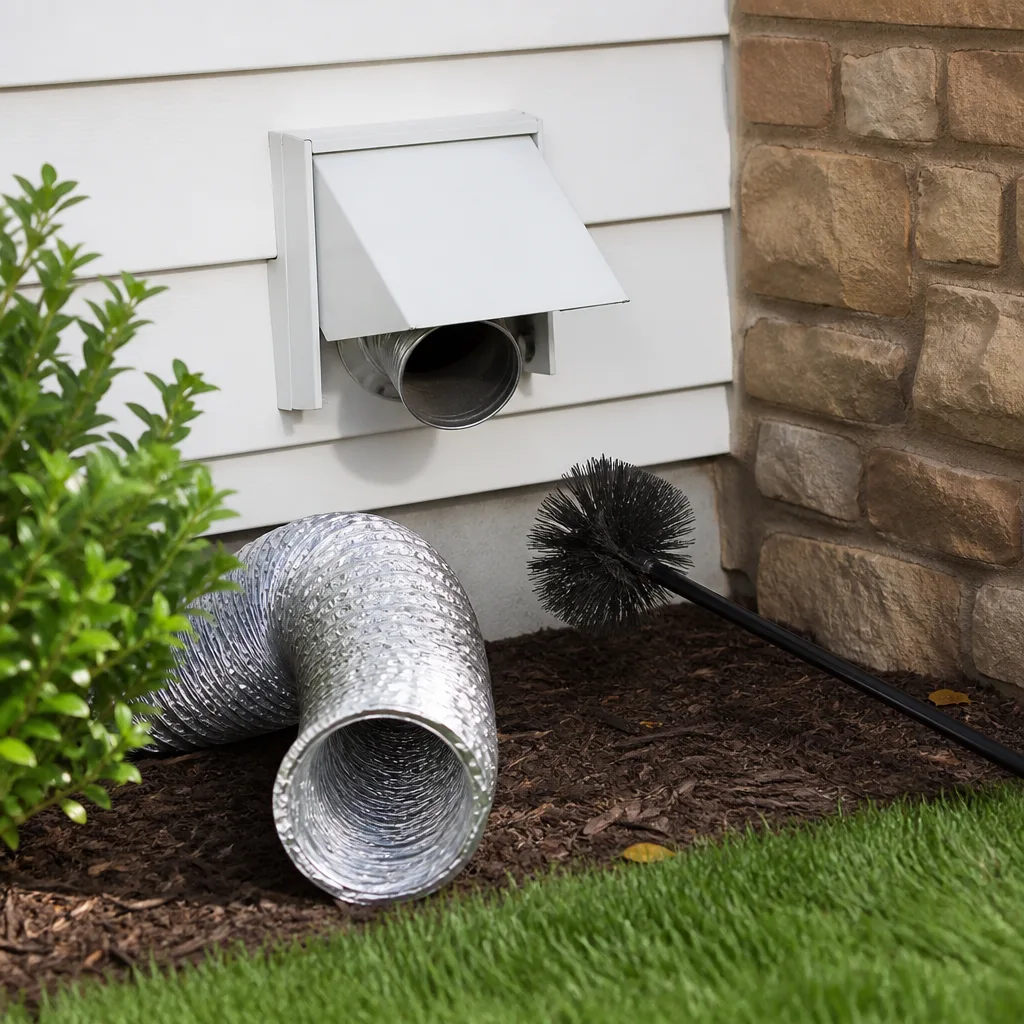
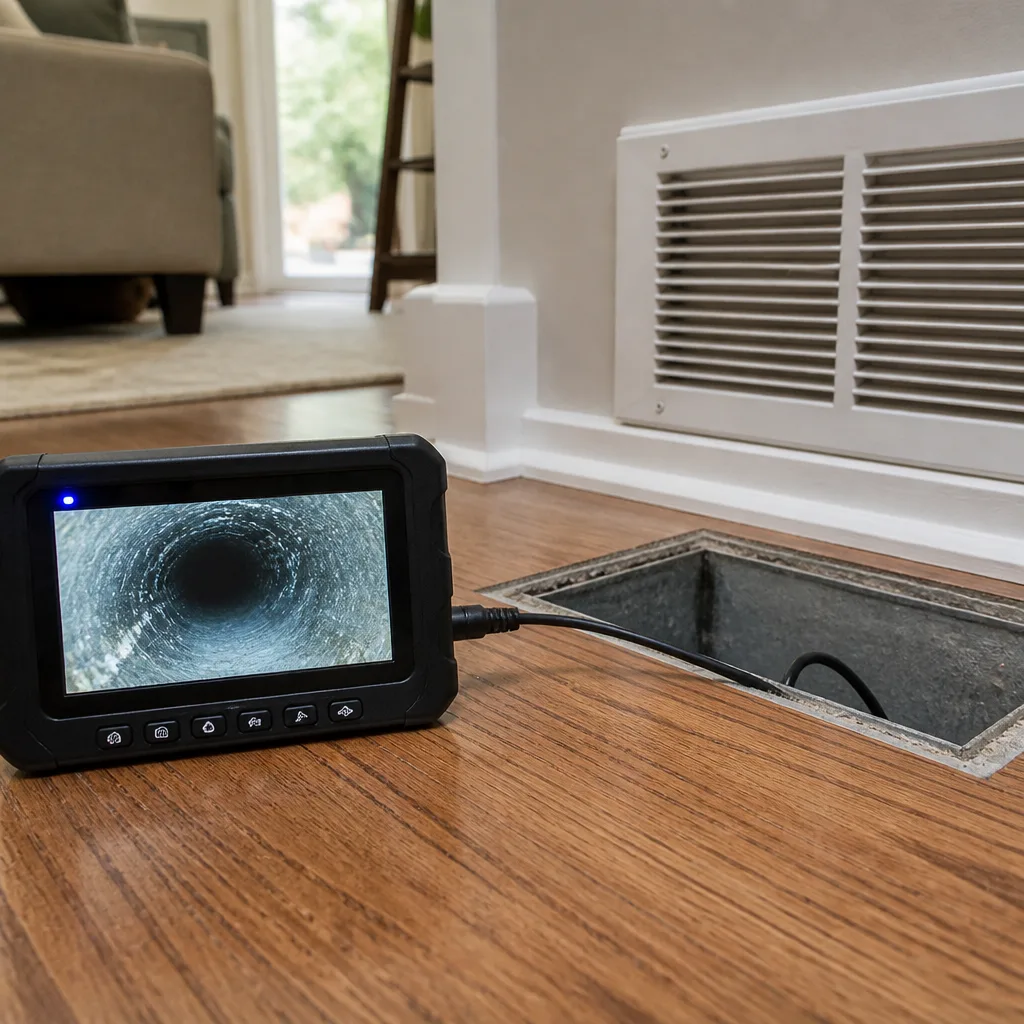
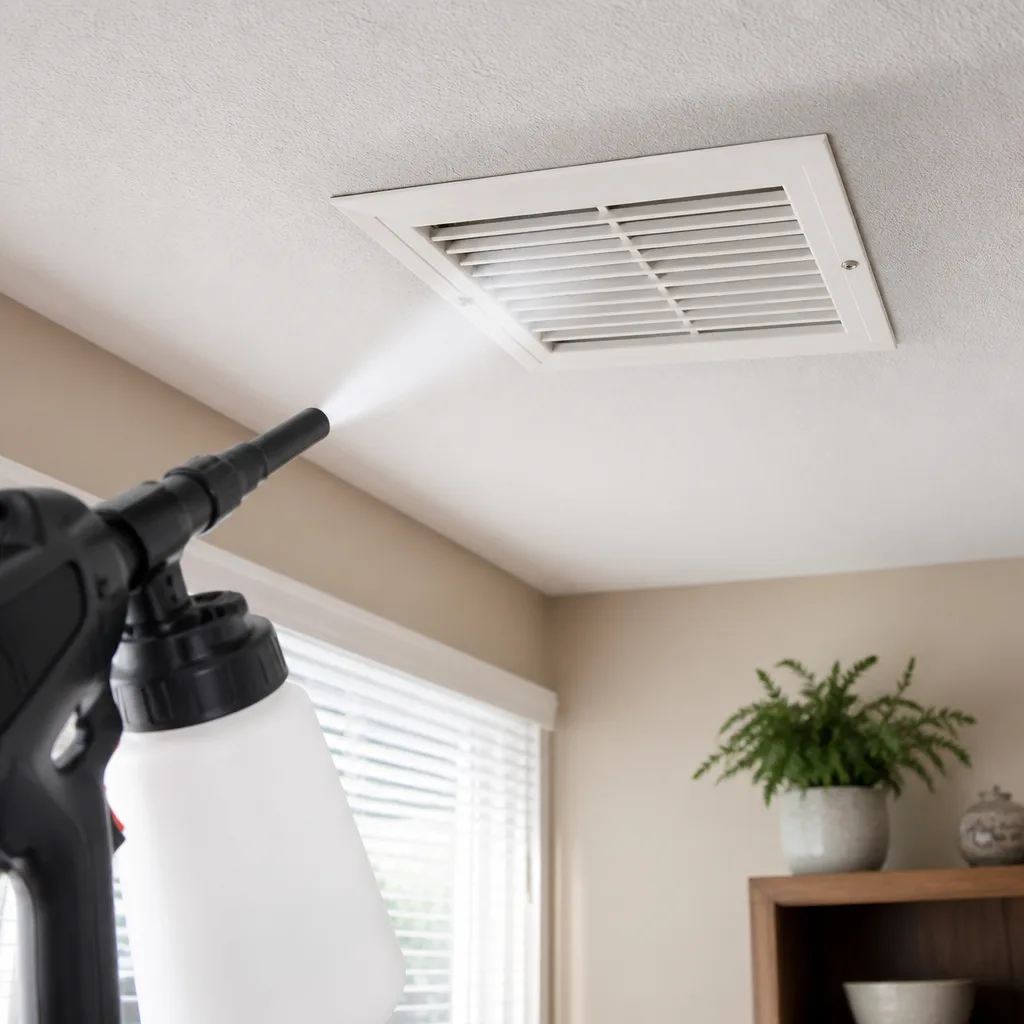
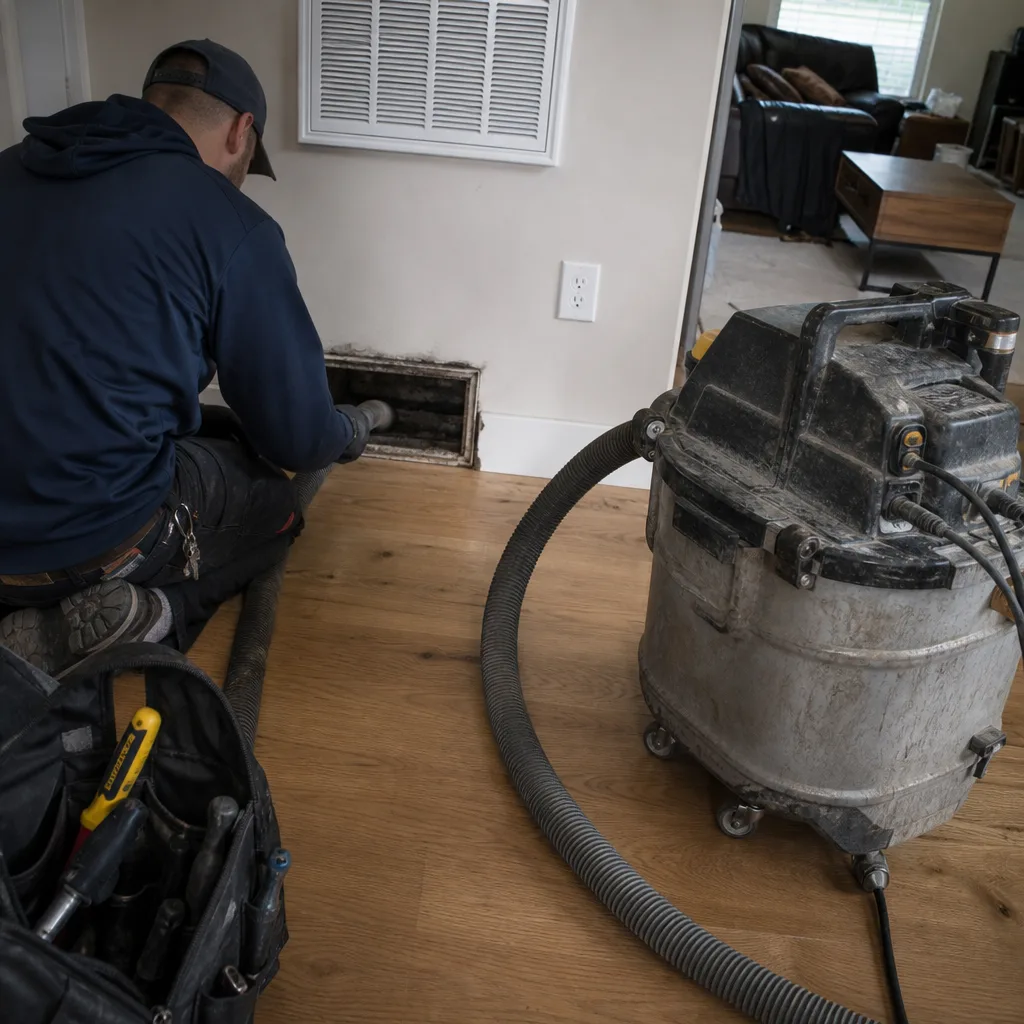 Before
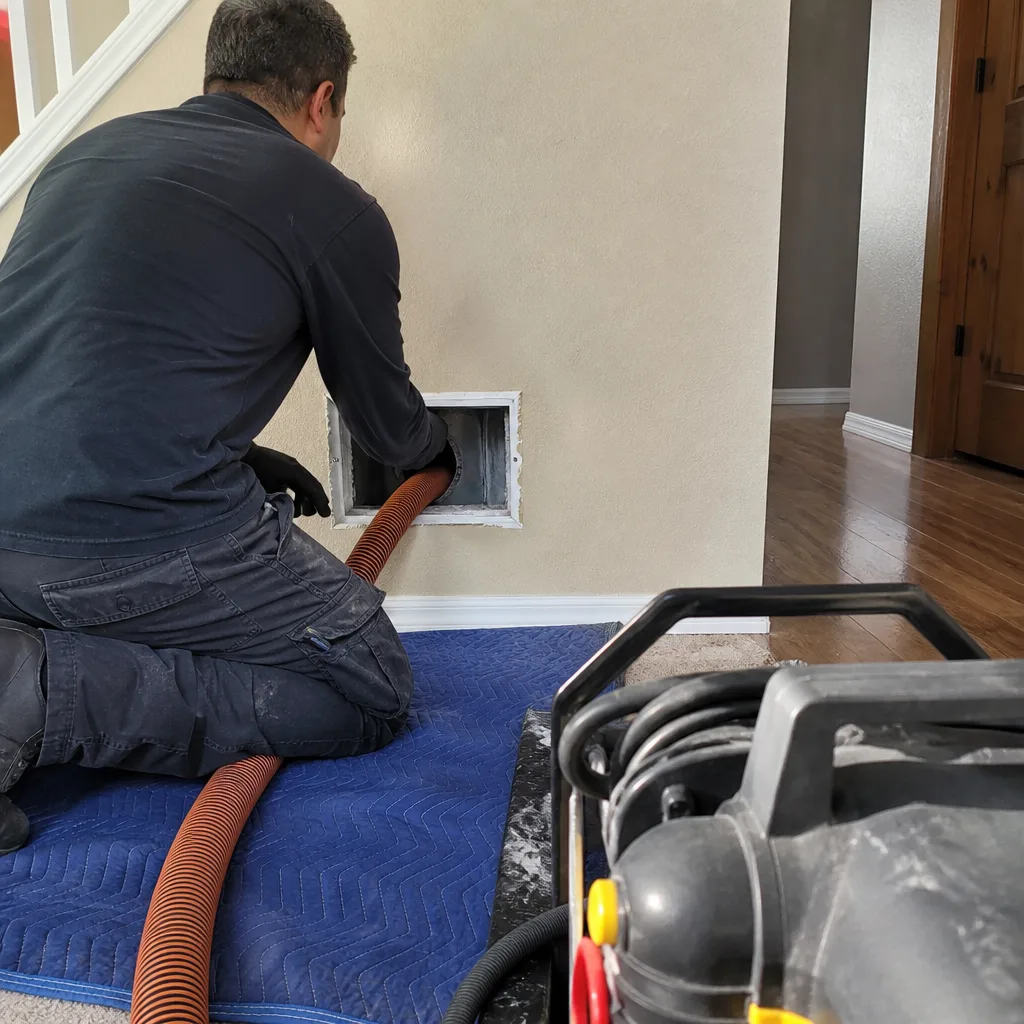 After
After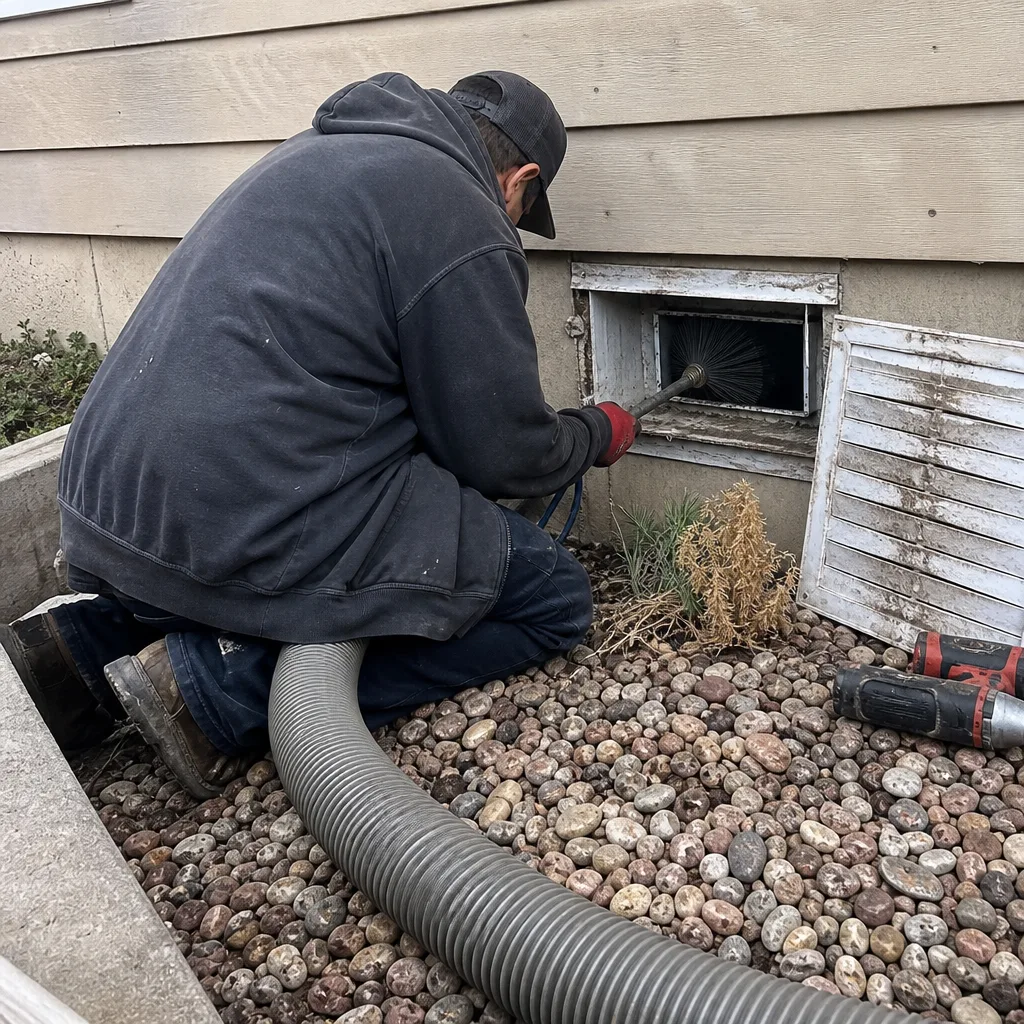 Before
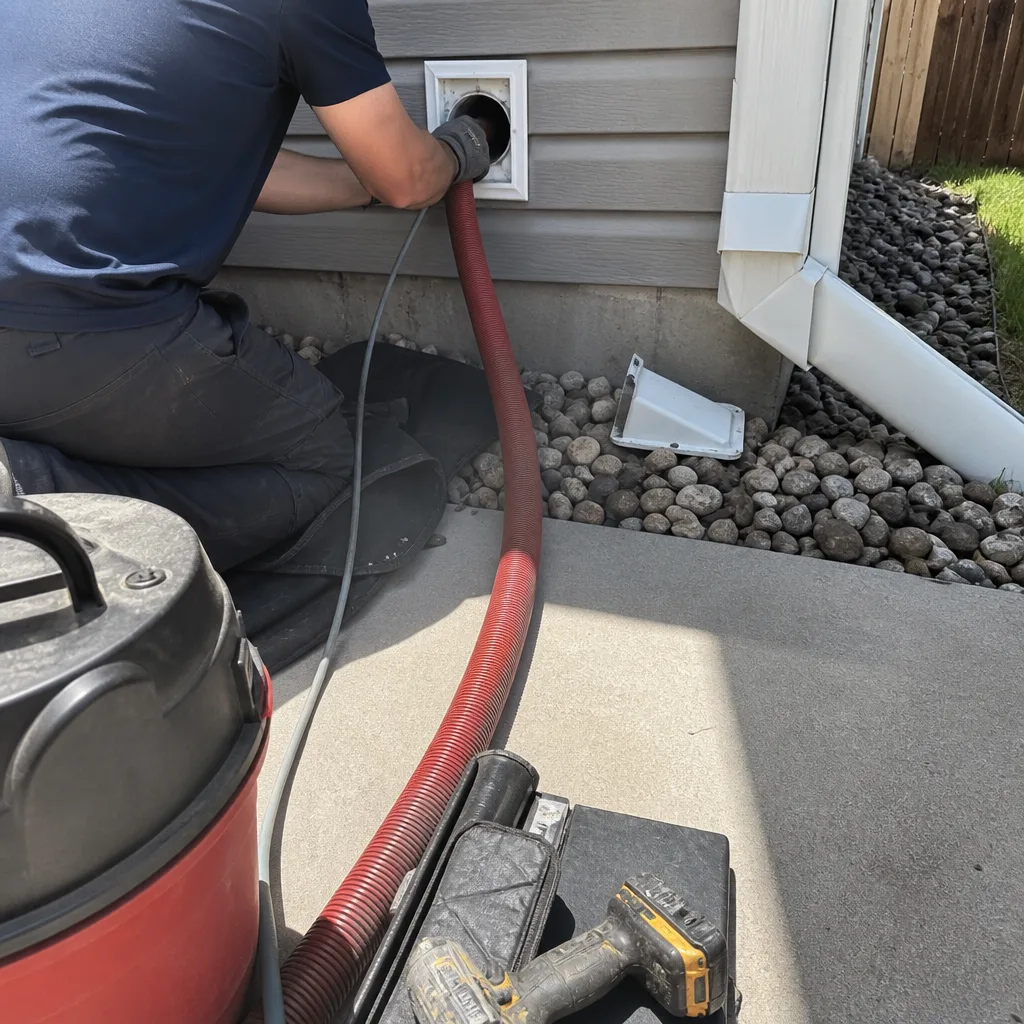 After
After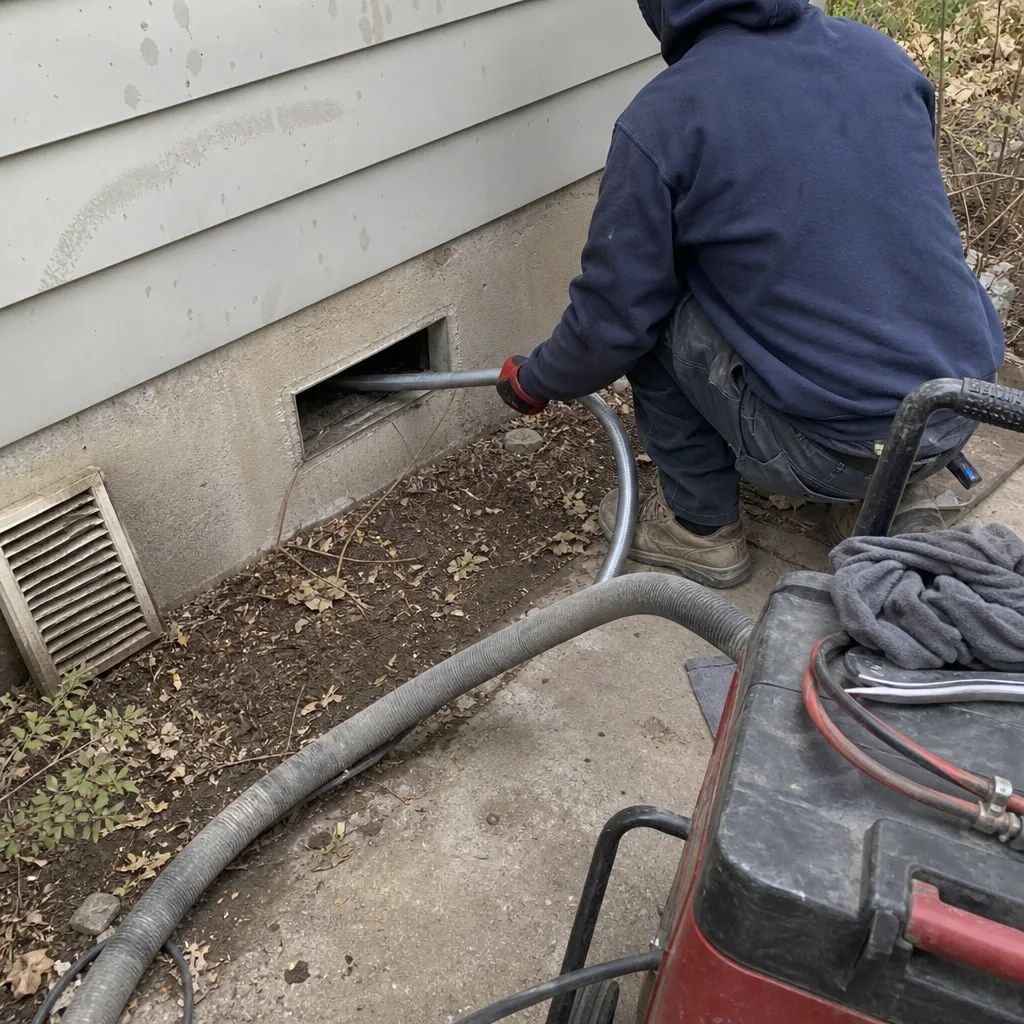 Before
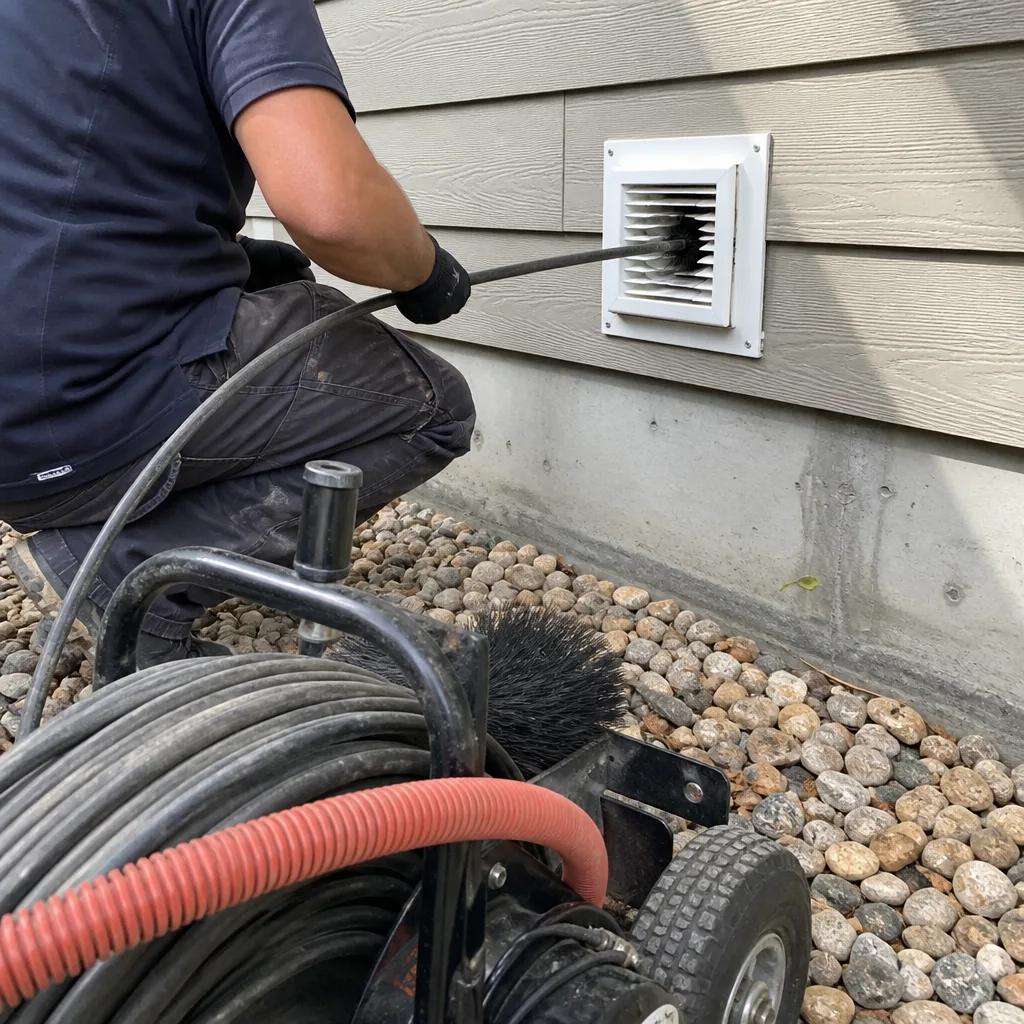 After
AfterHoneywell Coil Cleaning: The Aurora Owner’s Guide
CleanRun stocks and installs Honeywell-compatible evaporator and condenser coil cleaning for Aurora homeowners, with typical whole-system service running $340-$620 depending on access difficulty and coil condition. Most appointments are completed in a single visit, and we carry the full equipment roster on every truck. Homeowners usually discover the problem when their Honeywell system runs longer cycles without cooling, or when a maintenance camera shows a mat of debris and biofilm choking the fins.
Tomas Reyes, who runs our Aurora territory, puts it this way: “Show you the photo first, then we talk about what comes next.” That means the inspection camera goes in before any price is written.
Which Honeywell Models This Applies To
Honeywell coil cleaning isn’t about swapping a single part number. The work applies to any Honeywell-controlled HVAC system with an indoor evaporator coil or outdoor condenser coil that needs restoration. We most commonly service systems paired with Honeywell T6 Pro, T10, and Prestige IAQ thermostats in Aurora homes, especially in the newer builds along the E-470 corridor where builders spec’d Honeywell controls from 2018 forward.
To identify your coil type, check the service label on the air handler or condenser cabinet for the model series. The critical spec is fin density, measured in fins per inch. Residential Honeywell-mated systems typically run 8-14 fins per inch. Higher-density coils, common in the energy-efficient units installed in Stapleton and Conservatory developments, require softer brush pressure and different foaming agents to avoid fin damage. We match the cleaning protocol to the spec, not guess.
CleanRun Air Duct Cleaning Aurora is an independent service provider, not affiliated with Honeywell. We use manufacturer-recommended foaming cleaners and rinsing protocols, but we select equipment based on what the coil condition actually demands, not a brand script.
Signs Your Honeywell Coil Cleaning Is Failing
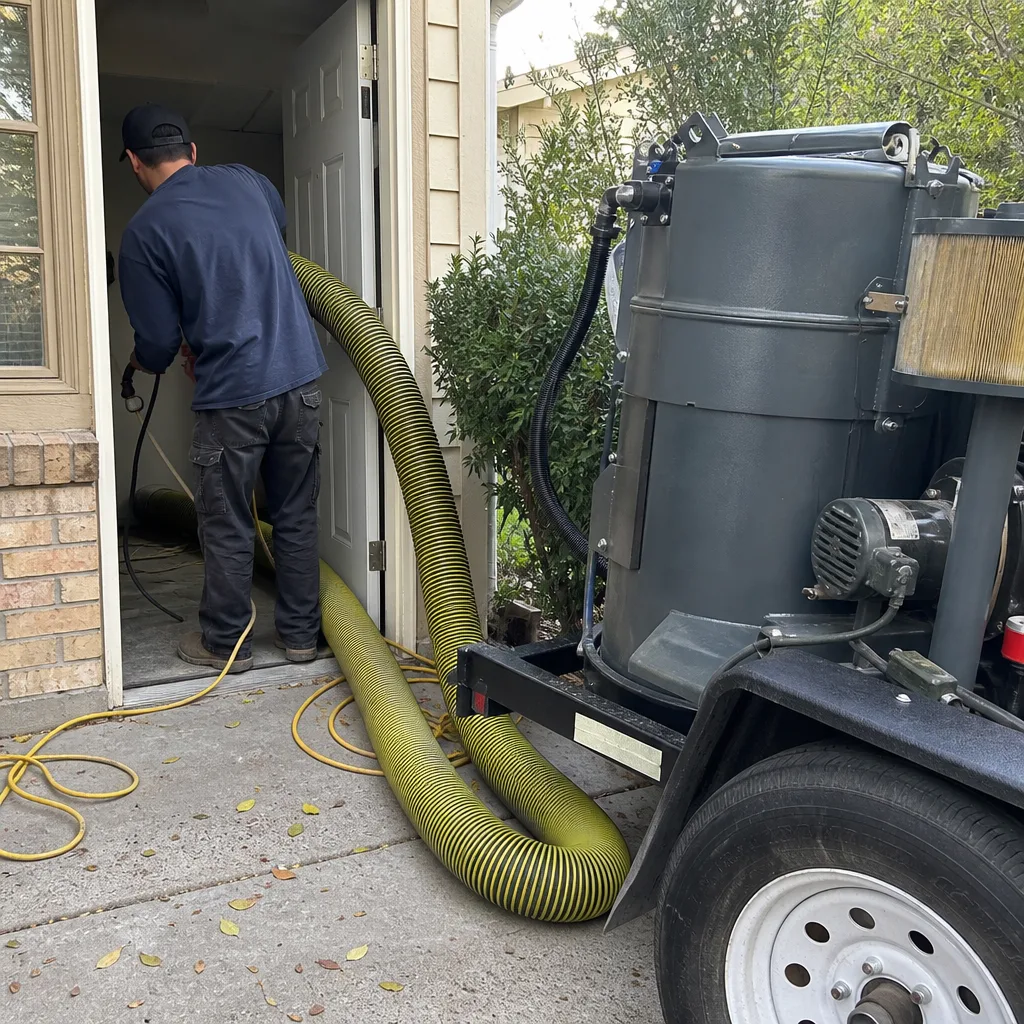
- Longer cooling cycles with lukewarm output. A coil choked with pollen, pet dander, and biofilm can’t transfer heat efficiently. The compressor runs longer to hit the setpoint, and the supply air never gets cold enough. In Aurora’s dry climate, dust compacts into a felt-like layer that standard filters miss entirely.
- Ice formation on the evaporator coil or suction line. Restricted airflow from dirty fins drops the coil temperature below freezing. Condensate ices over, which blocks airflow further. We’ve pulled ice blocks the size of a football from coils in ranch homes near Aurora Hills Golf Course where the system ran for weeks before the homeowner noticed.
- Musty or sour odor from registers. Biofilm and mold colonies colonize the damp fin surfaces. When the blower cycles on, the odor pushes through the duct run. This isn’t a filter problem; it’s growth rooted in the coil matrix that requires physical agitation and antimicrobial treatment to remove.
- Water pooling below the air handler. A dirty coil sheds water unevenly. Instead of draining properly into the condensate pan, it overflows or bypasses the pan edge. We’ve documented this in older Aurora homes where the coil sits in a vertical upflow configuration and the pan seal has aged.
- Honeywell thermostat shows longer “cooling” run times in the app. The data doesn’t lie. If your T10 or Lyric app shows 40-minute cycles where 20 minutes used to suffice, the coil is the prime suspect. We compare runtime history against our post-cleaning photo record to prove the improvement.
BeforeAfterReplacement Cost & What’s Included
Whole-system Honeywell coil cleaning in Aurora runs $340-$620, with most single-coil jobs landing in the $380-$480 range. The price depends on three factors: whether we’re cleaning one coil or both, how much access disassembly the air handler requires, and whether biofilm removal needs a second pass with foaming agent.
| Service Component | Price Range |
|---|---|
| Single evaporator or condenser coil cleaning | $340-$480 |
| Both coils (evaporator + condenser) | $520-$620 |
| Heavy biofilm / second foaming pass | +$60-$90 |
| CoatGuard protective fin coating (optional) | +$80-$120 |
Every price is written and signed before work begins, per Haven Standard Clause 1. The quoted figure is the final figure. The service includes: full system shutdown and lockout, coil inspection with photo documentation, foaming cleaner application and dwell time, rotary brush agitation on the fin surfaces, low-pressure rinse with condensate pan protection, reassembly, system restart, and a complete before-and-after photo record delivered to you. The 365-Day Done Right Promise covers the workmanship. Equipment on this job may include Rotobrush agitation tools and Abatement Technologies HEPA-contained rinse systems.
DIY or Call Us?
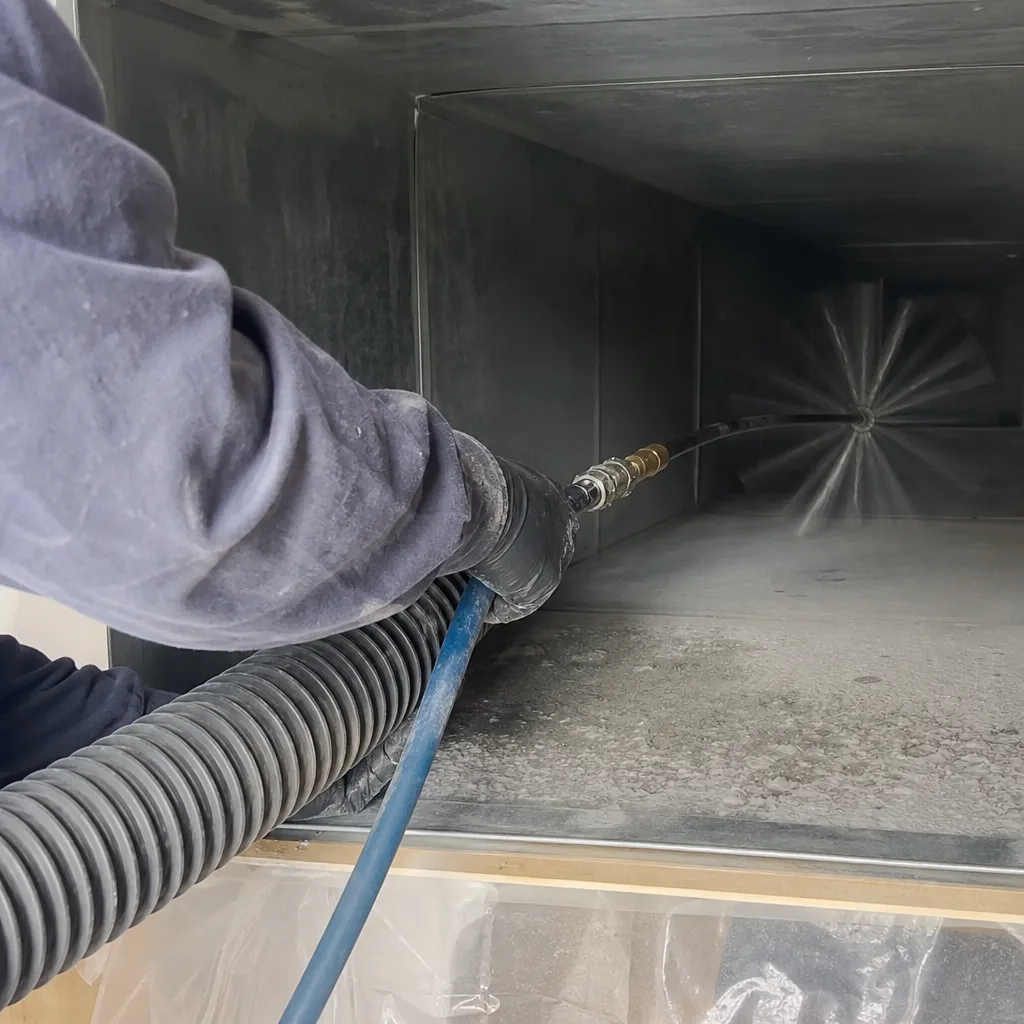
There is no safe DIY coil cleaning for the typical Aurora homeowner, and we say that plainly. Evaporator coils sit inside the air handler, downstream of the blower, often behind sealed panels. Accessing them requires electrical lockout knowledge and refrigerant line awareness. The foaming agents sold at hardware stores are formulated for outdoor condenser coils and can degrade indoor evaporator fin coatings. Worse, aggressive brushing with a household tool crimps fins permanently, destroying heat transfer.
What you can safely check: the outdoor condenser for visible debris on the exterior grille, and the filter slot for a clogged return filter. Both affect coil performance without requiring panel removal. Beyond that, the risk of refrigerant exposure, electrical contact, or fin damage outweighs any savings. Our technicians are background-checked and uniformed, operating under Haven Standard Clause 3: Verified Crews. Call (720) 513-5159 and we’ll put a written price next to your system before any equipment leaves the truck.
FAQs
A single-coil cleaning typically takes 90 minutes to 2.5 hours, depending on access difficulty and how much buildup we’re removing. Both coils in one system usually run 3-4 hours. We don’t rush the foaming agent dwell time; it needs to break the bond between debris and fin surface before agitation begins. Call (720) 513-5159 to schedule - estimates are free.
No. Once fin corrosion or biofilm intrusion has occurred, physical removal is the only restoration path. A coil with advanced corrosion or refrigerant leaks requires replacement, not cleaning, which is a separate service we can quote in writing. Our inspection camera shows you which condition you’re facing before any work is approved.
Every 3-5 years for most Aurora homes, sooner if you have pets, recent construction dust, or run the system continuously through summer. The dry Front Range climate produces fine dust that compacts in coil fins more densely than humid-climate debris. Homes near open prairie or active construction, common in southeast Aurora, often need cleaning every 2-3 years.
Yes. Every CleanRun truck carries Rotobrush coil agitation tools, Nikro and Abatement Technologies HEPA-contained rinse systems, and foaming agents matched to both standard and high-density fin configurations. We don’t schedule a return trip for equipment we should have brought the first time. Call (720) 513-5159 - we’ll confirm same-week availability and put the price in writing before we arrive.
Written by Tomas Reyes, Owner & Lead Technician, CleanRun Air Duct Cleaning Aurora at CleanRun Air Duct Cleaning Aurora, serving Aurora and nearby areas.