
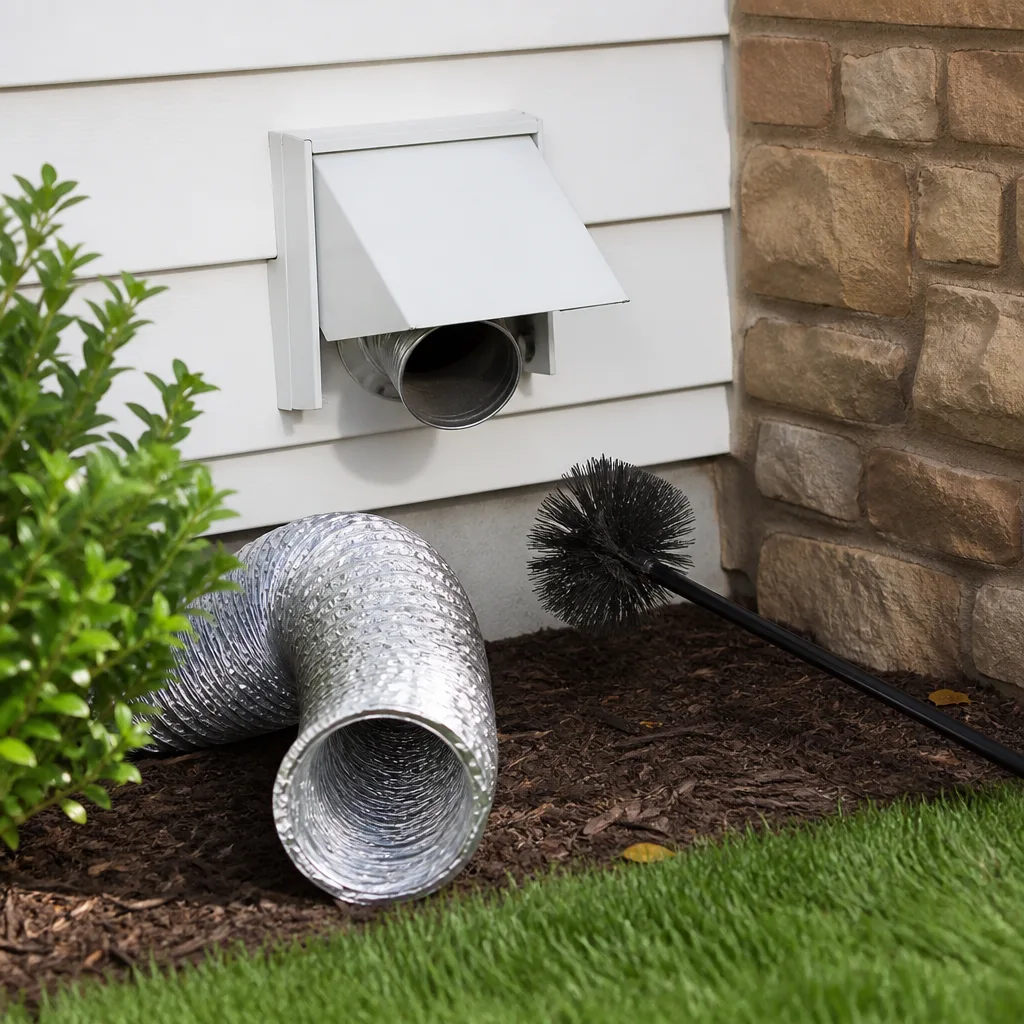
Whole-system duct and dryer vent check with before-and-after photos - you see exactly what came out of your vents
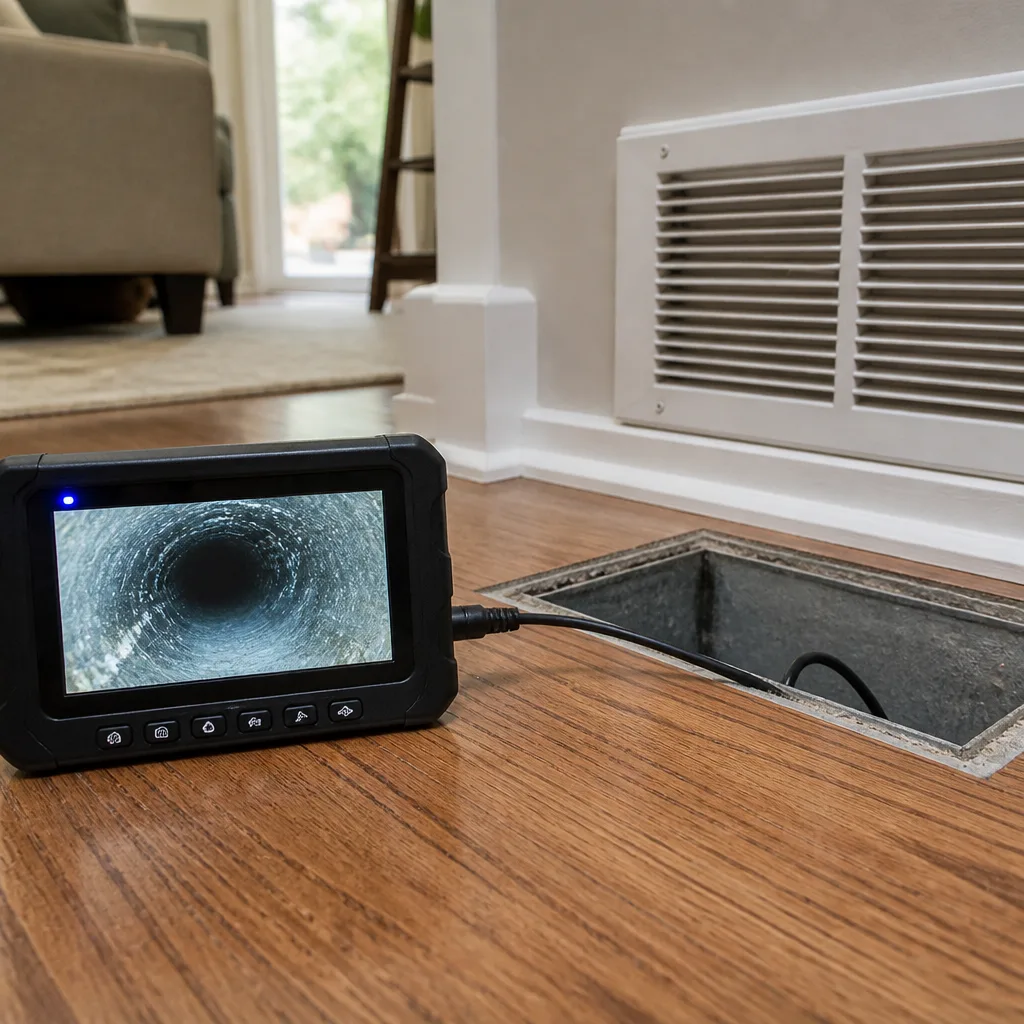
That "$99 whole-house special" is a bait ad - the real number appears once they are in your hallway, or the "clean" is a shop-vac at the register. We photograph the inside of your ducts before and after instead.
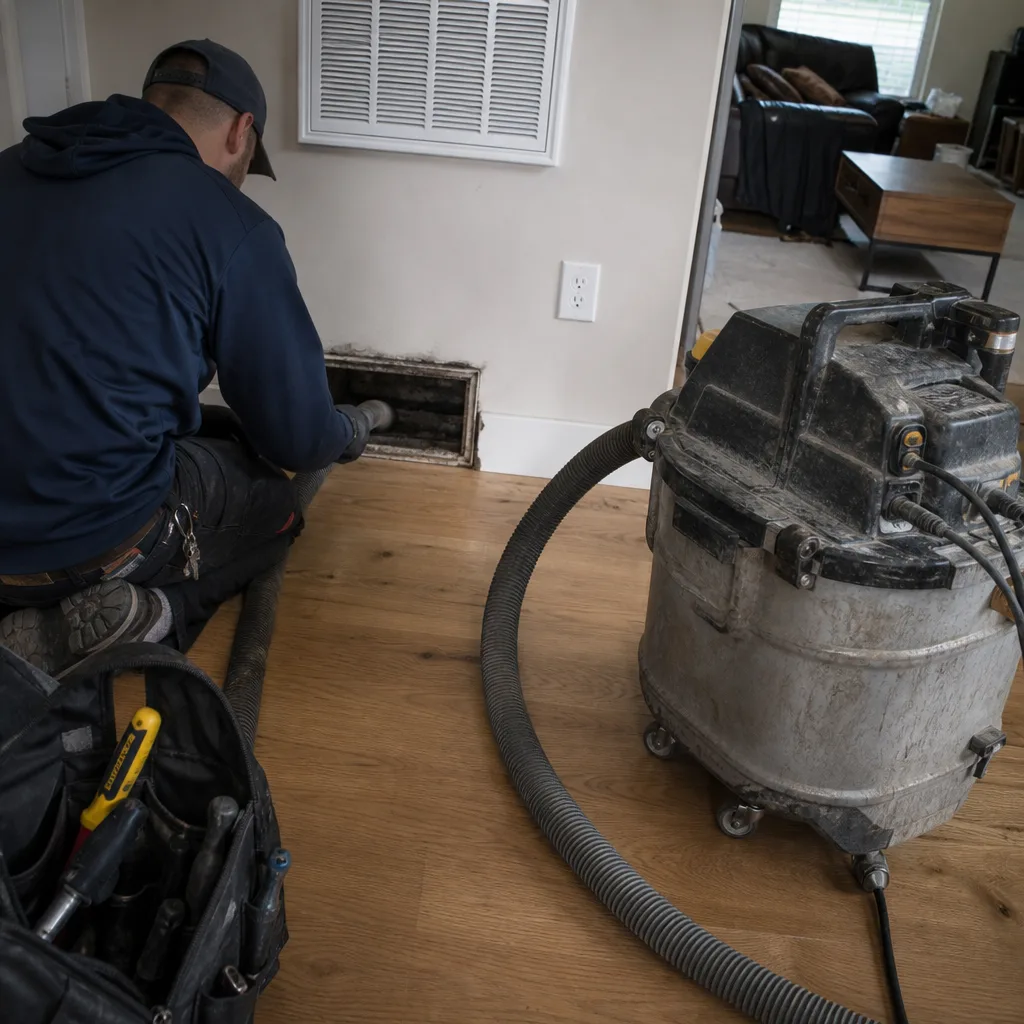 Before
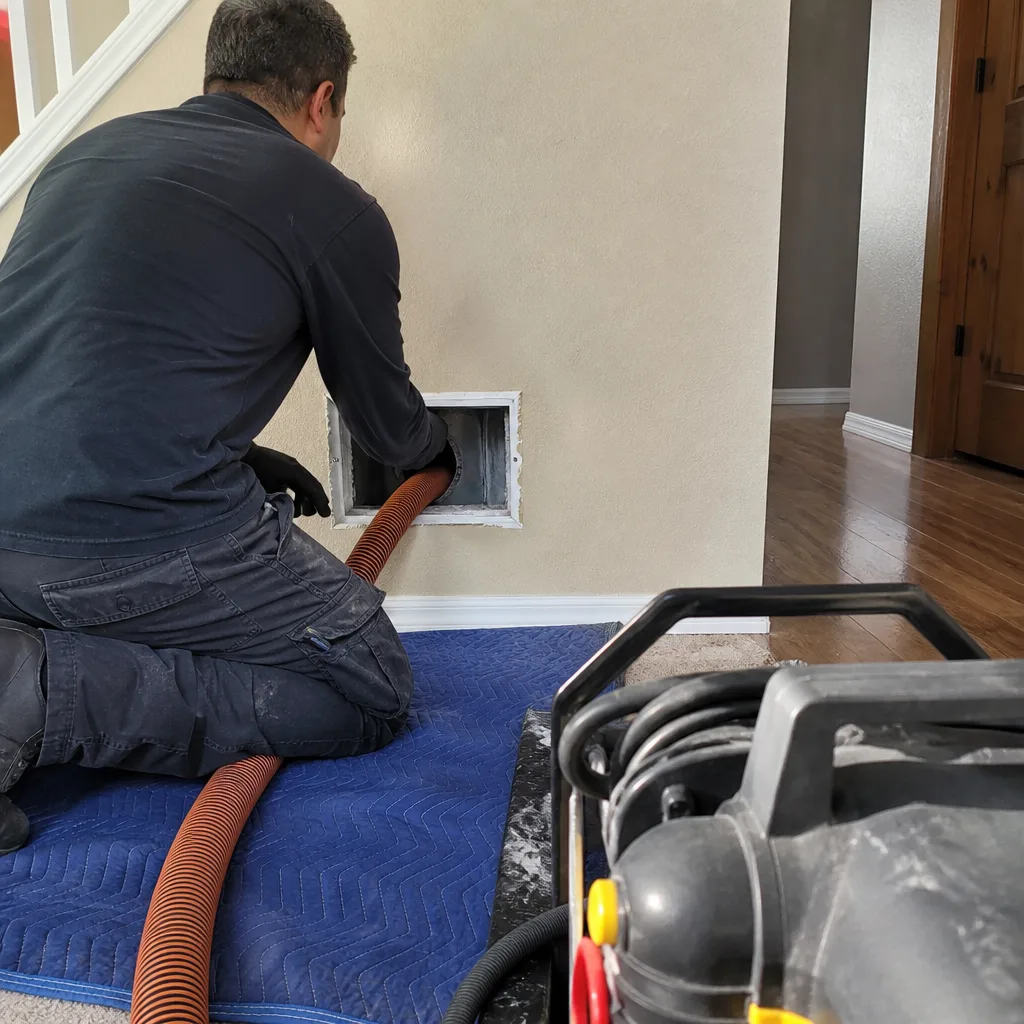 After
After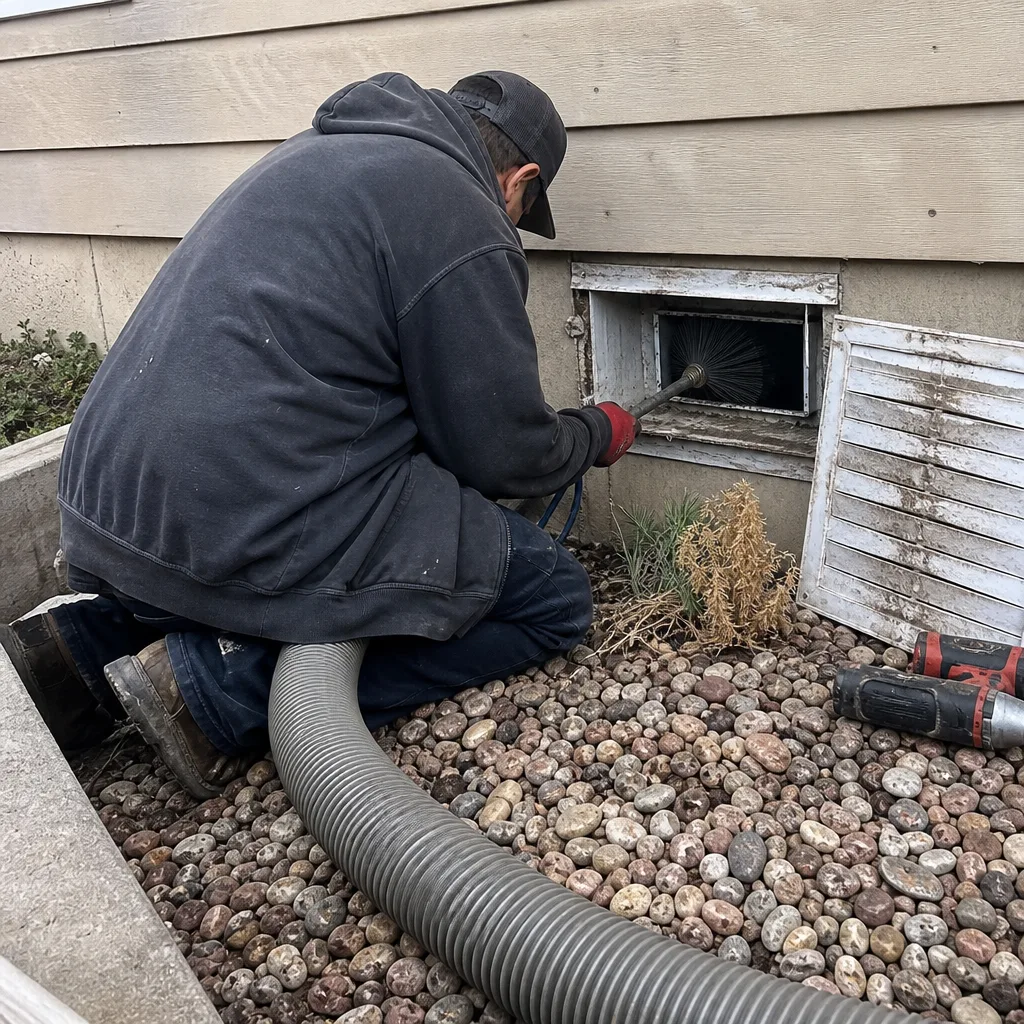 Before
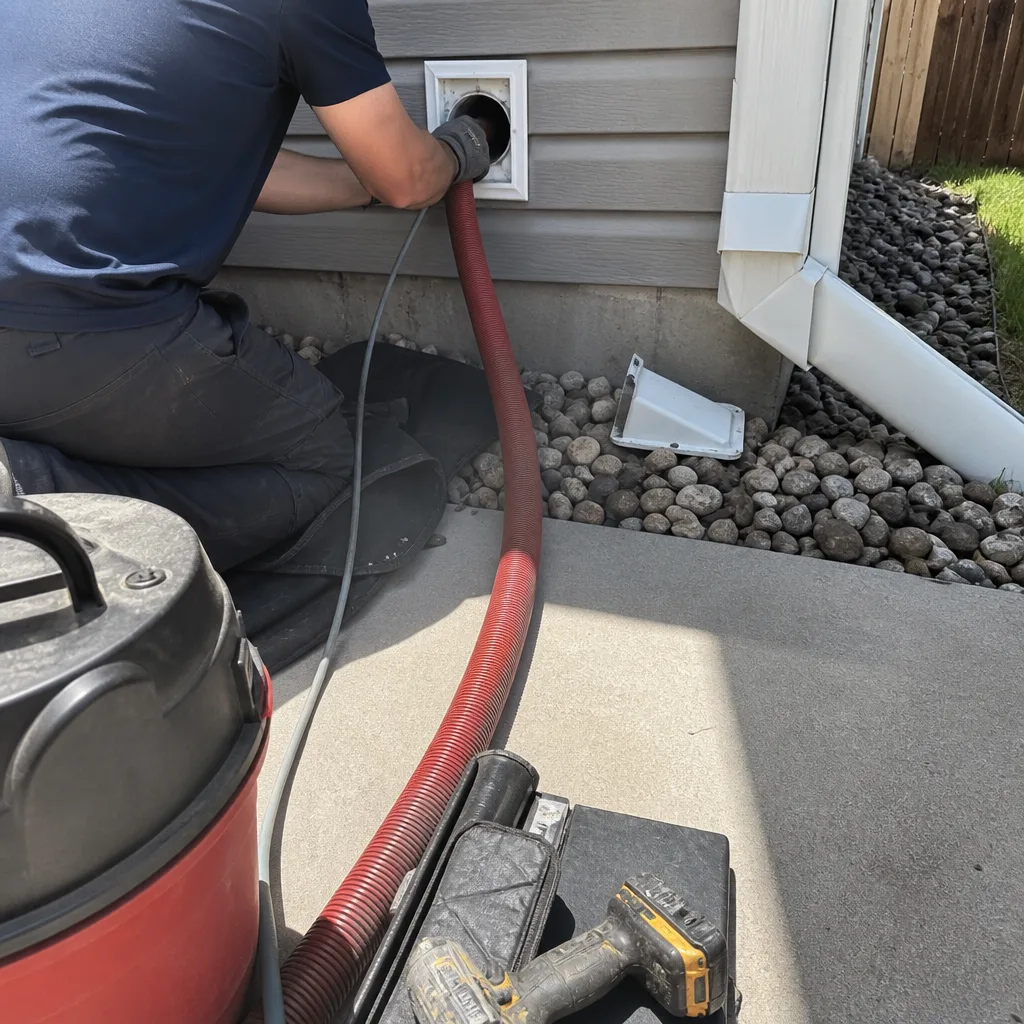 After
After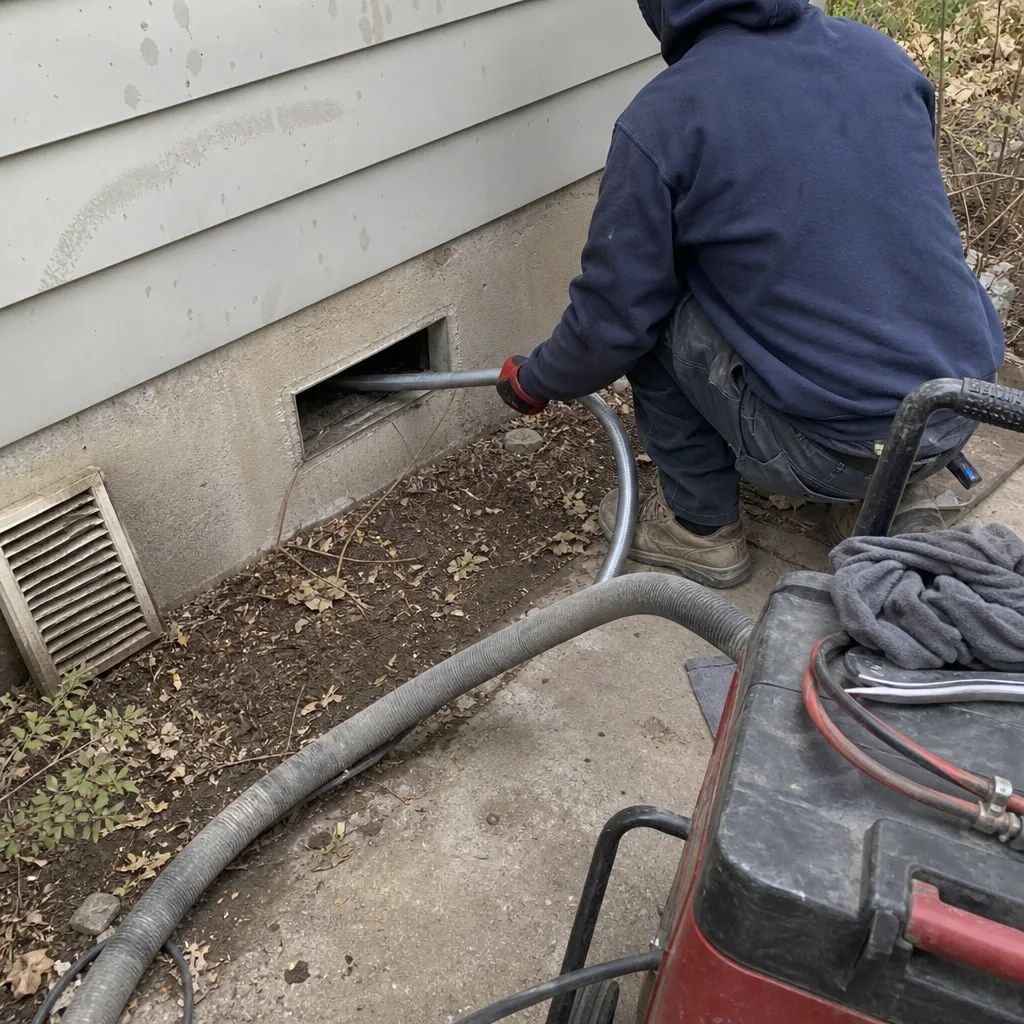 Before
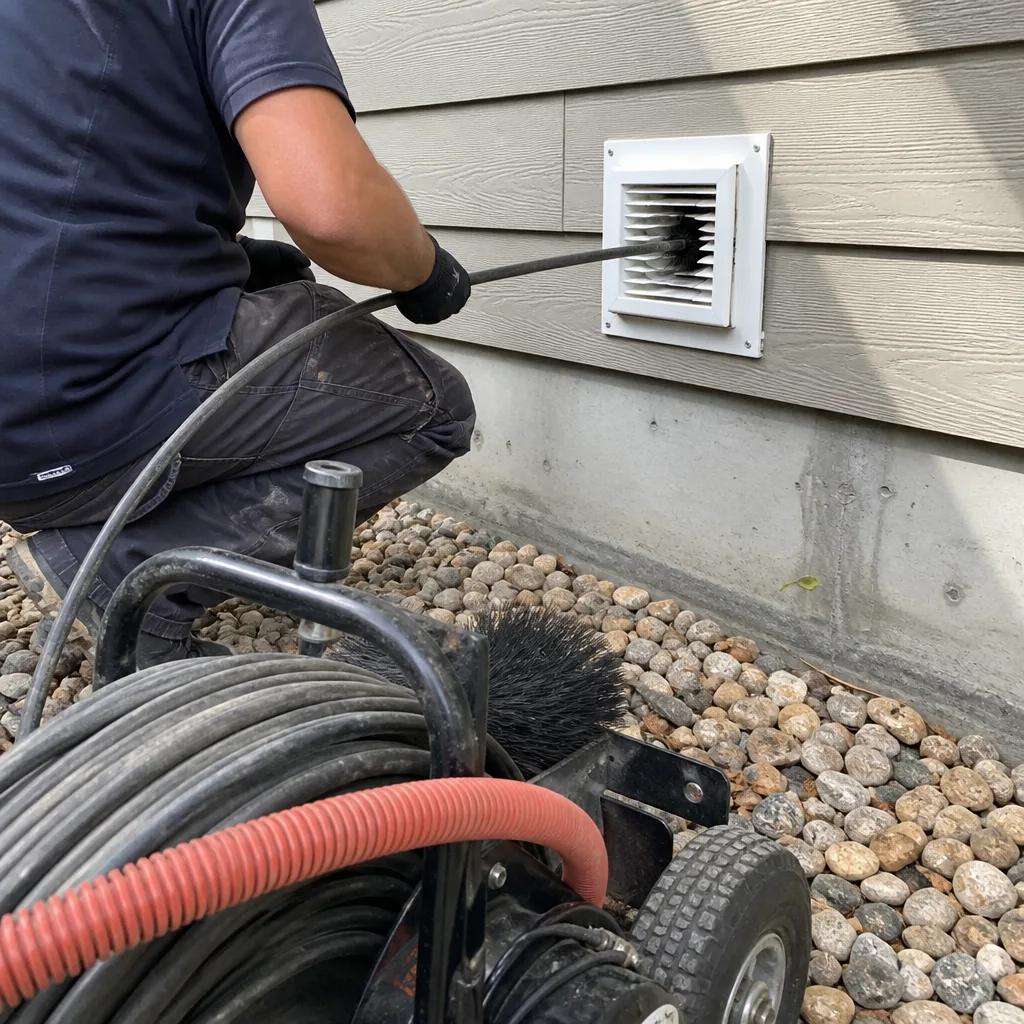 After
AfterNikro Register & Grille Cleaning: The Aurora Owner’s Guide
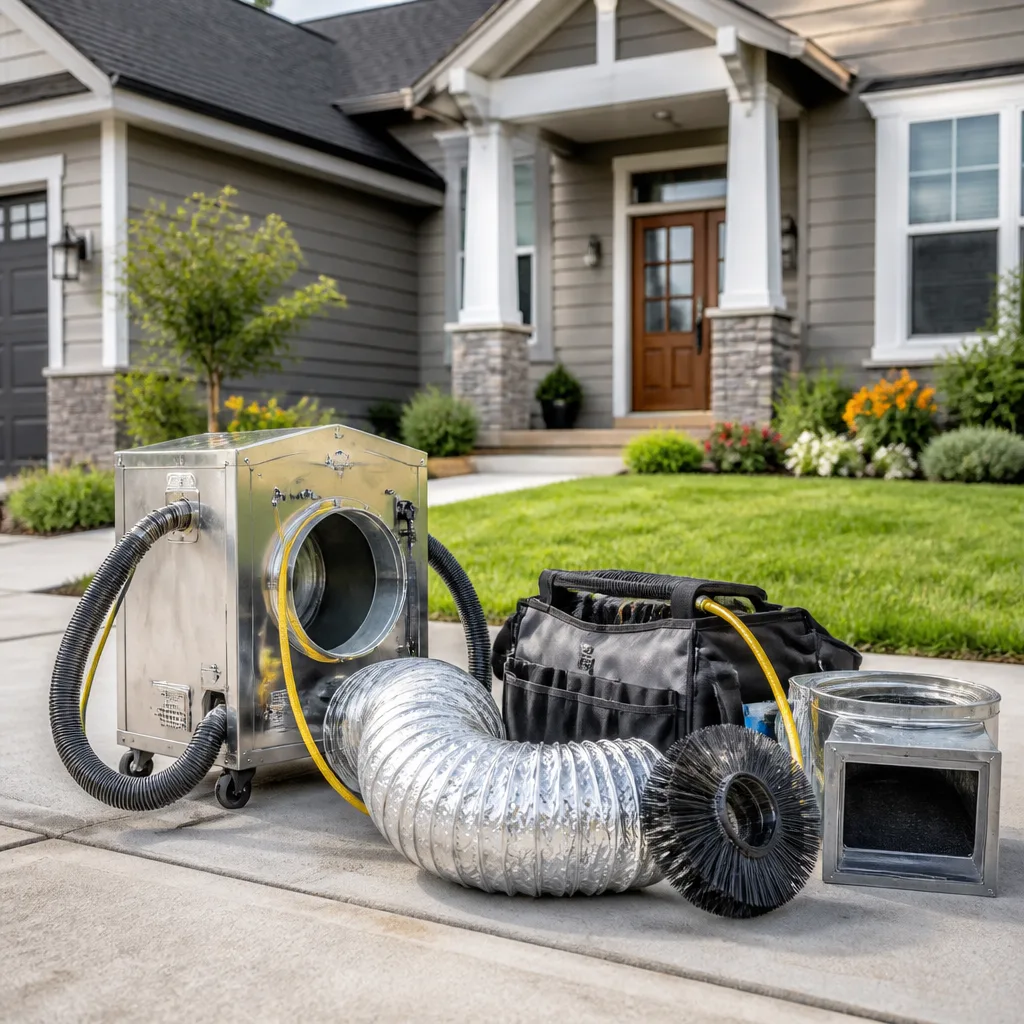
We stock and install Nikro-compatible register and grille cleaning assemblies for most residential negative-air duct cleaning systems used in Aurora homes, with typical installed pricing between $340 and $580 depending on the plenum configuration and how many registers need full disassembly. Most replacements we quote in Aurora are completed same-day because we carry the common Nikro register attachments and flex-rod adapters on every truck. Homeowners usually discover the problem when their Nikro system’s suction drops at the register face even though the main vacuum unit sounds normal, or when the grille tool chatters against the duct boot instead of sealing clean.
Which Nikro Models This Applies To
Nikro built register and grille cleaning tools across several series, and the compatibility question matters because the thread pitch on older Nikro wands differs from the quick-connect system used on current production units. We most commonly see the RG-8 and RG-12 rotary grille tools in Aurora homes, along with the earlier fixed-angle models that use a 1.5-inch threaded collar. The label is stamped on the wand body near the coupling, not on the brush head itself, so check there before ordering.
OEM Nikro brushes and register seals are available, but we also source quality aftermarket equivalents from Guardsman that match the thread spec and durometer rating. The aftermarket route saves roughly $40 to $70 on parts without affecting suction seal, though we always confirm the bristle density matches the original for the specific duct liner type in your system. If your Nikro unit is pre-2015, measure the wand collar with calipers, not a tape measure, because the 1.375-inch and 1.5-inch collars look identical until you try to thread them.
CleanRun Air Duct Cleaning Aurora is an independent service provider, not affiliated with Nikro. We also stock parts for Lennox, Trane, and Carrier systems when the register assembly ties into a branded air handler.
Signs Your Nikro Register & Grille Cleaning Is Failing
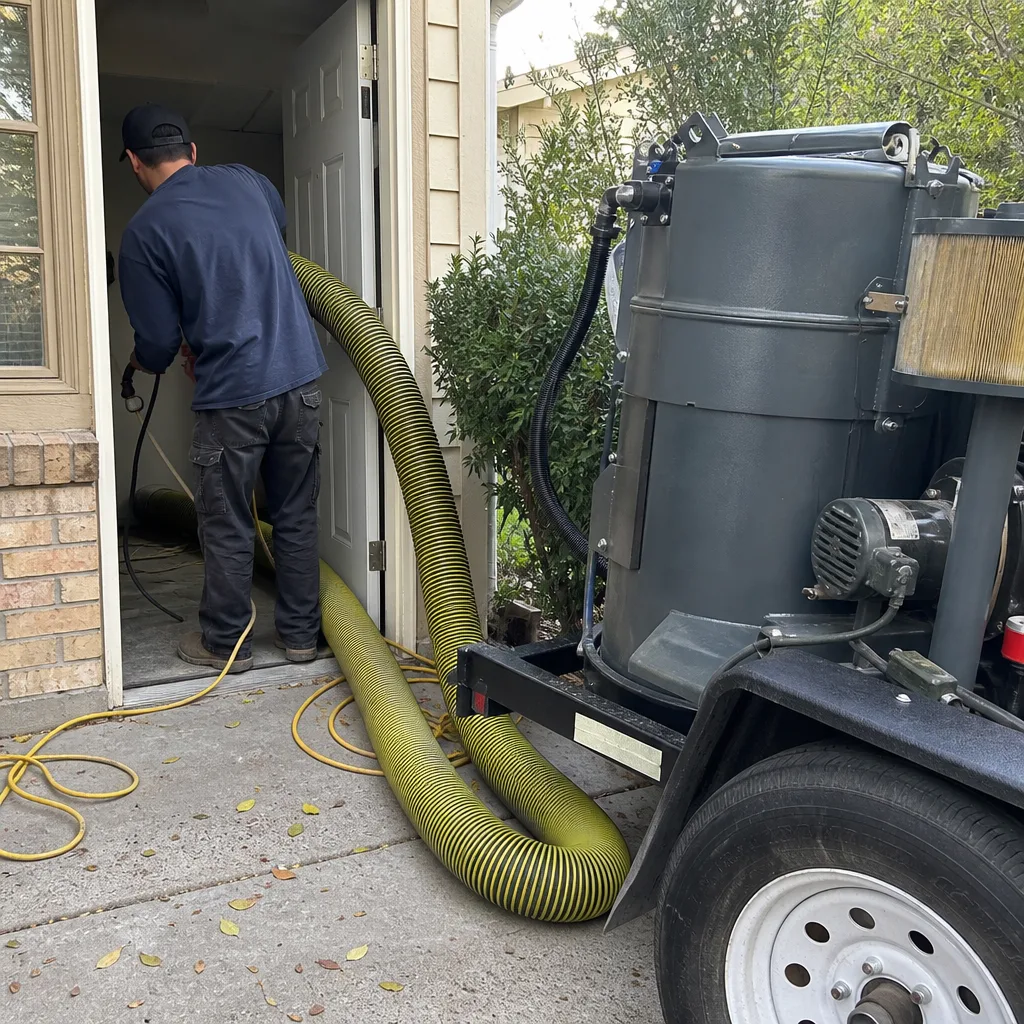
- Suction loss at the register face while the main unit pulls normal amperage. The vacuum motor is working, but the register tool’s seal gasket has compressed or torn, letting bypass air dilute the cleaning force at the point where debris actually lifts. We see this most in Aurora’s older ranch homes near the Aurora Hills Golf Course, where registers have been removed and reinstalled dozens of times over decades.
- Chattering or vibration when the tool seats against the grille. The rotary brush head’s center bearing has worn eccentric, so the assembly wobbles instead of spinning true. This transfers vibration into the duct boot and can loosen taped seams.
- Visible bristle flattening or shedding on the register brush. Nylon bristles fatigue after roughly 150 to 200 register cleanings, especially in Colorado’s low humidity, which makes the material more brittle than in coastal climates. Flattened bristles don’t agitate debris; they just polish it.
- Flex-rod binding or kinking at the register elbow. Nikro’s older solid-core rods don’t tolerate the tight radius of 6-inch duct elbows common in E-470 corridor new construction. The rod binds, the operator pushes harder, and the coupling threads strip.
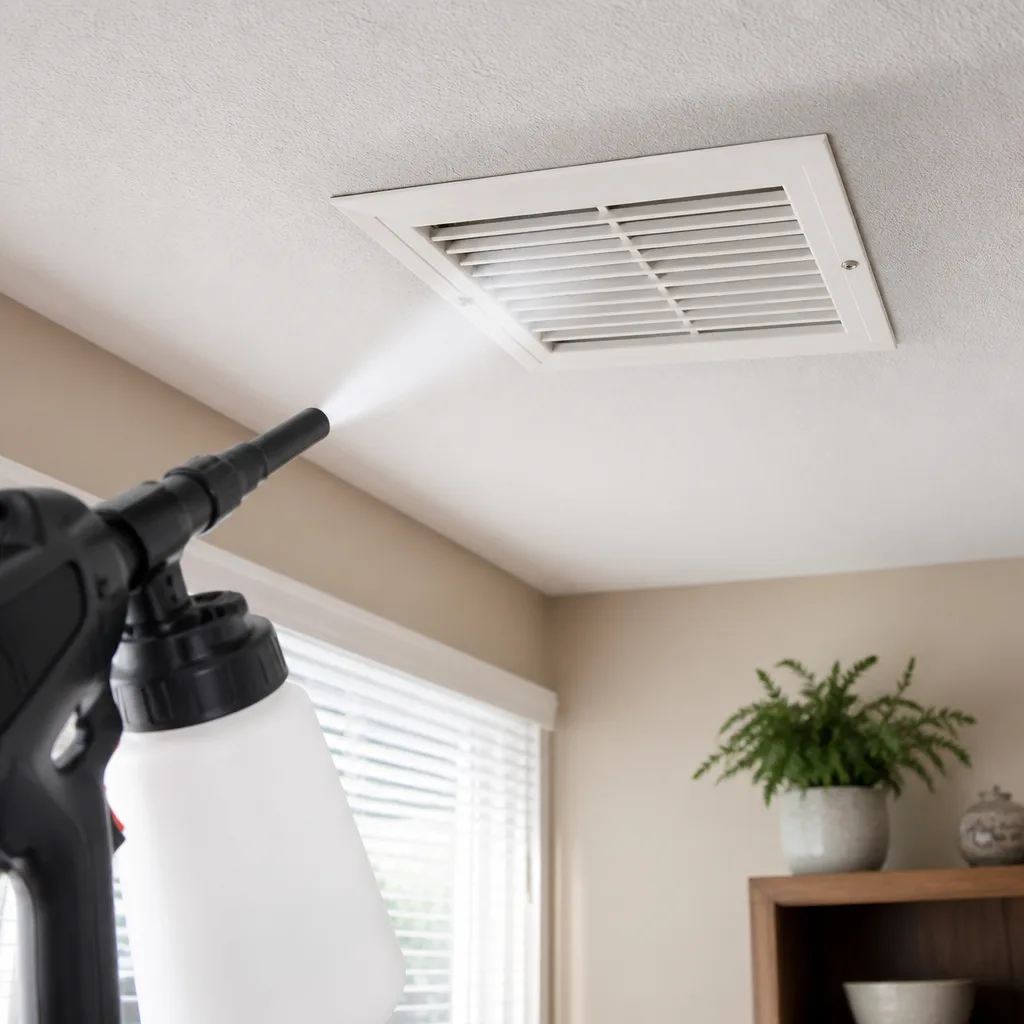
- Grille tool leaves a dark ring on the ceiling paint after use. The tool face seal has worn through to the metal backing plate, which contacts and marks the register finish. This is cosmetic damage to your home caused by a worn consumable part.
BeforeAfterReplacement Cost & What’s Included
For a typical Aurora home with 8 to 12 registers, the installed range runs $340 to $580. That covers the register and grille cleaning assembly, flex-rod extensions if needed, labor to remove and reinstall each register, and a documented photo record of the duct interior before and after. The price moves toward the higher end when we find stripped duct boots that need re-securing, or when the plenum access is limited by a finished basement ceiling.
We quote one flat price per system, agreed in writing before any equipment leaves the truck. Haven Standard Clause 1: no per-register add-ons, no surprise charges when we open the plenum. The parts carry a 1-year defect warranty, and the installation itself is covered by our 365-Day Done Right Promise. If the seal fails or the brush chatters within a year, we make it right without a service fee.
DIY or Call Us?
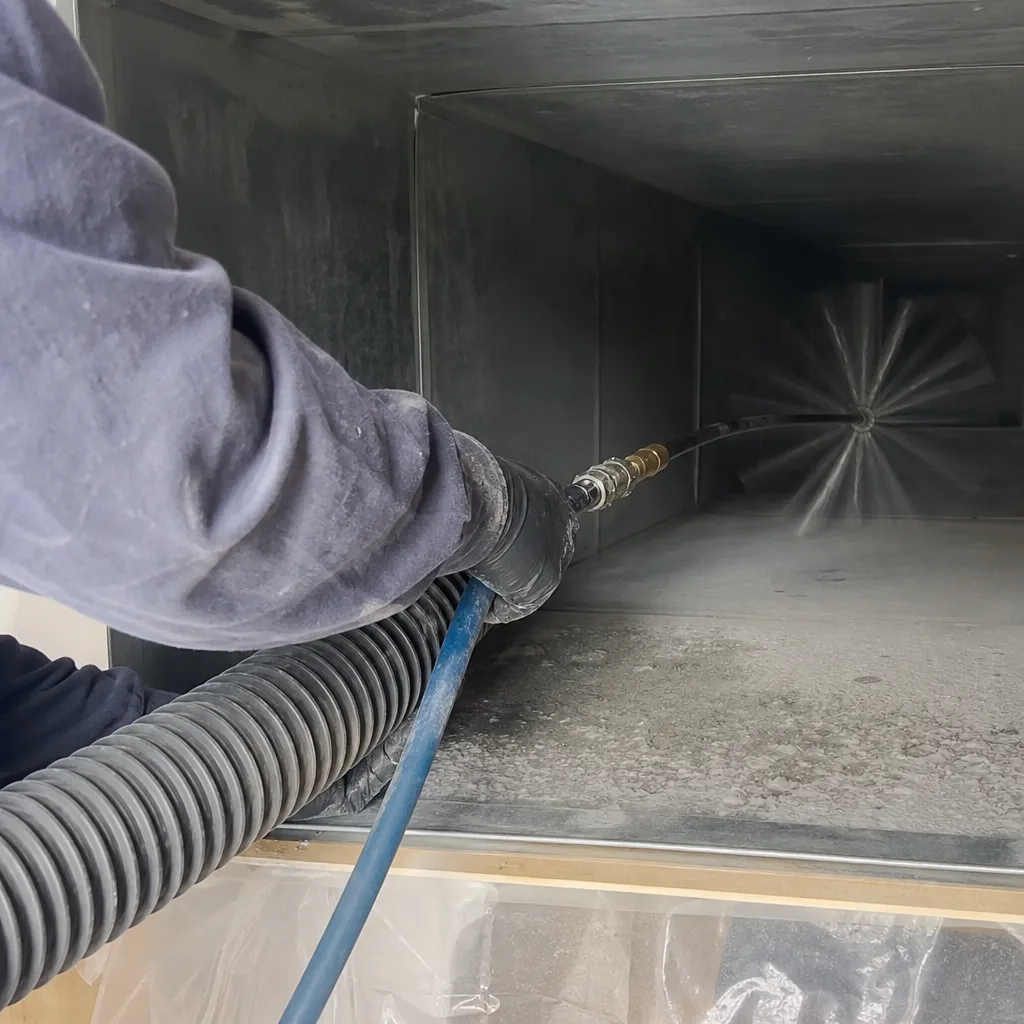
An owner can safely check the register tool label and measure the wand collar with calipers. You can also inspect the bristle condition by removing the brush head and flexing the tufts, they should spring back, not stay bent. What you cannot safely do is run a rotary tool inside a duct without verifying the duct boot is mechanically secured to the trunk line. We’ve found boots held by nothing more than friction and old mastic in homes across Aurora, and a spinning brush will separate them.
Negative-pressure extraction equipment also demands proper grounding and amperage verification. The risk isn’t dramatic, but a tripped breaker or loose connection in a finished ceiling is not a weekend project. We carry the right adapters, test the suction at each register with a manometer, and photograph the boot condition before the tool goes in. Show you the photo first, then we talk about what comes next.
If you’re unsure which Nikro series you have, call (720) 513-5159. We’ll walk you through reading the label, and if you need us out, we’ll quote a flat price before the truck rolls.
FAQs
In Aurora’s climate, the brush head typically needs replacement after 150 to 200 uses, and the seal gasket every 80 to 100. Colorado’s low humidity accelerates nylon bristle fatigue compared to coastal markets. For most residential customers, that’s 3 to 5 years of normal service. Call (720) 513-5159 and we’ll check your usage pattern against the bristle wear.
The seal gasket can be replaced independently, but the rotary brush head is a sealed assembly. Once the center bearing wears eccentric, rebushing it costs more than a new Guardsman equivalent and yields inferior runout. We quote both options in writing if you want to see the numbers. Call (720) 513-5159 for a free second opinion on any estimate you’ve already received.
A standard residential system with 8 to 12 registers takes 2 to 3 hours, including removal, cleaning, reinstallation, and the documented photo record of every duct run. Larger homes in the Tollgate Crossing or Tallyn’s Reach areas may run longer due to register count or finished basement access. We quote the time estimate in writing with the price, so you know before we start.
We carry the common RG-series brush heads, seal gaskets, flex-rod adapters, and 1.5-inch threaded couplings on every CleanRun truck serving Aurora. Less common pre-2010 fixed-angle tools we can source within 24 hours. When you call (720) 513-5159, we’ll confirm your model and reserve the part if it’s not standard stock.
Written by Tomas Reyes, Owner & Lead Technician, CleanRun Air Duct Cleaning Aurora at CleanRun Air Duct Cleaning Aurora, serving Aurora and nearby areas.