
Last updated September 23, 2026
Whole-system duct and dryer vent check with before-and-after photos - you see exactly what came out of your vents
That "$99 whole-house special" is a bait ad - the real number appears once they are in your hallway, or the "clean" is a shop-vac at the register. We photograph the inside of your ducts before and after instead.
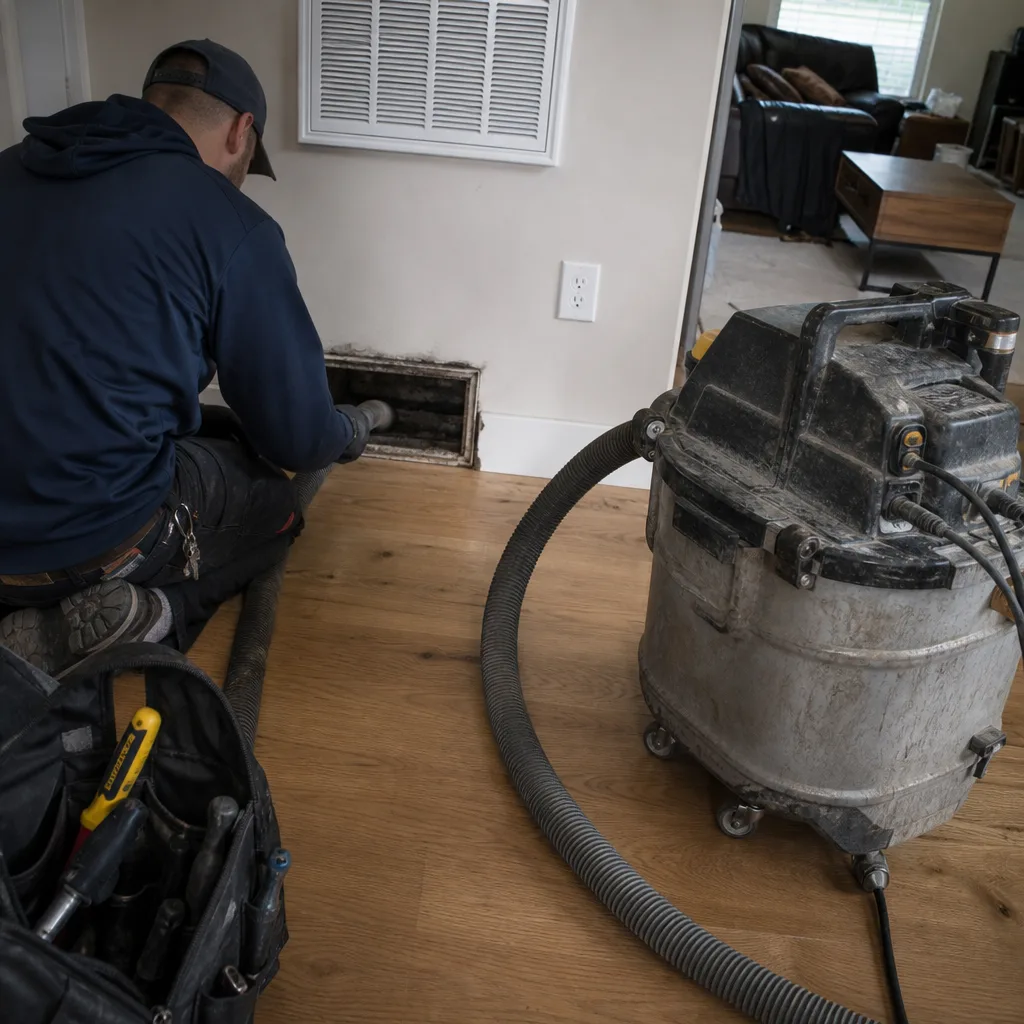 Before
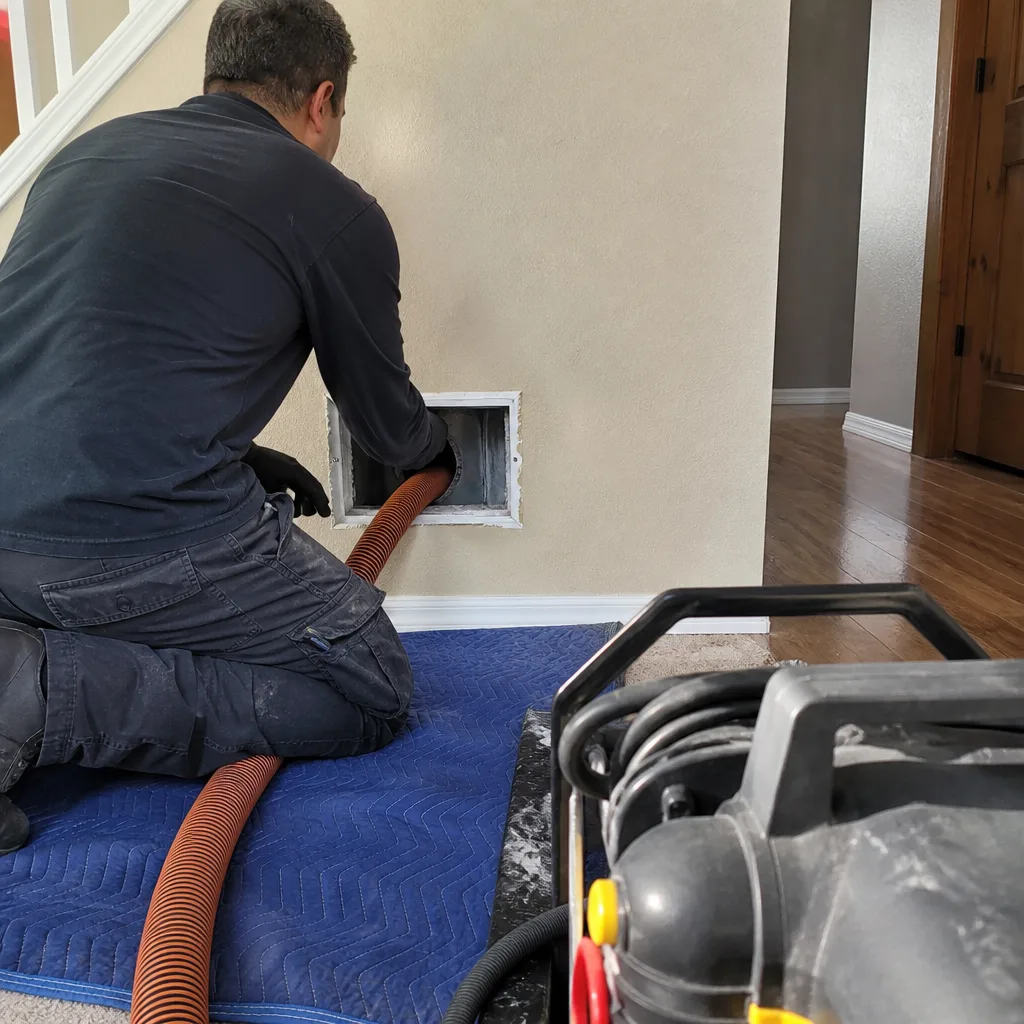 After
After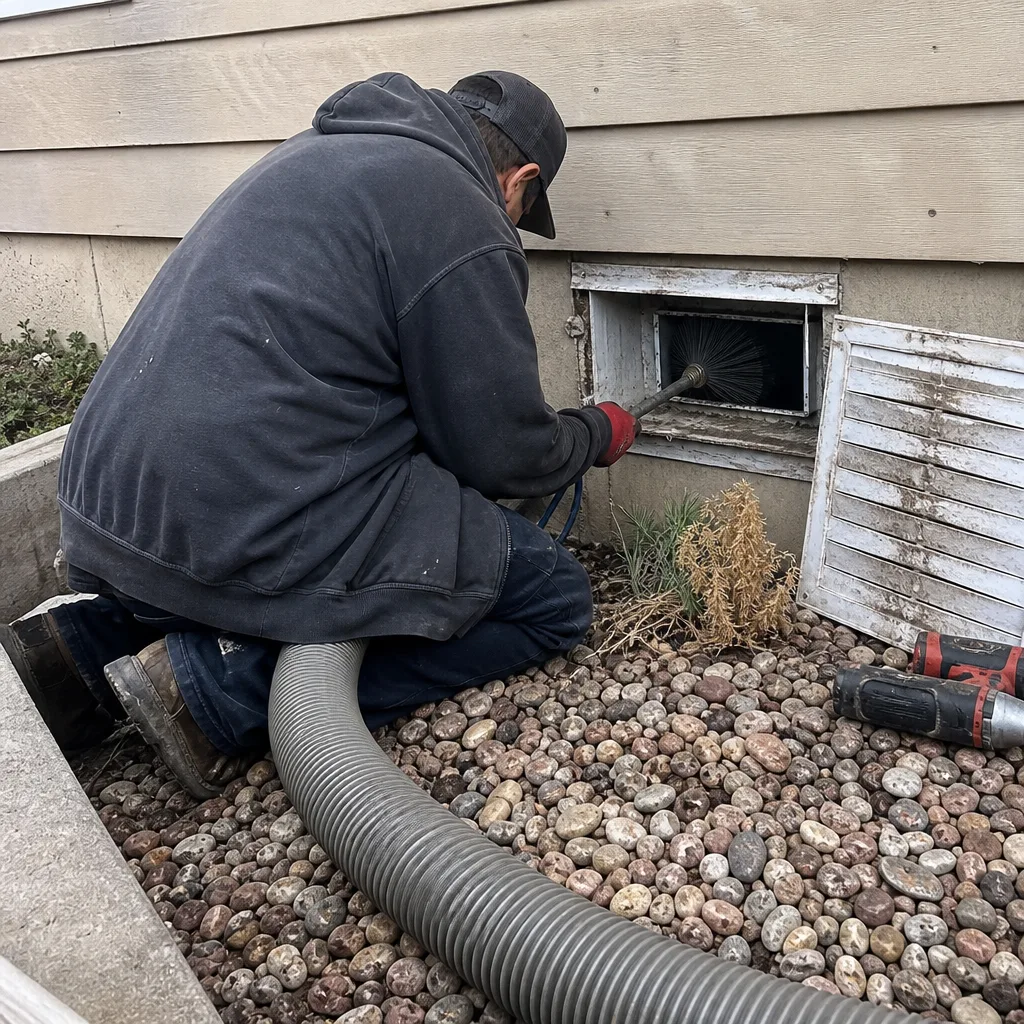 Before
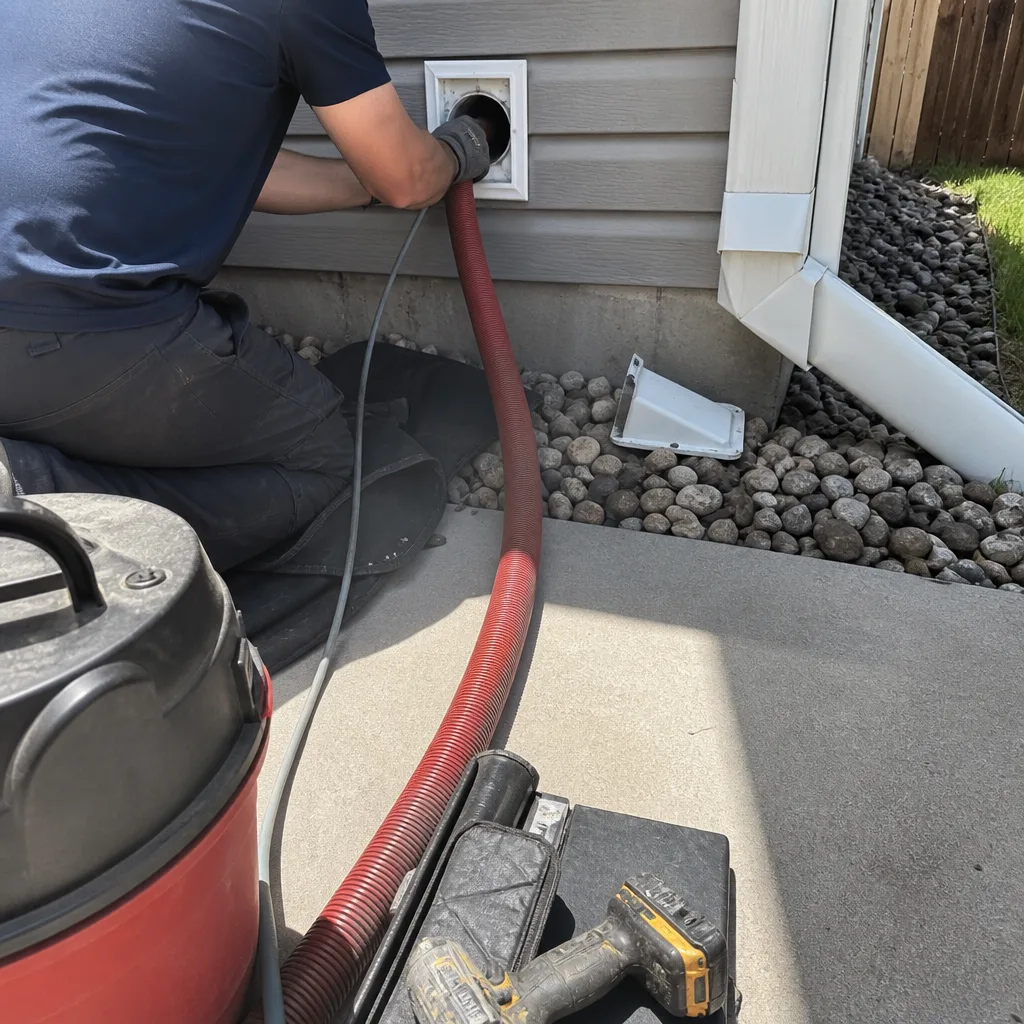 After
After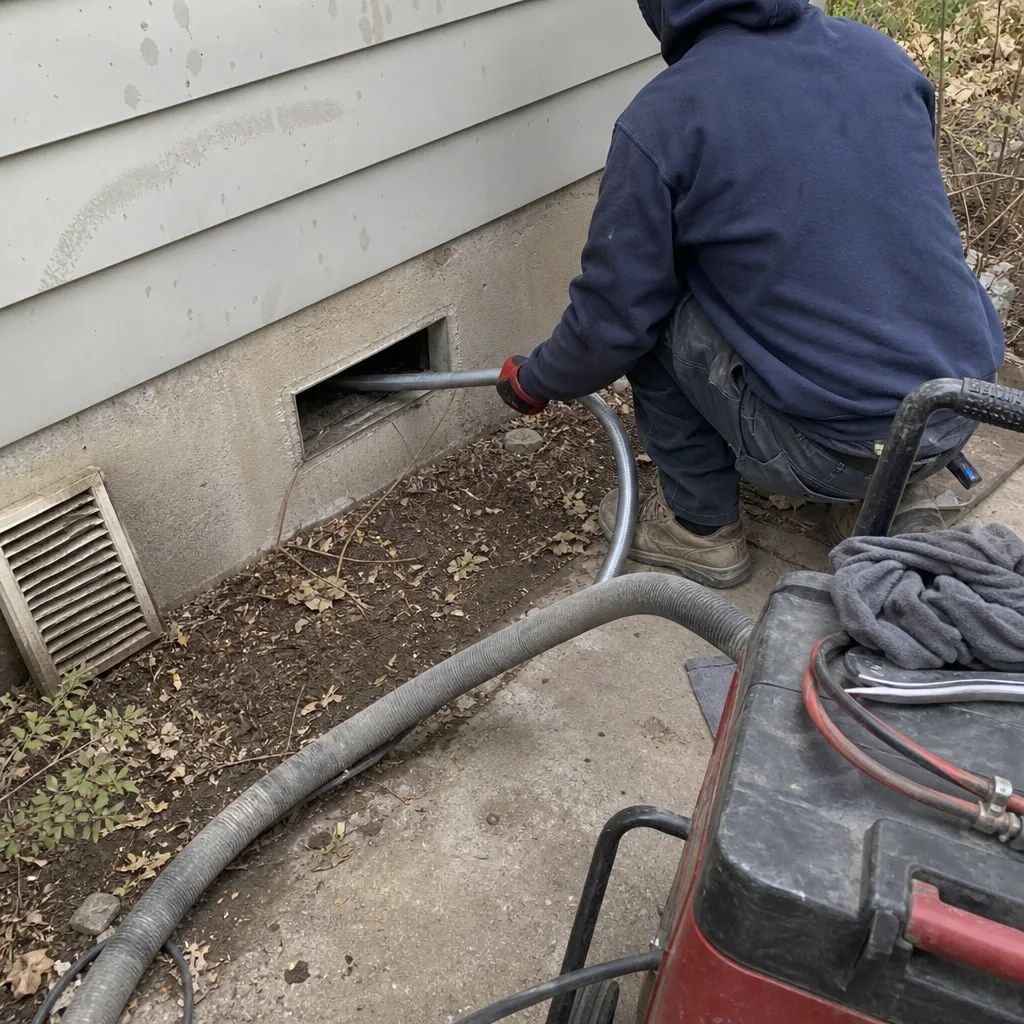 Before
 After
AfterThe Complete Guide to Air Duct Cleaning in Aurora
A shop-vac pulling air through one register opening moves roughly one-tenth the CFM needed to dislodge debris from a 2,000 square foot duct system. Yet that is the equipment behind most $79 Aurora specials. In this Air Duct Cleaning guide, we’ll show you how to distinguish documented duct cleaning from vacuum noise, what Aurora’s high-altitude dry climate and wildfire seasons mean for your system, and how to read a written scope of work before any technician removes your first vent cover. Whether you live in Tallyn’s Reach, Conservatory, or a 1980s ranch in Original Aurora, the same principle applies: the value is in the record, not the sales pitch.
Quick Answer
Professional air duct cleaning in Aurora typically costs $400-$900 for a whole-home system and should include a written price before work starts, a camera inspection with photo documentation of every duct run, and negative-pressure extraction using truck-mounted or professional portable equipment. Most Aurora homes benefit from cleaning every 3-5 years, though new construction, recent renovations, or wildfire smoke seasons may shorten that interval. For help deciding, see our DIY vs Professional Air Duct Cleaning: The Aurora Homeowner’s Decision Guide.
Table of Contents
- What Legitimate Duct Cleaning Actually Looks Like
- How Aurora’s Climate and Geography Affect Your Ducts
- How to Read a Before/After Photo Set
- Equipment Matters: Negative-Pressure Systems vs. Portable Units
- What a Written Scope of Work Should Include
- What Air Duct Cleaning Costs in Aurora
- How Often You Actually Need Duct Cleaning
- Common Mistakes to Avoid
- When to Call a Professional
- Frequently Asked Questions
BeforeAfterWhat Legitimate Duct Cleaning Actually Looks Like
The first thing a technician should show you is not a price list. It is what the camera saw inside your ducts.
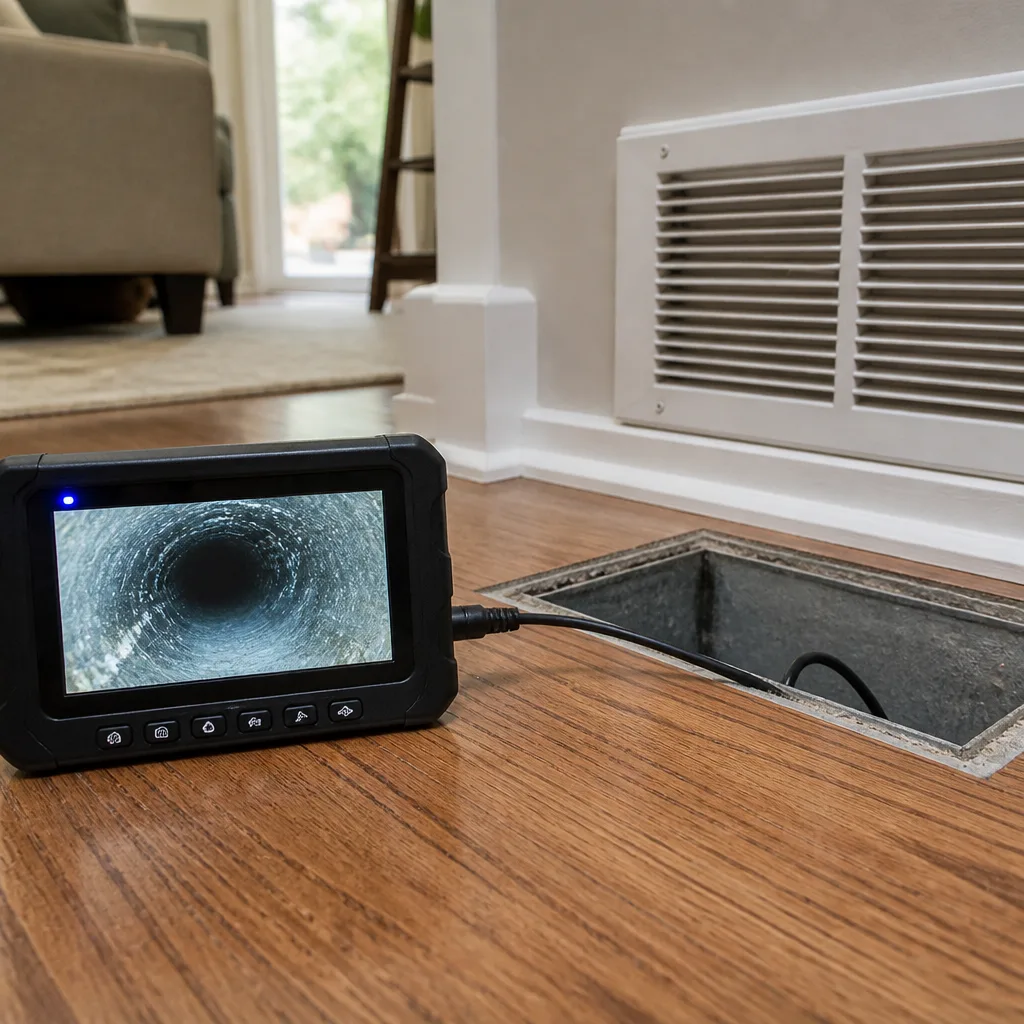
A legitimate pre-cleaning camera inspection documents three things: debris type, debris location, and debris density. The camera is threaded through the duct run on a flexible borescope, and the technician records video or still images at elbows, junctions, and the plenum (the central distribution box where heated or cooled air mixes before entering the branch lines). In our work across Aurora, we’ve found that debris accumulates differently in different decades of construction. Homes built during the 2003-2008 building boom often show construction dust compaction at the first elbow - drywall particulate that settled before the HVAC was ever switched on. Older homes in Hoffman Heights or Del Mar may show fibrous accumulation from degraded duct liner.
The inspection should produce a deliverable you can keep. At CleanRun, this is the Documented Photo Record, included on every visit since 2013. The customer receives dated, labeled images of every duct run: before, during if accessible, and after. This is not a marketing courtesy. It is the only way to verify that cleaning reached branch runs and not just the main trunk lines.
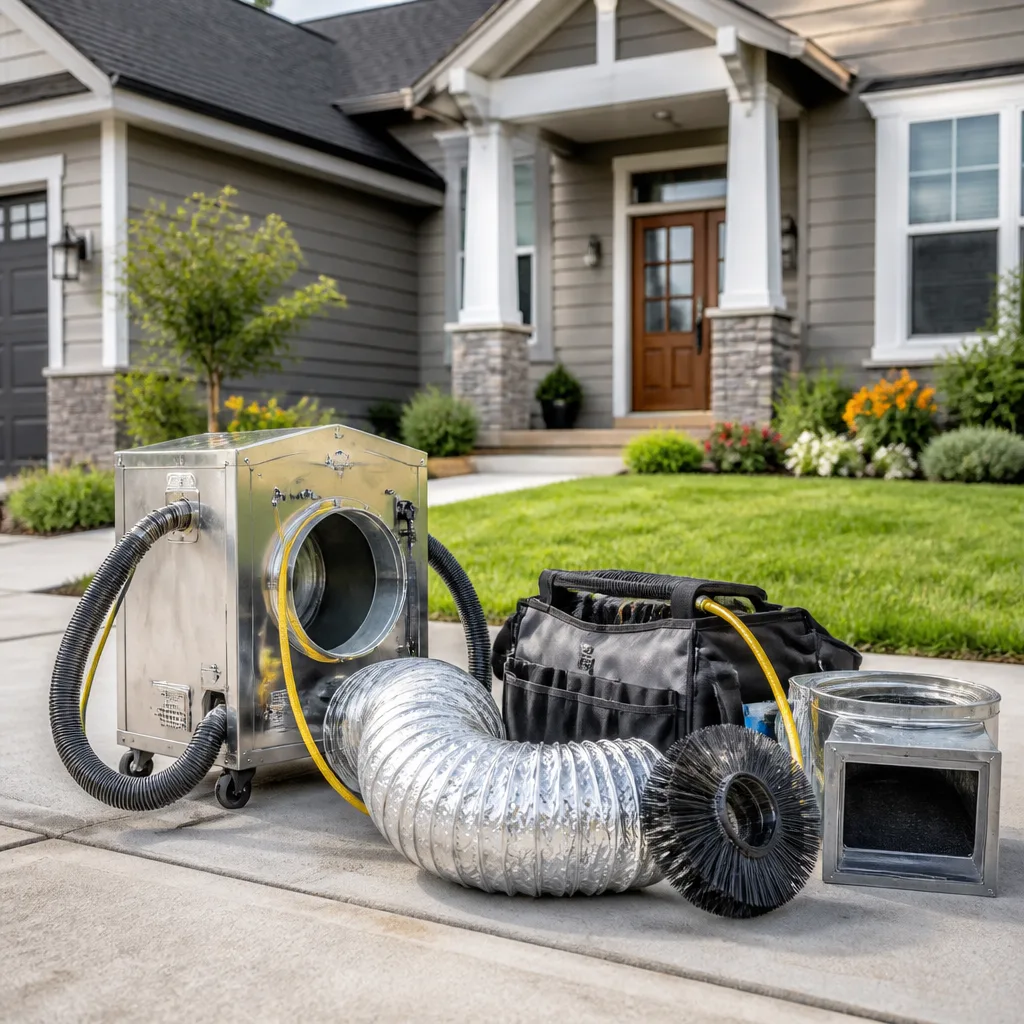
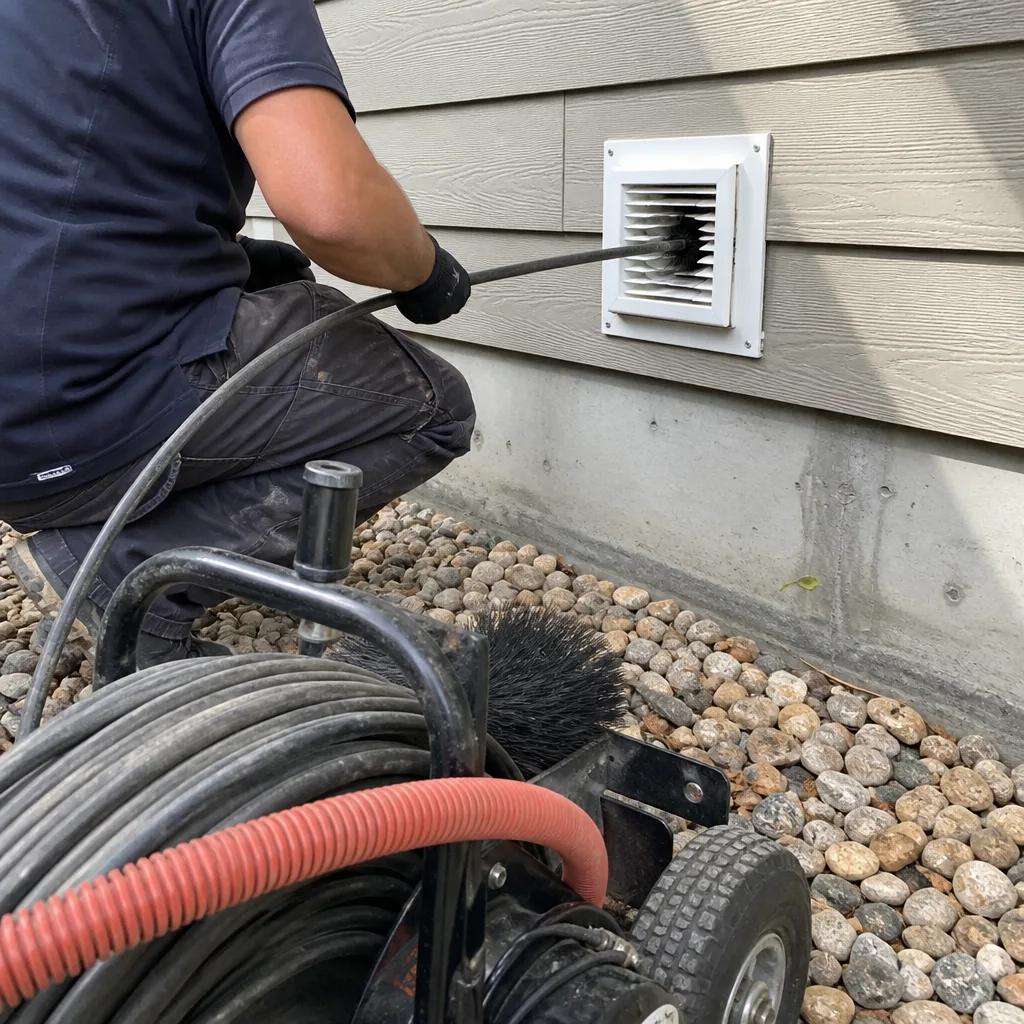
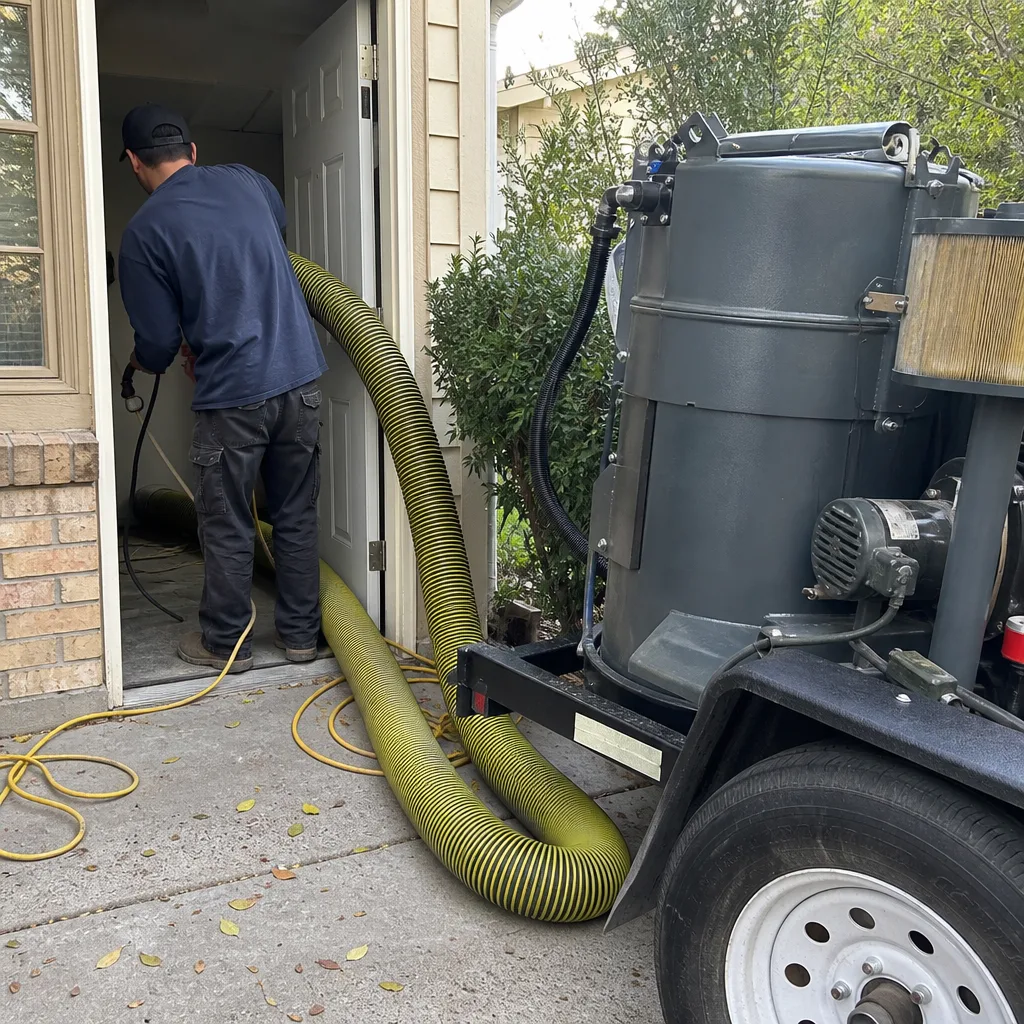
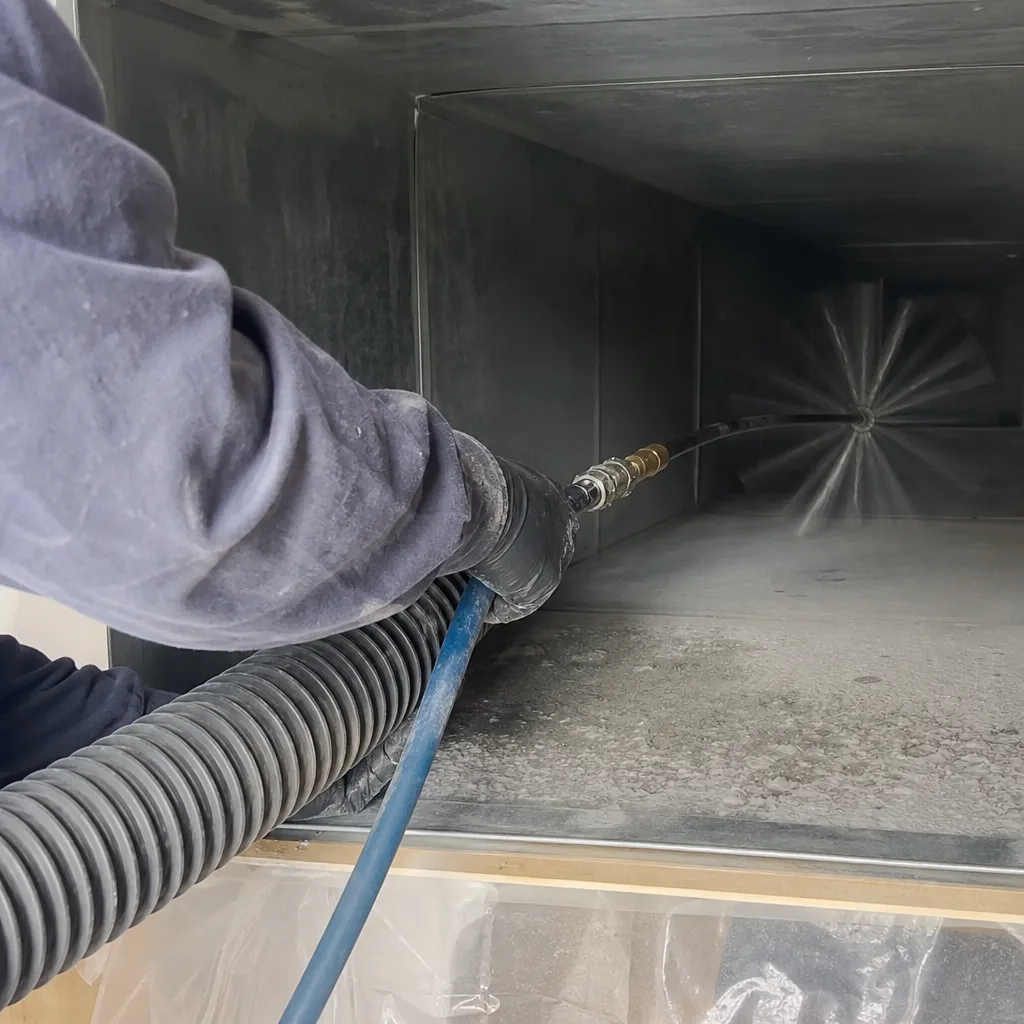
The cleaning itself should use negative-pressure extraction. A large vacuum - either truck-mounted or a high-CFM portable unit - is connected to the duct system near the air handler. This creates suction throughout the network. Agitation tools (rotary brushes, air whips, or skipper balls) are inserted at each register to dislodge debris, which is then carried by airflow to the collection point. The system remains under negative pressure throughout, so dislodged material exits the home rather than settling in your living space.
What you should receive when the crew leaves:
- A written scope of work, signed before work began, stating what was cleaned and what was not
- A dated photo record of every duct run, before and after
- A written warranty or guarantee with specific terms and duration
- Any recommendations for repairs or additional services, with separate pricing
Anything less is a service visit, not a documented cleaning.
How Aurora’s Climate and Geography Affect Your Ducts
Aurora sits at 5,471 feet above sea level in the high plains, and that elevation changes how your HVAC system behaves - and how contaminants accumulate inside it.
The air is dry. Relative humidity in Aurora routinely drops below 20% in winter and stays under 40% even in summer. Dry air means less moisture to bind dust particles together, so debris remains lighter and more mobile inside ducts. This is different from humid-climate accumulation, where moisture creates cohesive layers that are easier to see but harder to dislodge. In Aurora, fine particulate - pollen, wildfire ash, construction dust - can remain suspended in airflow longer and travel deeper into branch runs before settling.
Wildfire smoke infiltration has become a seasonal factor. The Marshall Fire in 2021 and subsequent Front Range fire seasons introduced a new contaminant profile: ultrafine particulate and volatile organic compounds that standard HVAC filters do not capture. Smoke particles in the 0.4-1.0 micron range can bypass pleated filters and accumulate in ductwork, particularly at low-velocity zones near register terminations. We’ve documented ash residue in Aurora homes more than 15 miles from active fire perimeters, typically appearing as a gray film on the duct walls that differs in texture from household dust.
Construction activity is another local factor. Aurora’s growth - particularly in southeastern developments like Southshore and Tollgate Crossing - generates sustained ambient dust loads. New construction near established neighborhoods means excavation, grading, and vehicle traffic that elevates particulate counts for months. Homes with fresh air intakes or older duct seals are especially susceptible. In Original Aurora and areas near the Anschutz Medical Campus renovation zones, we’ve found construction-grade silica dust in systems that had no direct exposure to building sites.
Finally, temperature swing stress affects duct seals. Aurora sees 30-degree daily swings routine in spring and fall. Metal ductwork expands and contracts; flex duct degrades at connection points. Leaky returns pull attic or crawl space air into the system, introducing contaminants that bypass the filter entirely. A camera inspection often reveals the problem is not dirty ducts but unfiltered air entering through gaps the homeowner cannot see.
How to Read a Before/After Photo Set
The photo record is your only protection against a cosmetic cleaning. Here’s how to evaluate what you’re shown.
Check the metadata or labels. Each image should identify the duct run: “Master bedroom supply, run 3-B” or “Kitchen return, main trunk.” Vague labels like “before” and “after” without location data are worthless. At CleanRun, every image is tagged to the floor plan register map created during the initial walkthrough.
Look for branch run coverage. The main trunk lines are wide, straight, and easy to clean. Branch runs - the smaller lines feeding individual rooms - are where debris accumulates and where equipment often fails to reach. A legitimate photo set shows elbows, reducers, and register boots, not just the accessible trunk. If every “after” image looks like the same wide duct, ask why.
Examine debris type, not just quantity. Household dust is fibrous and gray-brown. Construction dust is granular and pale. Smoke residue is fine and dark gray, often with an oily sheen. Mold, if present, shows as spotty growth on metal, not loose debris. The photo record should let you identify what was removed, not just that something was removed.
Verify date and time stamps. Before and after images from the same run should show sequential timestamps. A gap of hours suggests the crew cleaned, left, and returned for photos - or used stock images.
Ask for the uncleaned comparison. Haven Standard Clause 1 requires a written price before work starts. Part of that price justification should be the pre-cleaning inspection footage. If you are shown “after” photos without corresponding “before” images from the same location, you are being sold a story, not a service.
Equipment Matters: Negative-Pressure Systems vs. Portable Units
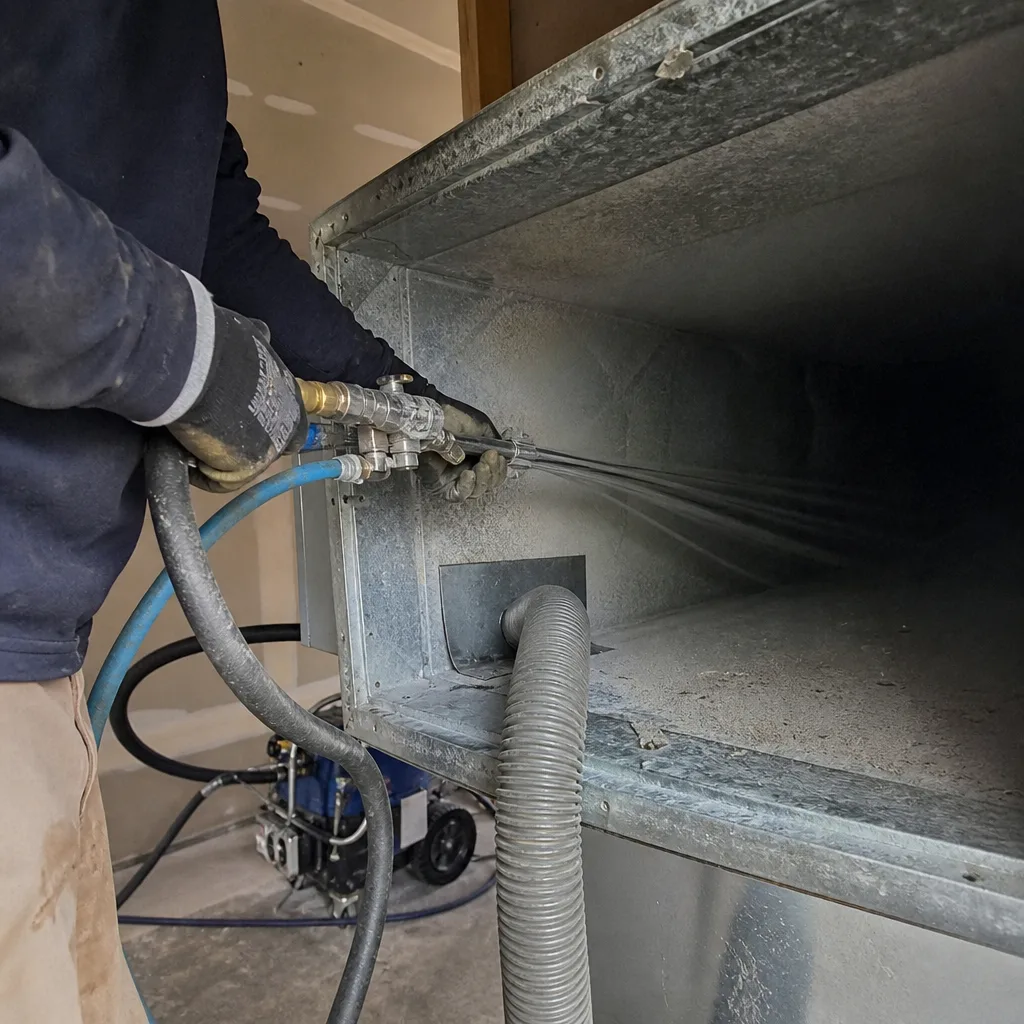
CFM - cubic feet per minute - is the number that matters. Everything else is description.
A legitimate whole-system duct cleaning requires sufficient airflow to maintain negative pressure across all open registers simultaneously. Truck-mounted systems typically deliver 10,000-15,000 CFM through a large-diameter hose connected directly to the duct network. This volume creates the suction needed to pull dislodged debris from branch runs back to the collection point.
Portable units vary widely. Professional-grade portables from manufacturers like Nikro and Abatement Technologies range from 2,000-5,000 CFM - adequate for smaller systems or when truck access is impossible, but requiring longer run times and more careful sealing of unused registers. The shop-vac units used in cut-rate services typically deliver under 200 CFM. They can clean a single register opening. They cannot clean a system.
Agitation tools matter too. Rotobrush systems use a rotating brush head on a flexible cable, physically contacting duct walls to dislodge adhered debris. Air whips and skipper balls use compressed air to create turbulence. The appropriate tool depends on duct material: metal ducts tolerate brush contact; flex duct requires gentler agitation to avoid tearing the liner. In Aurora’s older neighborhoods, we encounter mixed systems - metal trunks with flex branches - that require tool changes mid-job.
Equipment brands to verify:
- Rotobrush: Rotating brush systems for contact agitation in metal ductwork
- Nikro: Portable and truck-mounted negative-pressure collection systems
- Abatement Technologies: HEPA-filtered containment and portable extraction units
- Honeywell / Aprilaire: Whole-house air cleaners and media filters (installed post-cleaning, not cleaning equipment itself)
A technician should be able to tell you the CFM rating of their vacuum and the manufacturer of their agitation tools without checking a manual. If they cannot, they may not know what they are using - or why.
What a Written Scope of Work Should Include
Haven Standard Clause 1 is explicit: the price is written before work starts. But the scope of work is equally important - learn How to Hire a Air Duct Cleaning Contractor in Aurora: A Step-by-Step Guide to protect yourself. It defines what you are paying for and protects both parties from scope creep.
A proper written scope includes:
- System identification. Number of supply registers, return registers, and main trunk lines. The square footage of conditioned space. The approximate linear footage of ductwork if known.
- Access points. Where the technician will cut access panels (if needed) and how those cuts will be sealed afterward. In Aurora, this matters for code compliance: any access panel in a plenum must maintain fire rating if the plenum serves as a return air path.
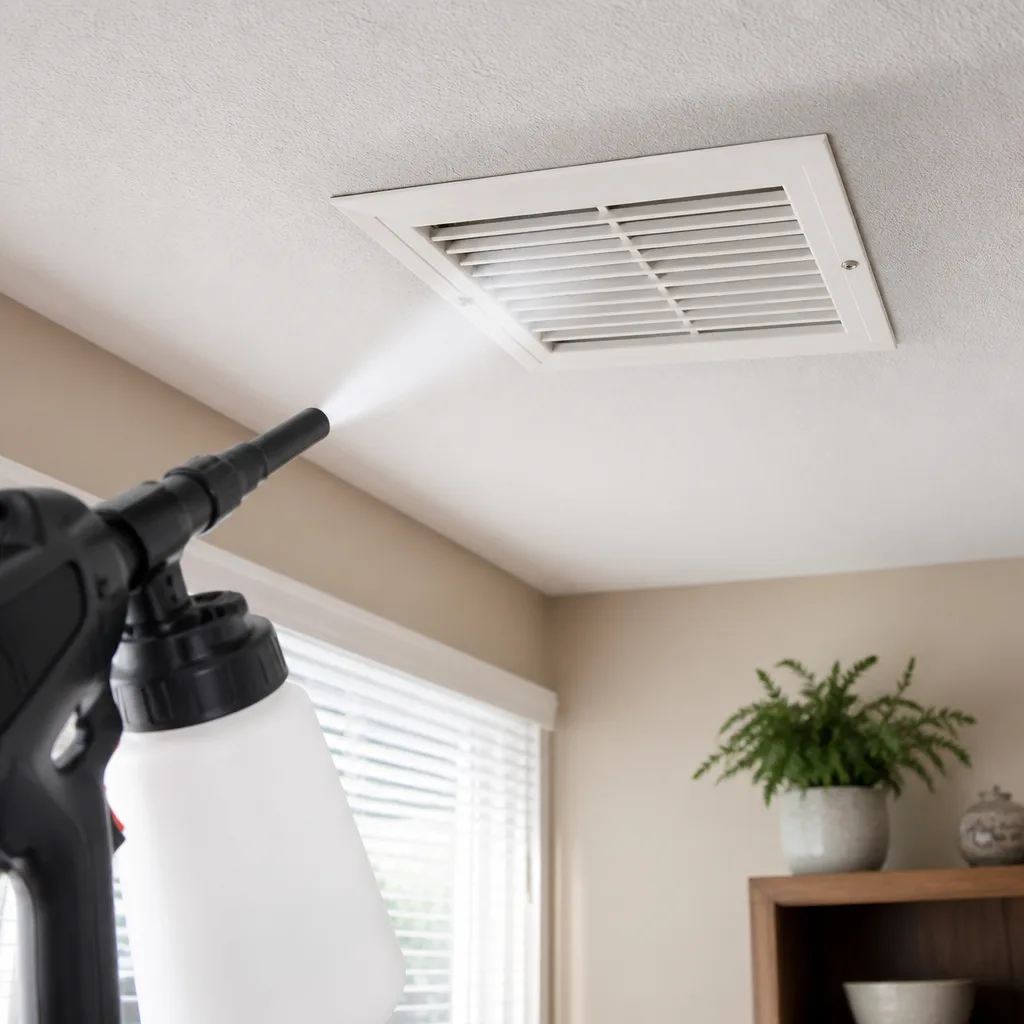
- Equipment specification. The vacuum CFM, agitation tool type, and any sanitizing or sealing products to be applied, with manufacturer names.
- What is excluded. This is the clause that separates professionals from operators. If the coil, blower, or dryer vent is not included, it should be stated. If sanitizing is optional and priced separately, that should be clear.
- Photo documentation commitment. Number of runs to be photographed, before/after requirement, and delivery format (digital, printed, cloud access).
- Price and payment terms. Total price, any per-system or per-square-foot calculation basis, and when payment is due. At CleanRun, payment is not collected until the photo record is reviewed with the customer.
- Warranty terms. Duration, coverage, and process for claims. The 365-Day Done Right Promise specifies that CleanRun will return to correct any deficiency in the documented scope - not a generic “satisfaction guarantee” but a written obligation tied to the specific work performed.
The scope should be signed by both parties before any panel is removed. A verbal estimate, a texted price, or a “we’ll figure it out when we get there” approach violates the basic standard of accountability.
What Air Duct Cleaning Costs in Aurora
Honest whole-system pricing in the Aurora market falls in a predictable range. Prices below this range typically indicate equipment or documentation corners being cut. Prices above may reflect legitimate add-ons or may not.
| Service Component | Typical Aurora Range |
|---|---|
| Whole-home air duct cleaning (1 system, up to 2,500 sq ft) | $400 - $700 |
| Whole-home air duct cleaning (larger home or 2 systems) | $600 - $900 |
| HVAC coil and blower cleaning (add-on) | $150 - $300 |
| Dryer vent cleaning (add-on or standalone) | $120 - $250 |
| Duct sanitizing / antimicrobial application | $100 - $200 |
| Duct sealing (Aeroseal or manual mastic) | $500 - $1,500+ |
These are whole-system prices, not per-vent pricing. Per-vent pricing is a common bait-and-switch structure: a low base rate for “up to 10 vents” with surcharges for additional vents, returns, or “deep cleaning” that was never defined. The typical Aurora home has 10-20 supply registers and 2-4 returns. A per-vent quote that seems competitive at $39/vent becomes $780 at 20 vents - with no documentation that all 20 were actually cleaned.
The CleanRun approach, established in 2013 and applied to all 52,000+ homes served: one flat price per system, agreed in writing before work starts, based on square footage and system count, with no per-vent arithmetic. If the scope changes during inspection - an inaccessible duct run, a damaged section requiring repair - the change is written and signed before proceeding.
Free Second Opinion on Any Written Estimate: bring a competitor’s written quote; CleanRun puts its own number next to it in writing, with no obligation.
How Often You Actually Need Duct Cleaning
The 3-5 year interval is a reasonable baseline for most Aurora homes with standard fiberglass or pleated filters changed on schedule. But several local factors may justify earlier or more frequent service.
New construction or major renovation: If your home was built or significantly renovated in the past 2 years, construction dust may still be compacting in low-velocity zones. We recommend an initial cleaning at 12-18 months post-construction, with camera verification.
Wildfire smoke exposure: After significant smoke events - the Marshall Fire, 2022’s Front Range season, or any period with visible haze and AQI above 150 - consider inspection even if your interval is not due. Smoke particulate is small enough to evade standard filtration and may accumulate without visible symptoms at registers.
Pets or respiratory conditions: Homes with multiple pets, or where occupants have asthma or allergies, may benefit from 2-3 year intervals with higher-grade filtration between cleanings. Honeywell and Aprilaire whole-house media filters, properly sized and changed, reduce but do not eliminate the need for periodic duct cleaning.
Visible mold or pest evidence: Any musty odor, visible growth near registers, or rodent/insect activity requires immediate inspection, not scheduled cleaning. These are remediation scenarios, not maintenance.
System performance changes: Uneven heating or cooling, sudden increases in dust at registers, or reduced airflow at distant rooms may indicate blockage or leakage, not just dirt. A camera inspection diagnoses; cleaning treats only if cleaning is the actual problem.
Common Mistakes to Avoid
- Booking based on coupon price alone. The $79 Aurora special pays for a truck roll and 45 minutes of vacuum noise. It does not pay for equipment capable of whole-system cleaning, camera inspection, or documentation. The business model depends on upselling once inside your home.
- Accepting verbal condition reports. “Your ducts are really dirty” is not a diagnostic. Demand dated, labeled images from your specific system, with location data for each duct run.
- Ignoring the return side. Returns pull air from your living space back to the air handler. They are often dirtier than supplies, especially if filters have been missing or poorly fitted. A scope that only mentions supply registers is incomplete.
- Assuming new homes are clean. Construction dust in Aurora’s fast-build developments often bypasses initial rough-in protection. We’ve found substantial debris in homes still under builder warranty.
- Confusing duct cleaning with duct sealing. Cleaning removes debris. Sealing closes leaks. They are separate services with separate equipment and pricing. A company that offers both should explain which you need and why, not default to the higher-revenue option.
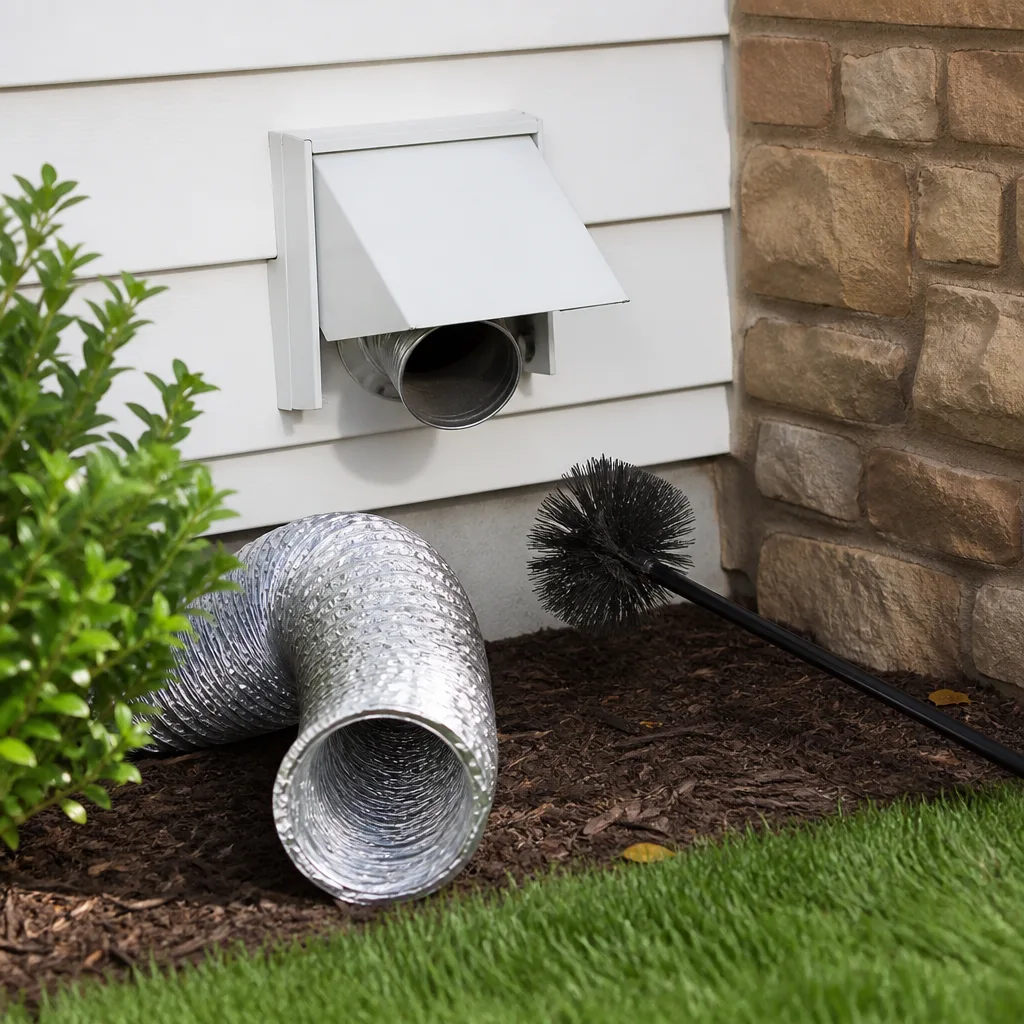
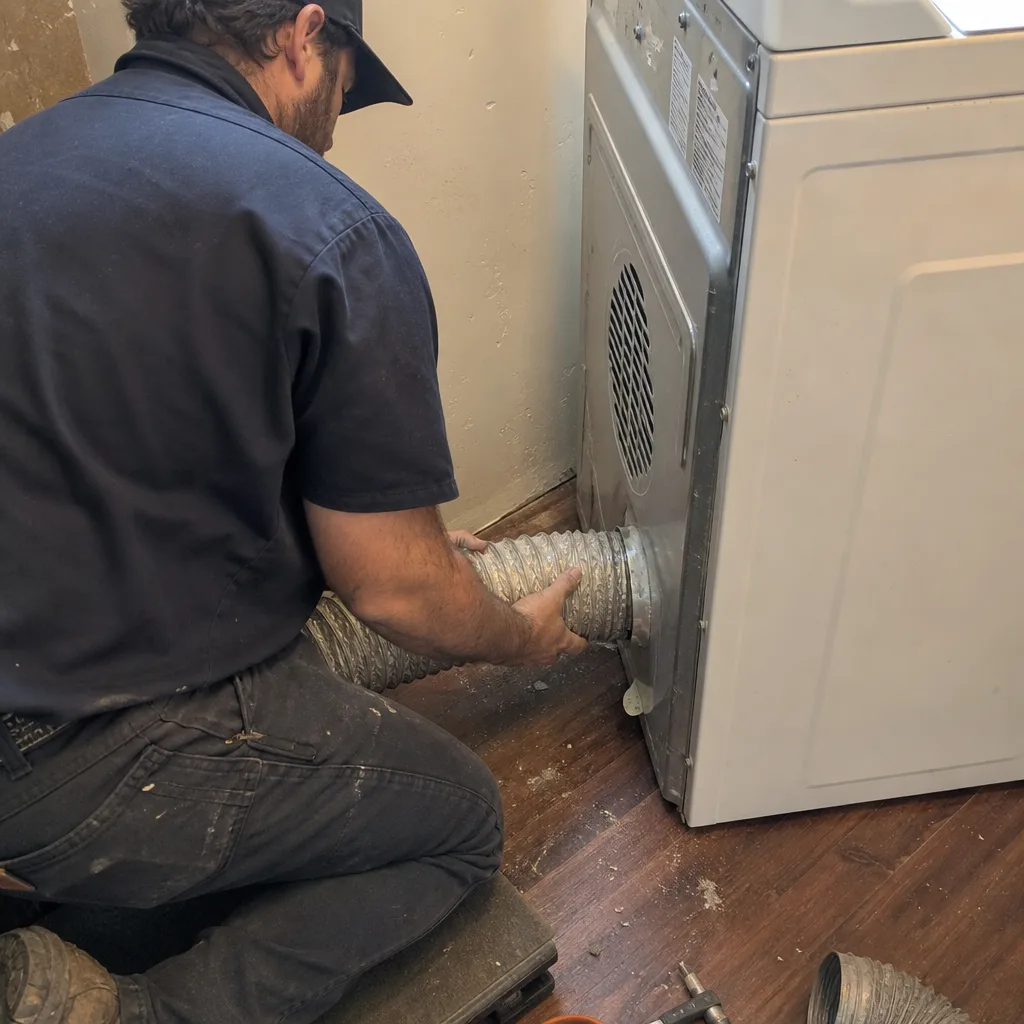
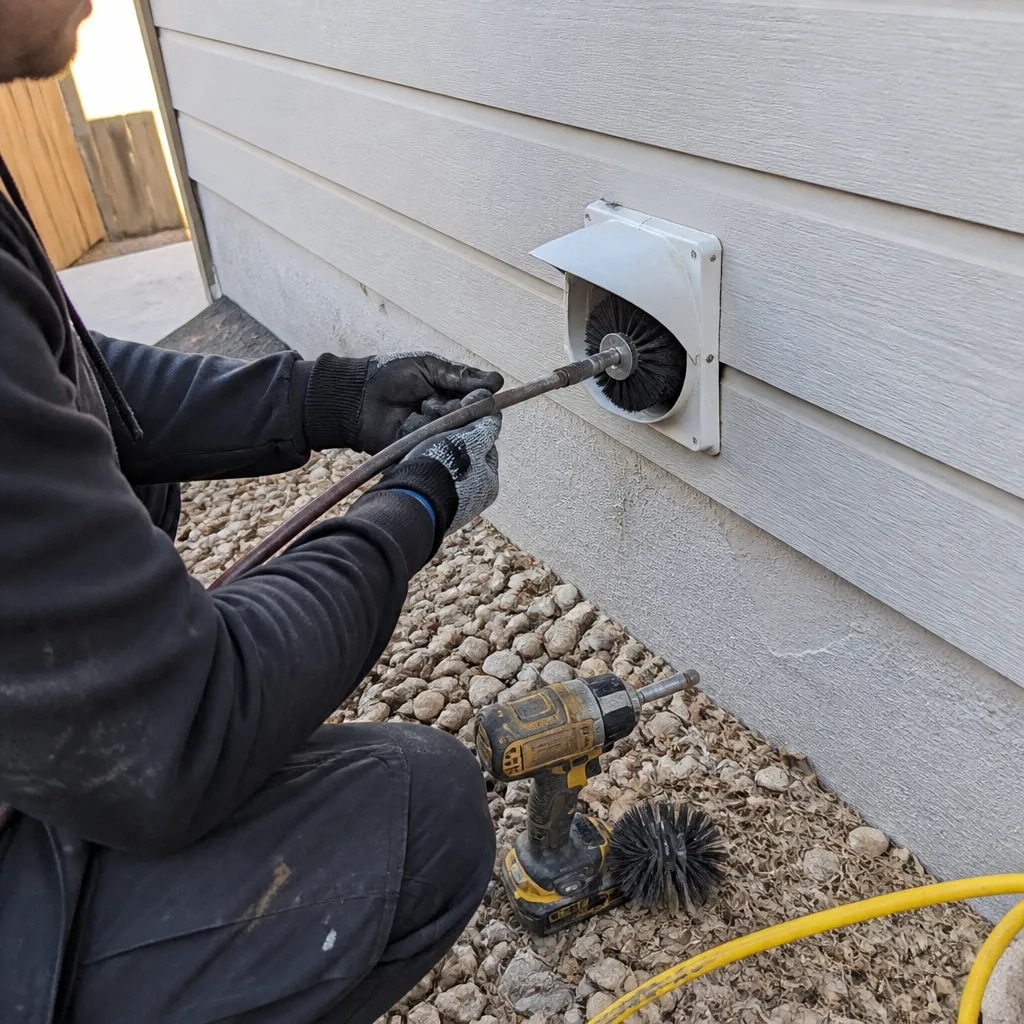
- Neglecting the dryer vent. Dryer vent cleaning in Aurora is often bundled with duct cleaning for good reason: lint accumulation is a genuine fire hazard, and the same documentation standards apply. A company that cleans ducts but won’t photograph your dryer vent may not document either properly.
- Failing to verify technician identity. Haven Standard Clause 3: Verified Crews. You should receive the technician’s name and background-check verification before arrival, not when the doorbell rings.
When to Call a Professional
Call for inspection, not just cleaning, when you notice uneven airflow, visible debris at registers, musty odors when the system cycles, or after any significant smoke or construction event. Call immediately if you see pest droppings, moisture, or mold-like growth - these require remediation, not maintenance scheduling.
For documented, accountable service in Aurora, CleanRun Air Duct Cleaning Aurora offers free estimates with written pricing before any work begins. Every job includes the Documented Photo Record, the 365-Day Done Right Promise, and crews operating under the full H.A.V.E.N. Standard. Call (720) 513-5159 to schedule or to request a Free Second Opinion on any written estimate you’ve received.
Frequently Asked Questions
Whole-home air duct cleaning in Aurora typically costs $400-$900 depending on home size, system count, and whether add-ons like coil cleaning or sanitizing are included. Per-vent pricing structures often result in higher final bills than flat-rate whole-system quotes. Call (720) 513-5159 for a written estimate with no obligation - estimates are free and include a preliminary scope discussion.
Low quotes typically reflect portable shop-vac equipment insufficient for whole-system cleaning, no camera inspection or documentation, and business models dependent on in-home upselling. A legitimate service has fixed costs: professional extraction equipment, HEPA containment, camera systems, insurance, and technician wages. For more guides & resources on spotting quality providers, explore our blog. A price that does not cover these costs is not a discount; it is a different service entirely, one that may leave your system unchanged.
Require a dated, labeled photo record of every duct run before and after cleaning, with location data matching your home’s register layout. Review these images with the technician before payment. At CleanRun, the photo record is delivered as a standard job deliverable, not an optional extra, and payment is not collected until the documentation is reviewed.
Most Aurora homes need cleaning every 3-5 years with standard filter maintenance. New construction, recent renovations, wildfire smoke exposure, or homes with multiple pets may need 2-3 year intervals. The high-altitude dry climate keeps debris mobile, so accumulation is less visible but may travel deeper into branch runs than in humid climates.
Air duct cleaning addresses the distribution network: supply and return ducts, registers, and grilles. HVAC cleaning in Aurora includes the air handler components: evaporator coil, blower assembly, and sometimes the condensate pan. They are distinct services; duct cleaning alone does not address coil contamination, and coil cleaning alone does not address duct debris. A complete scope may include both, priced separately.
Altitude affects HVAC system design and airflow dynamics, but not cleaning methodology directly. The relevant local factor is dryness: low humidity means debris remains particulate rather than clumping, requiring adequate CFM to capture it rather than redistribute it. Wildfire smoke particulate, increasingly common in Aurora’s fire seasons, is small enough to require HEPA-rated containment on the extraction equipment - a standard that not all operators maintain.
The Bottom Line
Most Aurora homeowners do not have dirty ducts. They have ducts that have never been documented - which means they have no basis to know whether cleaning is needed, whether previous cleaning was effective, or whether the next quote is honest. The complete guide to air duct cleaning in Aurora comes down to four practices: a written price before work starts, a camera inspection with deliverable photo record, negative-pressure extraction with verifiable equipment, and a written guarantee tied to the specific work performed. Anything less is a visit. Anything more is sales pressure. The documentation is the service.
Written by Tomas Reyes, Owner at CleanRun Air Duct Cleaning Aurora, serving Aurora since 2013.