
Last updated September 23, 2026
Whole-system duct and dryer vent check with before-and-after photos - you see exactly what came out of your vents
That "$99 whole-house special" is a bait ad - the real number appears once they are in your hallway, or the "clean" is a shop-vac at the register. We photograph the inside of your ducts before and after instead.
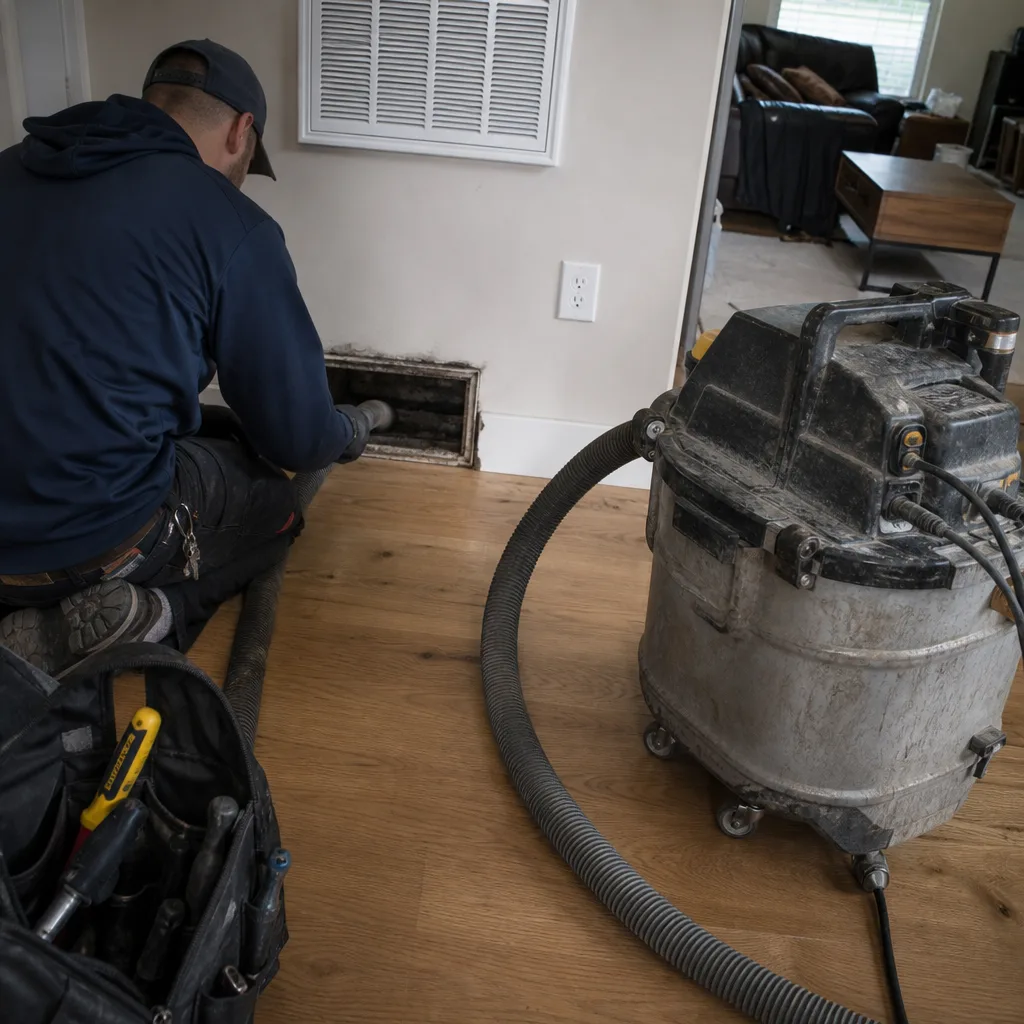 Before
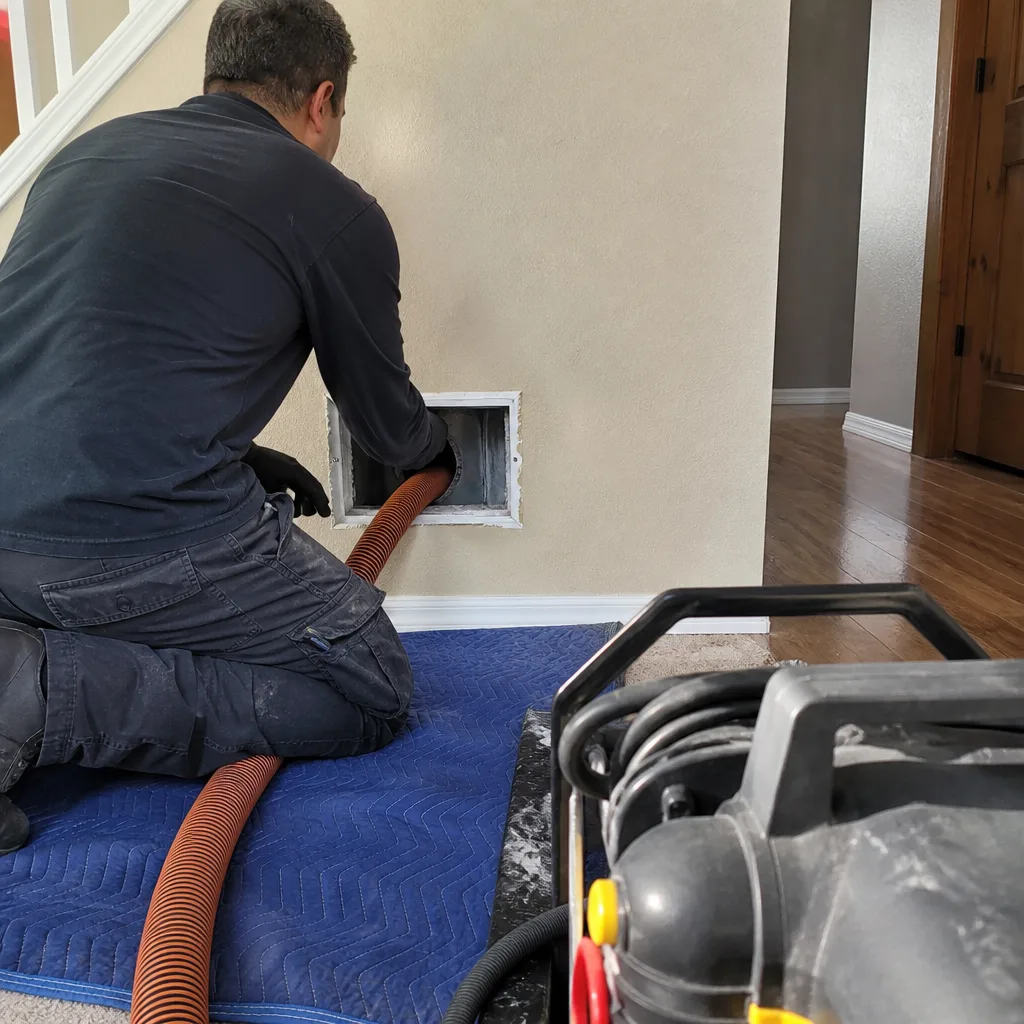 After
After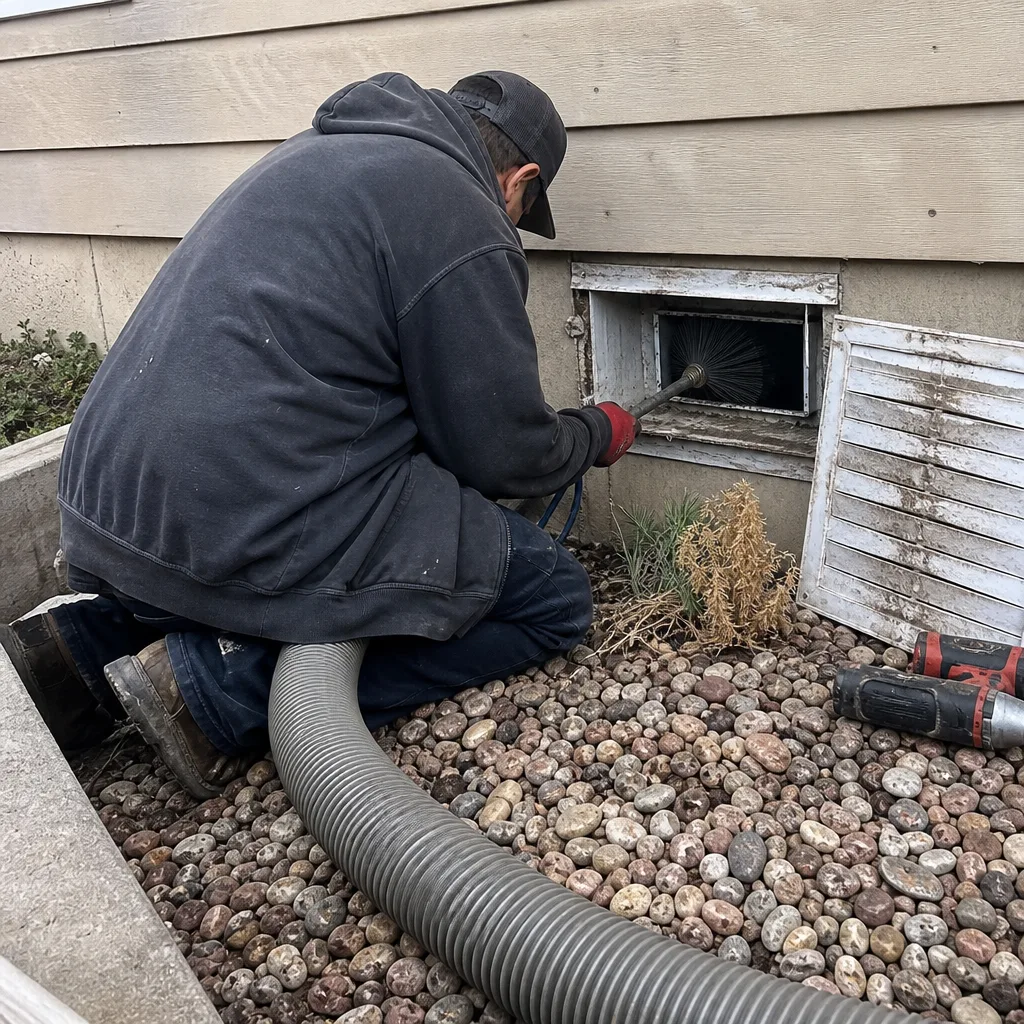 Before
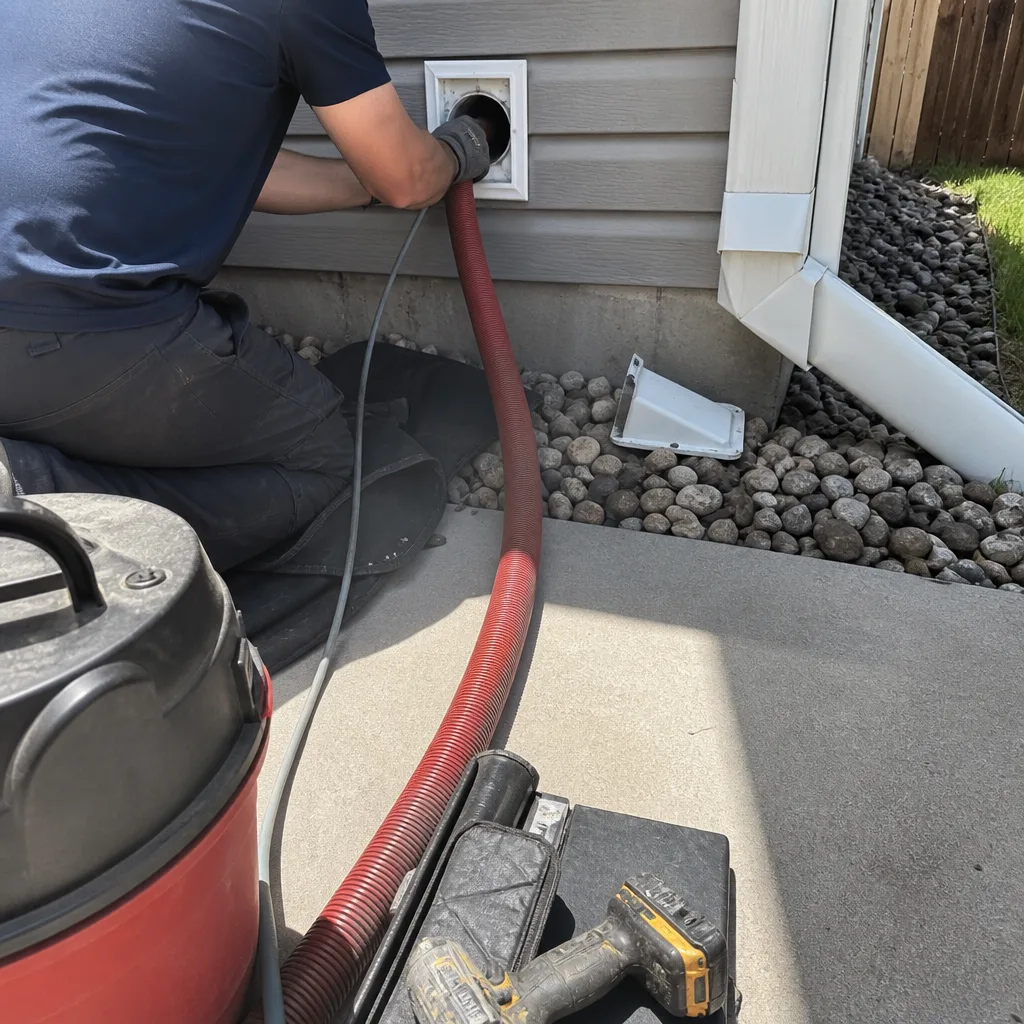 After
After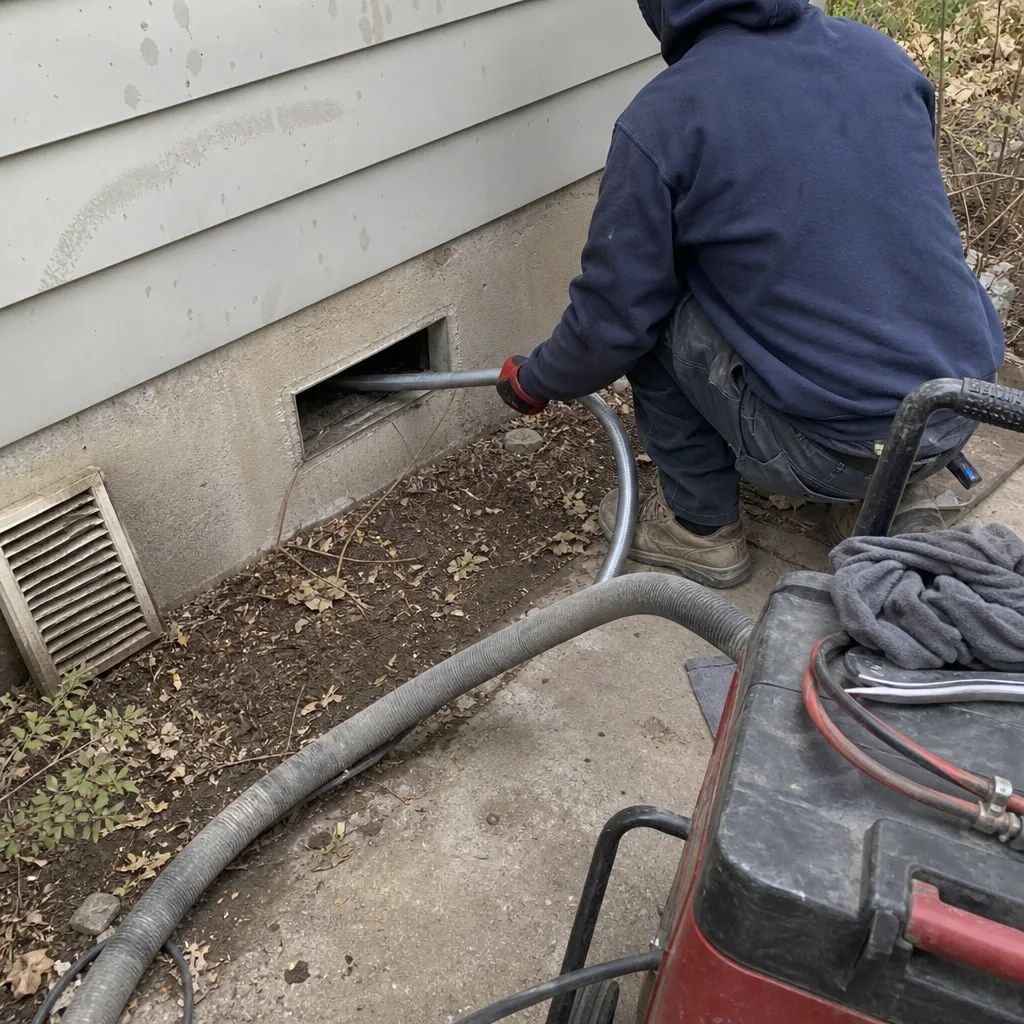 Before
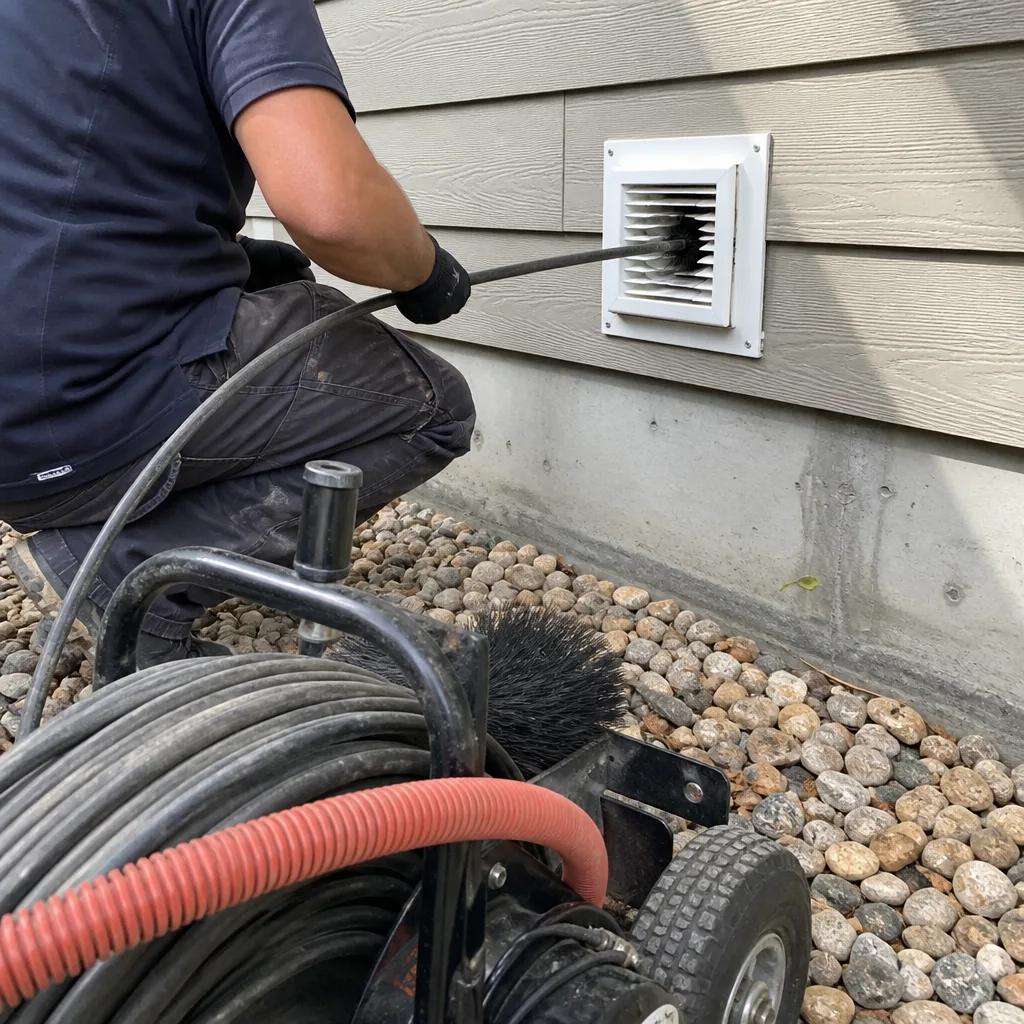 After
AfterHow to Hire a Air Duct Cleaning Contractor in Aurora: A Step-by-Step Guide
NADCA estimates that 72% of air duct cleaning complaints involve companies that never provided a written scope of work - a document that takes a legitimate contractor less than five minutes to produce. In Aurora, where new construction in neighborhoods like Southshore and Tollgate Crossing has drawn door-to-door solicitation crews every spring since 2019, that statistic matters more than most homeowners realize. This guide shows you the exact documents to request, the questions that expose bait-and-switch pricing, and the equipment details that separate real negative-pressure extraction from a shop-vac run through your registers. By the end, you’ll know how to hire a contractor who can show you what they found before they ask for payment.
Quick Answer
Hiring an air duct cleaning contractor in Aurora means requesting four documents before scheduling - a written quote, a detailed scope of work, proof of NADCA certification or equivalent training, and a current liability insurance certificate - then verifying that the contractor performs a pre-job camera inspection and delivers dated before-and-after photos of every duct run as part of the standard job record. The lowest quoted price is rarely the most accurate; legitimate Aurora contractors typically charge $400-$900 for a whole-home system depending on square footage, HVAC configuration, and contamination level.
Table of Contents
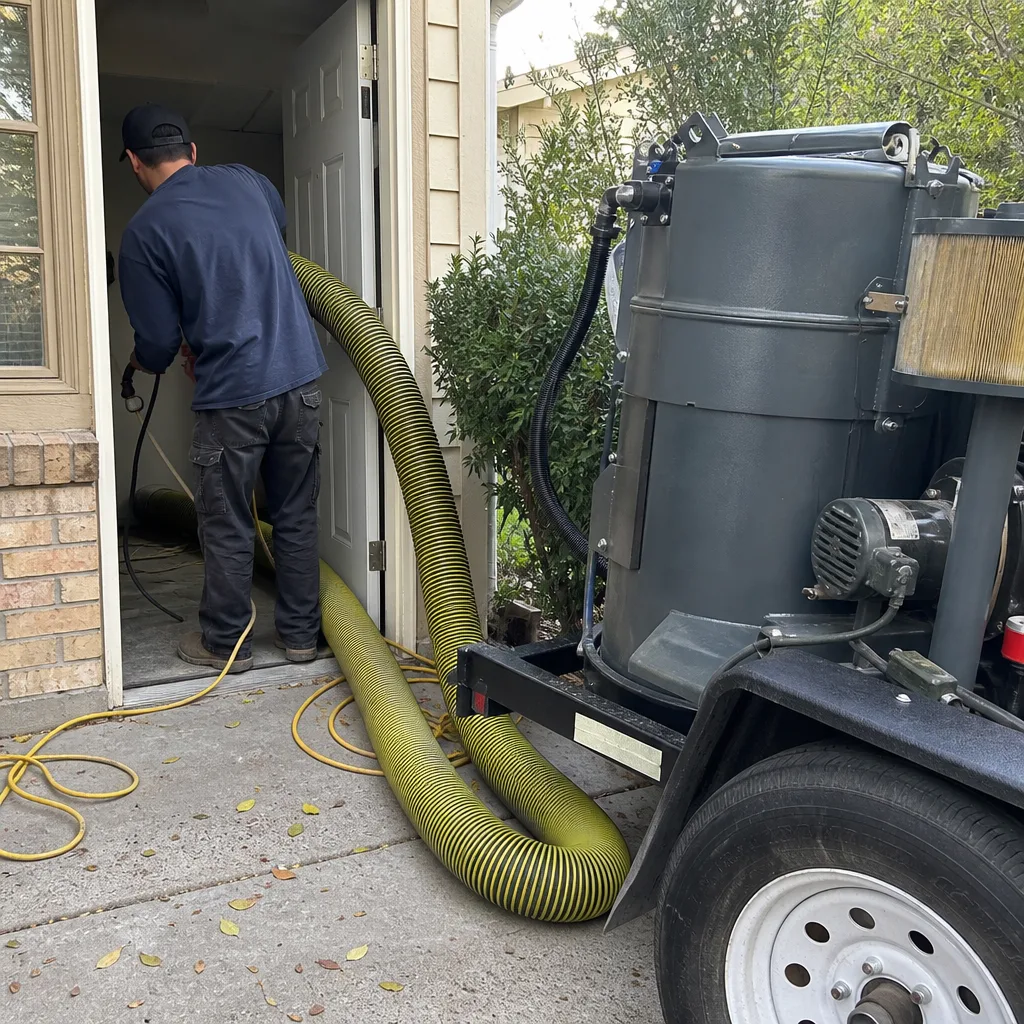
- The Four Documents to Request Before You Schedule
- Why a Pre-Job Camera Inspection Determines Your Real Price
- Red Flags Specific to Aurora’s Market
- How to Compare Quotes When Equipment Differs
- What Your Contract Should Say About Post-Job Documentation
- What Air Duct Cleaning Actually Costs in Aurora
- Common Mistakes to Avoid
- When to Call a Professional
- Frequently Asked Questions
- The Bottom Line
BeforeAfterThe Four Documents to Request Before You Schedule
Every legitimate contractor in Aurora should be able to produce these four documents without hesitation. If any one is missing, you’re not comparing prices - you’re comparing a documented service to a verbal promise.
1. Written Quote with System-Level Pricing
The quote should specify a single price for the complete duct system, not a per-register or per-vent rate. Per-vent pricing is the industry’s most reliable predictor of a bait-and-switch operation. A typical Aurora home built between 2015 and 2025 has 12-18 supply registers and 3-5 return registers; a per-vent quote of $39 sounds reasonable until it multiplies to $780 before the crew touches a panel.
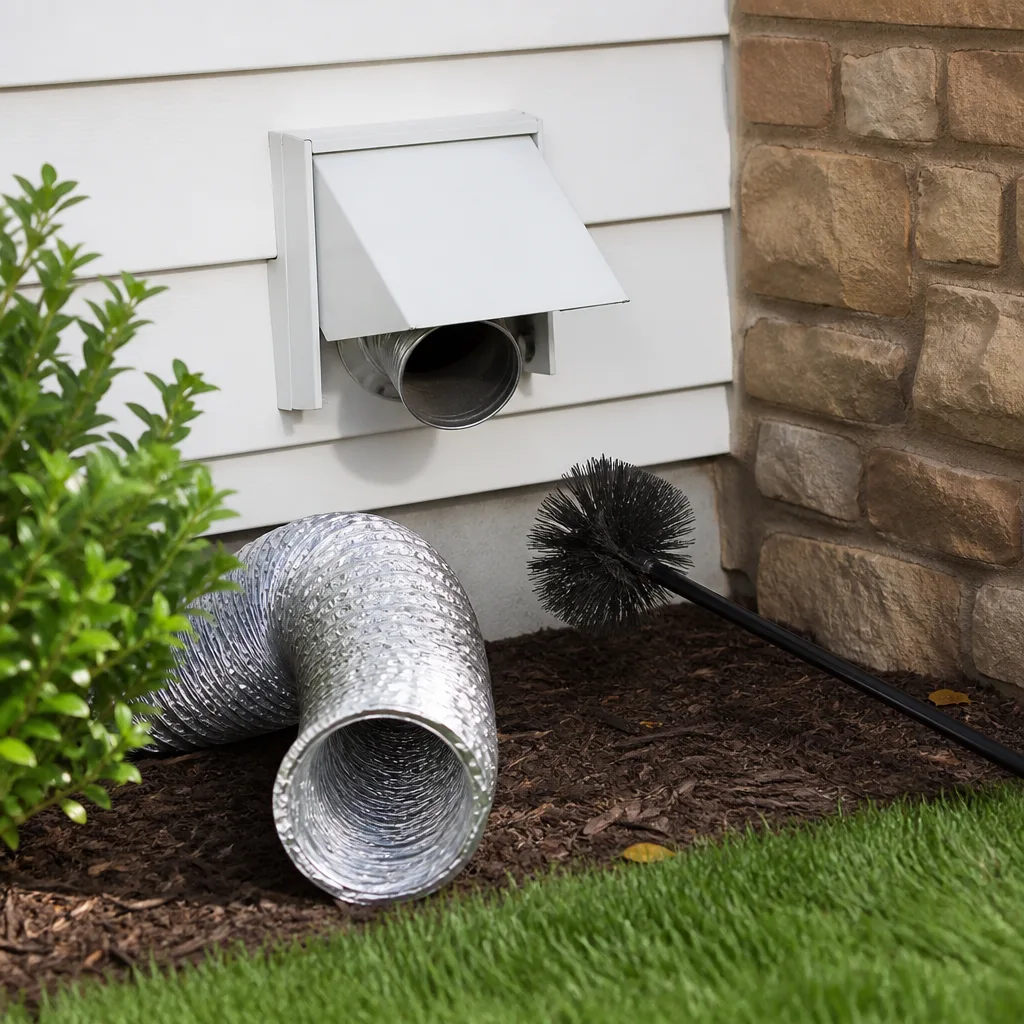
At CleanRun, we deliver a written price before any work starts, every time, under Haven Standard Clause 1. No exceptions. The price covers the complete system: supply ducts, return ducts, plenum (the central distribution box connected to your furnace), and accessible trunk lines. If additional services like dryer vent cleaning in Aurora or HVAC cleaning in Aurora are recommended, they appear as separate line items with their own fixed prices.
2. Detailed Scope of Work
The scope of work defines what will be cleaned, how it will be cleaned, and what is excluded. At minimum, it should specify:
- Number of supply and return duct runs to be cleaned
- Whether the plenum and trunk lines are included
- Method of agitation (mechanical brush, compressed air, or combined)
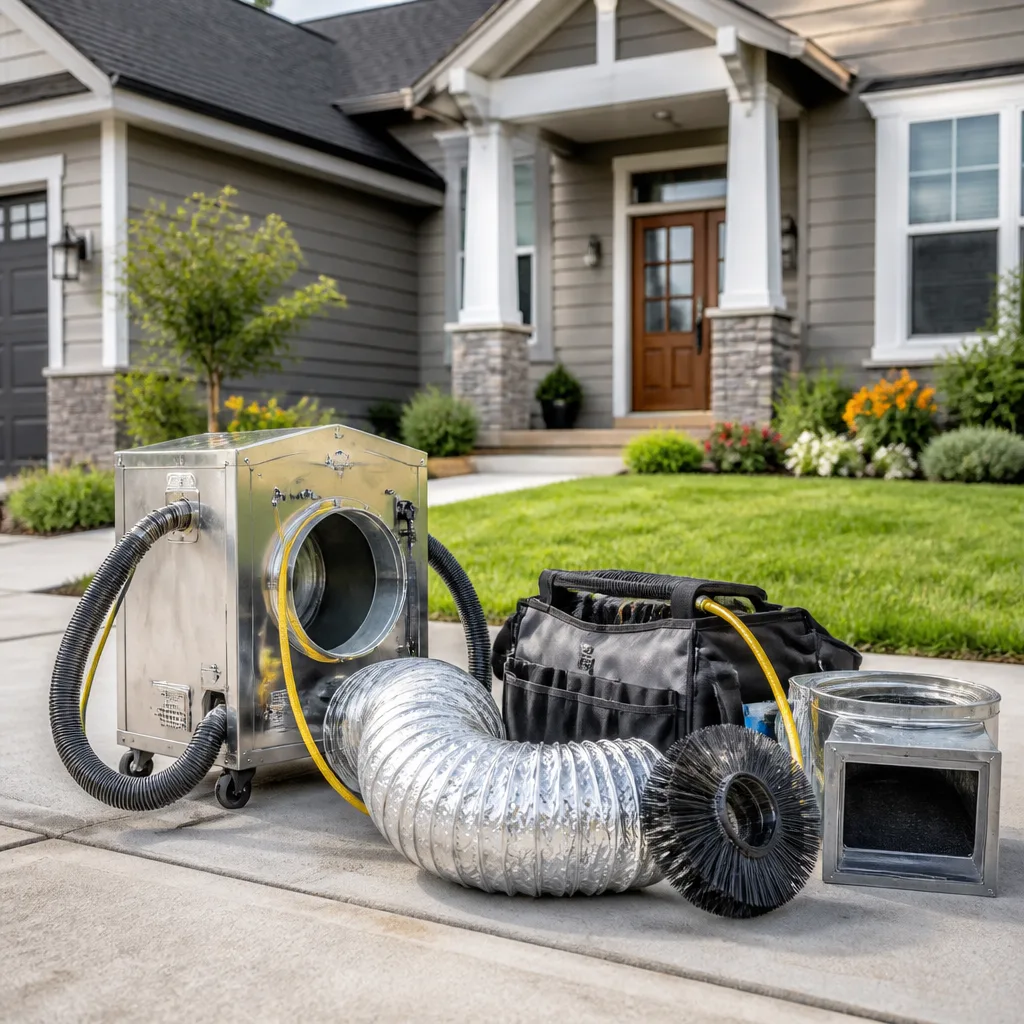
- Extraction method and equipment CFM rating
- Whether register covers will be removed and cleaned
- Protection for flooring and furnishings during work
A scope that reads “clean all ducts” without defining the components or methods is not a scope. It’s a placeholder for whatever the crew decides to do once they’re inside your home.
3. Proof of NADCA Certification or Equivalent Training
The National Air Duct Cleaners Association (NADCA) sets the industry standard for technician training and equipment requirements. A NADCA-certified Air Systems Cleaning Specialist (ASCS) has passed a proctored exam covering HVAC system design, cleaning methods, and containment protocols. Ask for the technician’s certification number and verify it at nadca.com.
If the contractor is not NADCA-certified, ask for equivalent documentation: manufacturer training certificates from Rotobrush, Nikro, or Abatement Technologies; state contractor licensure with an HVAC or mechanical classification; or documented completion of a comparable training program. The absence of any formal training documentation is a disqualifier.
4. Current Liability Insurance Certificate
Request a certificate of insurance (COI) naming you as the certificate holder for the date of service. The policy should show general liability coverage of at least $1 million per occurrence and workers’ compensation coverage if the company employs technicians. In Colorado, an independently operated contractor without employees may carry a workers’ compensation exemption, but this should be documented, not assumed.
We’ve responded to calls in Aurora’s Conservatory neighborhood where unlicensed operators damaged furnace control boards during duct cleaning and left homeowners with $2,400 repair bills and no recourse. Insurance verification takes two minutes; regret lasts considerably longer.
Why a Pre-Job Camera Inspection Determines Your Real Price
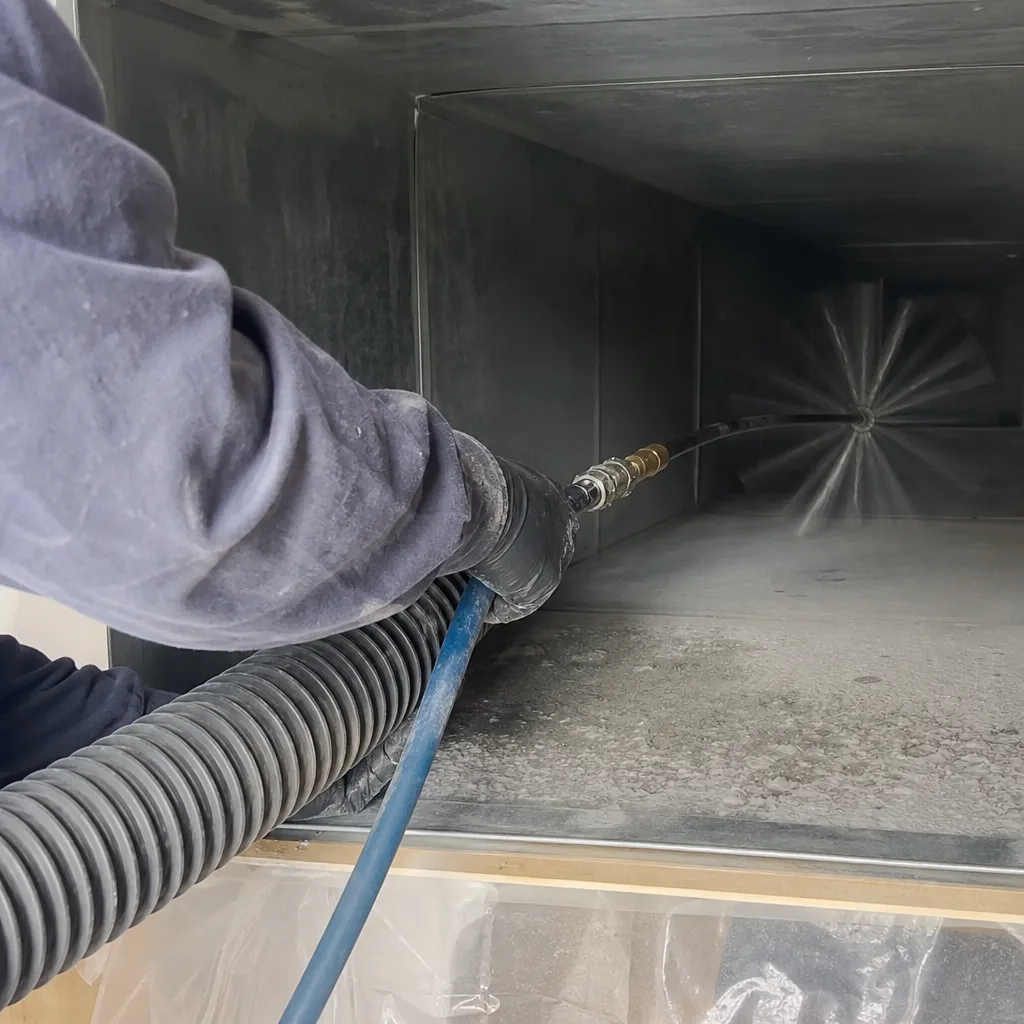
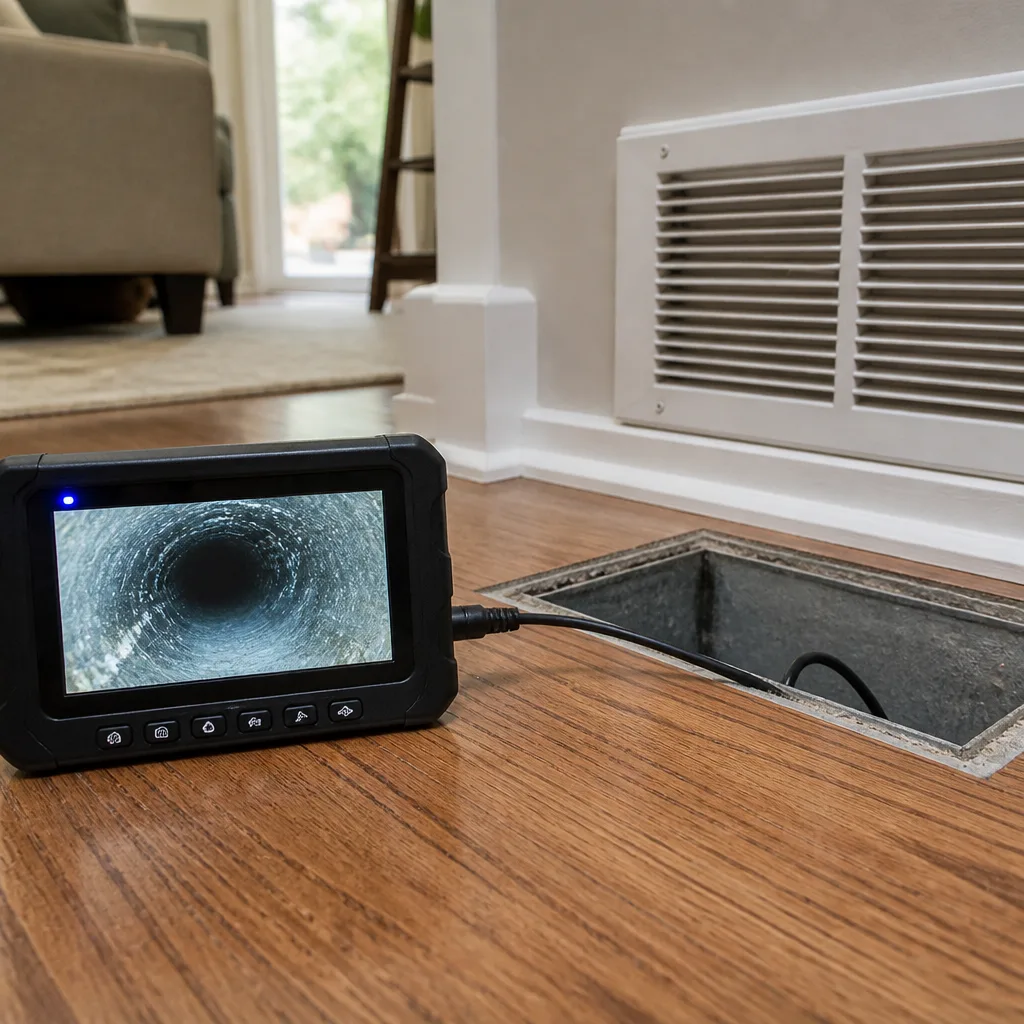
Any contractor who quotes a firm price without inspecting your ductwork first is either guessing or planning to adjust the price after arrival. A legitimate pre-job camera inspection in Aurora typically costs $75-$150, though many contractors - CleanRun included - credit this fee toward the cleaning if you proceed.
The inspection serves two purposes. First, it documents the actual condition of the system. Second, it identifies structural issues that affect both pricing and approach. In Aurora’s older neighborhoods like Original Aurora and Hoffman Heights, we’ve found collapsed flex duct, disconnected return plenums, and rodent damage that changed the scope entirely. In newer construction near Green Valley Ranch and Reunion, we’ve documented construction debris - drywall dust, wood shavings, insulation fragments - that standard residential cleaning protocols don’t fully address.
What the Camera Should Show
Ask to see the live feed or recorded video during the inspection. A proper camera inspection covers:
- The interior of the main trunk line, photographed at 10-foot intervals
- Each branch duct run from the trunk to within view of the register boot
- The return plenum and filter rack area
- The supply plenum and heat exchanger visible area
- Any identified damage, debris accumulation, or microbial growth
The technician should narrate what the camera shows in plain language: “This is a 3-inch debris build-up at the first elbow,” not “your ducts are really dirty.” Specific measurements and locations allow you to verify the finding after cleaning.
Why Skipping the Inspection Invalidates the Quote
A contractor who quotes $299 over the phone for “any house” has built in one of three assumptions: that your system is minimally contaminated, that they’ll upsell aggressively on arrival, or that they’ll perform minimal work regardless of condition. None of these serves your interests.
In our experience across 52,000+ homes since 2013, the difference between a lightly maintained system and one requiring intensive cleaning can exceed $400 in labor and equipment time. The camera inspection is what makes that distinction visible and verifiable.
Red Flags Specific to Aurora’s Market
Aurora’s rapid growth - from 325,000 residents in 2010 to over 395,000 today - has created conditions that attract low-integrity operators. These red flags appear with particular frequency in our market.
Door-to-Door Solicitation in New-Construction Neighborhoods
Every spring, crews canvas Southshore, Tollgate Crossing, Painted Prairie, and other developments built since 2015, offering “$79 whole-house specials” to homeowners who haven’t yet established service relationships. The pitch relies on urgency and social proof: “We’re doing your neighbor’s house this afternoon.” Legitimate contractors in Aurora do not solicit door-to-door. The practice is so reliably associated with bait-and-switch operations that several Aurora HOAs have banned it outright.
Prices Quoted Per Register Rather Than Per System
This red flag deserves repetition. A per-register quote allows the contractor to arrive with a number that sounds competitive, then multiply it by a register count higher than you expected. We’ve encountered Aurora homeowners quoted $29 per register who faced final bills exceeding $900 for systems with 16 supply and 4 return registers. The written whole-system price eliminates this arithmetic game entirely.
Verbal-Only Warranties
“We’ll come back if there’s a problem” is not a warranty. It’s a statement of intent with no enforceability. In Colorado, verbal promises in home service contracts are difficult to prove and rarely honored. The 365-Day Done Right Promise at CleanRun is backed in writing on every job, not stated in marketing copy and forgotten. Ask any contractor to show you the warranty document before scheduling. If they can’t produce it, they don’t have one.
Equipment That Cannot Be Named or Verified
A contractor who describes their equipment as “professional-grade” or “commercial-strength” without naming the manufacturer is obscuring information you can verify. Ask specifically: What brand of agitation equipment do you use? What brand of negative-pressure extraction? What CFM rating? Professional-grade equipment from trade-recognized brands - Rotobrush, Nikro, Abatement Technologies, Honeywell, Aprilaire, and Guardsman - can be researched independently. Vague superlatives cannot.
Pressure to Schedule Immediately
The “today only” discount, the “neighbor special” expiring at 5 PM, the technician who won’t leave your driveway without a signed contract - these are sales tactics, not service practices. A legitimate contractor in Aurora has scheduling availability that extends beyond the current afternoon. The work itself is not urgent; the documentation of what needs doing is.
How to Compare Quotes When Equipment Differs
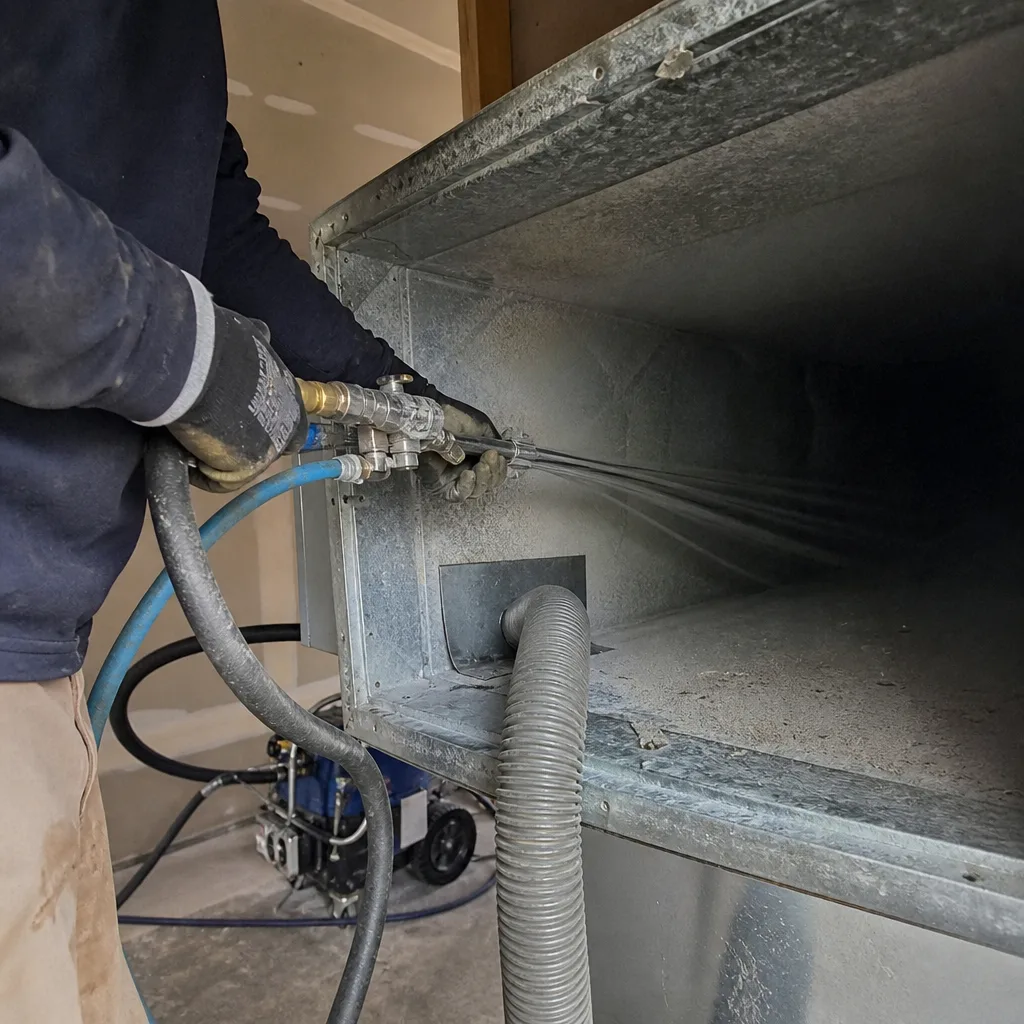
Homeowners researching air duct cleaning in Aurora often receive quotes that appear to describe different services entirely. One contractor proposes truck-mounted extraction; another uses portable HEPA-filtered vacuums. One mentions “rotary brush agitation”; another specifies “compressed air whipping.” The equipment differences matter, but not in the way most homeowners assume.
The Metric That Actually Matters: CFM
Cubic feet per minute (CFM) measures the volume of air a vacuum system moves. Higher CFM creates stronger negative pressure in the ductwork, which is what dislodges and carries debris to the collection point. For residential duct cleaning, effective extraction typically requires 2,000-5,000 CFM depending on system size and contamination level.
Truck-mounted systems generally deliver higher CFM - often 4,000-6,000 - because they’re powered by the vehicle’s engine or a dedicated generator. Portable units typically range from 1,500-3,500 CFM. But these are general ranges, not absolutes. A well-maintained portable unit operated by a trained technician can outperform a neglected truck mount. The relevant question is not “truck or portable?” but “What CFM will this job use, and how do you verify it?”
Agitation Methods and Their Applications
Agitation - the mechanical disturbance of debris so extraction can remove it - takes several forms:
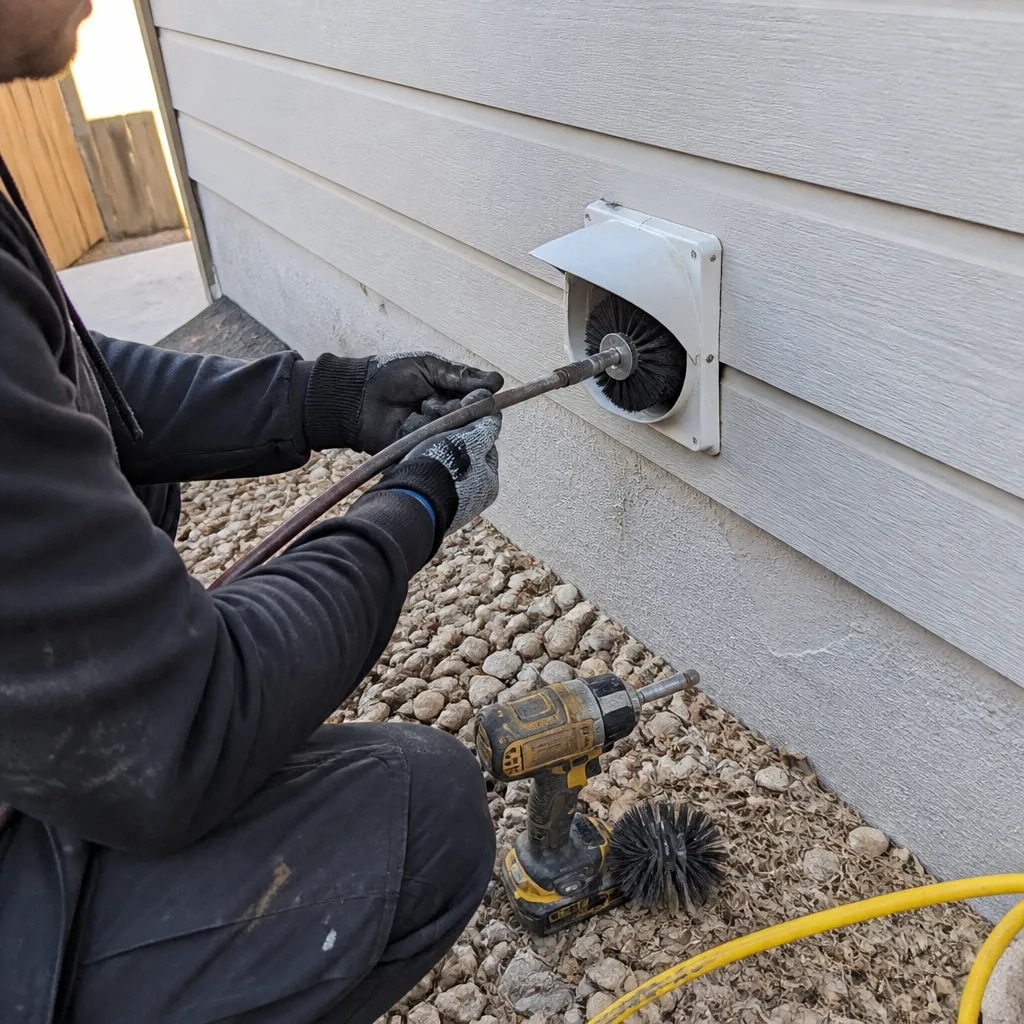
- Rotary brush systems (like Rotobrush): A rotating brush head on a flexible cable, effective for moderate debris in metal or flex duct. The brush diameter must match the duct size; oversize brushes damage flex duct.
- Compressed air whipping: High-pressure air nozzles that create turbulence inside the duct. Effective for light debris and construction dust, less so for compacted accumulation.
- Combined mechanical and air agitation: The most thorough approach for heavily contaminated systems, particularly in Aurora homes with pets, recent renovations, or years of deferred maintenance.
Ask contractors which agitation method they recommend for your specific system and why. The answer should reference what the camera inspection showed, not a one-size-fits-all protocol.
How to Request an Equipment Specification
A legitimate contractor can tell you:
- The manufacturer and model of extraction equipment
- The rated CFM at the hose connection point
- The agitation method and brand
- Whether HEPA filtration is used on the exhaust
- How equipment is maintained and calibrated
At CleanRun, we use equipment from Rotobrush, Nikro, and Abatement Technologies - brands customers can look up independently. We specify the equipment roster in our written scope so there’s no ambiguity about what will be connected to your ductwork.
What Your Contract Should Say About Post-Job Documentation
The documentation you receive after cleaning matters as much as the cleaning itself. It’s your proof that work was performed, your reference for future maintenance, and your protection if problems arise. A proper contract specifies four deliverables.
1. Dated Before-and-After Photos of Every Duct Run
Not sample photos from another job. Not “photos available upon request.” Every supply run, every return run, photographed before agitation begins and after extraction concludes, with timestamps or sequence markers. At CleanRun, this Documented Photo Record is included on every visit as a standard deliverable - not an upsell, not a premium option. We’ve held this practice since our first job in 2013.
The photos should show the same location from the same angle. A before photo of a trunk line elbow and an after photo of a register boot prove nothing. Ask the contractor to confirm in writing that photos will be delivered to you, not merely kept on file “for quality assurance.”
2. Written Scope Completion Checklist
A checklist signed by the technician confirming each component was addressed: supply ducts, return ducts, plenum, trunk lines, registers. Any item not completed should be noted with explanation, not omitted.
3. Equipment and Methodology Record
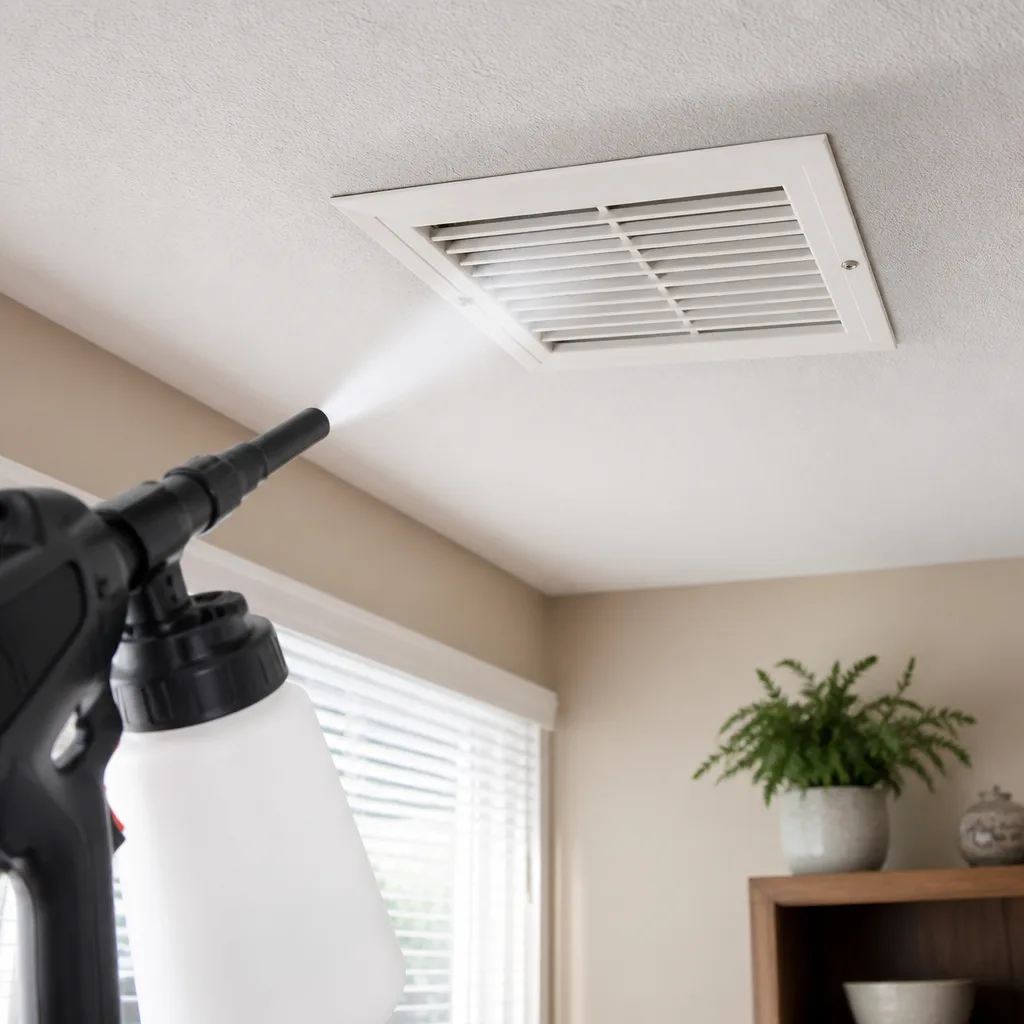
What was used, for how long, and with what results. This supports warranty claims and informs future service decisions. If microbial treatment was applied, the record should include product name, EPA registration number, and application concentration.
4. Warranty Documentation with Specific Terms
The 365-Day Done Right Promise at CleanRun specifies: if the work is not right, we make it right. The “not right” standard is defined - visible debris remaining in photographed locations, airflow improvement not meeting projected levels, damage occurring during service. The remedy is specified - return visit at no charge, re-cleaning, or refund if resolution is not achieved. Vague “satisfaction guarantees” without defined triggers and remedies are marketing language, not warranties.
What Air Duct Cleaning Actually Costs in Aurora
Price transparency is the most effective filter for contractor quality. Companies that obscure pricing until they’re inside your home are not protecting competitive information; they’re preserving flexibility to adjust based on your willingness to pay.
Whole-System Pricing in the Aurora Market
Based on our service records and market knowledge, legitimate air duct cleaning in Aurora typically falls within these ranges:
| Home Size / System Type | Typical Range | Factors Affecting Price |
|---|---|---|
| Condo or townhome (1-2 systems, 6-10 registers) | $300-$500 | Access constraints, shared ductwork in multi-unit buildings |
| Single-family home, 1,500-2,500 sq ft (1 system, 12-16 registers) | $400-$700 | Contamination level, flex vs. metal duct, accessibility |
| Single-family home, 2,500-4,000 sq ft (1-2 systems, 16-24 registers) | $600-$900 | Multiple HVAC units, complex trunk line configuration |
| Large home or estate, 4,000+ sq ft (2+ systems, 24+ registers) | $800-$1,400 | Zoned systems, dedicated returns, extensive trunk lines |
These ranges assume standard residential contamination - dust, debris, some pet hair - identified through camera inspection. Heavily contaminated systems, post-construction cleaning, or remediation of rodent or mold issues fall outside these ranges and should be scoped separately.
What the Price Should Include
A legitimate whole-system quote in Aurora should cover:
- Complete cleaning of all supply duct runs
- Complete cleaning of all return duct runs and return plenum
- Supply and return plenum cleaning
- Accessible trunk line cleaning
- Register cover removal and cleaning
- System testing and airflow verification
- Documented Photo Record delivery
Items that may be additional: dryer vent cleaning (typically $120-$250), HVAC coil and blower cleaning (often part of HVAC cleaning rather than duct cleaning), microbial treatment or sanitizing, duct repair or sealing.
Why Some Quotes Are “Cheaper”
The $79-$149 offers that circulate in Aurora every spring typically include: cleaning of 3-5 “main” ducts only, no camera inspection, no photo documentation, no plenum or trunk line access, and aggressive upselling on arrival. The initial price is a customer acquisition cost, not a service price. The business model depends on converting that $79 entry point to a $400-$800 final bill through scope expansion.
Haven Standard Clause 1 exists precisely because this model is so prevalent. Written price before any work starts, every time, eliminates the conditions that make bait-and-switch possible.
Common Mistakes to Avoid
- Booking based on coupon price without verifying what’s included. The $79 special cleans three ducts and excludes the plenum; you’ll discover this when the crew arrives and presents a revised scope.
- Accepting a verbal quote as binding. In Colorado, verbal agreements for home services over $500 are difficult to enforce. The written quote protects both parties.
- Assuming NADCA membership equals NADCA certification. Companies can join NADCA as associate members without certifying any technicians. Ask for the individual technician’s ASCS or VSMR certification number.
- Neglecting to verify insurance until after damage occurs. Request the COI before scheduling, not after a technician falls through an attic ceiling or damages a control board.
- Comparing prices without comparing scopes. A $450 quote that includes 8 duct runs and a plenum is not comparable to a $400 quote that includes 12 runs, plenum, and trunk lines. Line-item the components to compare accurately.
- Failing to request post-job documentation. Without photos and a completion checklist, you have no evidence that work was performed as specified. This matters for warranty claims, home sale disclosures, and your own maintenance records.
- Scheduling during Aurora’s peak allergy season without contingency planning. April through June sees highest demand; contractors with documented quality processes book 2-3 weeks out. The operator who can arrive tomorrow in peak season may be available for a reason.
When to Call a Professional
Schedule a professional inspection if you notice visible dust emission from registers when the system cycles, persistent musty odors that don’t resolve with filter changes, uneven heating or cooling across rooms that suggests duct blockage, or if your home was built or renovated within the past five years and has never had duct cleaning. In Aurora’s climate - with significant temperature swings that stress HVAC systems and seasonal wind patterns that drive dust through older window seals - ducts accumulate debris faster than in more temperate regions.
CleanRun Air Duct Cleaning Aurora offers free estimates in Aurora. Call (720) 513-5159 to schedule a camera inspection with written pricing, or bring any competitor’s written estimate for a free second opinion under the H.A.V.E.N. Standard.
Frequently Asked Questions
Whole-system air duct cleaning in Aurora typically costs $400-$900 for single-family homes, depending on square footage, register count, and contamination level. Condos and townhomes generally fall in the $300-$500 range, while large homes with multiple HVAC systems may exceed $1,000. Call (720) 513-5159 for a written estimate specific to your home - estimates are free and include camera inspection.
Low quotes usually exclude components that legitimate contractors include as standard: plenum cleaning, trunk line access, register removal, or photo documentation. The $79-$149 entry points common in Aurora spring promotions typically cover 3-5 “main” ducts only, with aggressive upselling required to complete a whole system. Ask for the complete written scope and compare line items, not headline prices.
Request dated before-and-after photos of every duct run, delivered to you as part of the job record - not kept on file by the contractor. A written completion checklist signed by the technician provides additional verification. At CleanRun, the Documented Photo Record is standard on every visit; customers receive digital access to photos of their specific system, not generic before-and-after samples.
For most Aurora homes, every 3-5 years under normal occupancy and with regular filter changes. Homes with pets, recent construction, respiratory sensitivities, or visible dust accumulation may need more frequent service. The camera inspection is the most reliable determinant - if the camera shows significant debris, cleaning is warranted regardless of elapsed time.
Air duct cleaning addresses the distribution network - supply and return ducts, plenum, and registers. HVAC cleaning addresses the mechanical components: evaporator coil, blower assembly, heat exchanger, and condensate drain. The services are complementary but distinct; duct cleaning alone does not address contamination at the air handler, and HVAC cleaning alone does not address debris in the distribution network.
No. The work generates some noise from vacuum equipment and may temporarily affect indoor air quality as debris is agitated before extraction. Most Aurora homeowners remain on-site, particularly during the initial camera inspection when findings are reviewed. If anyone in the household has severe respiratory sensitivity, consider stepping out during the 2-3 hour active cleaning phase.
The Bottom Line
Hiring an air duct cleaning contractor in Aurora comes down to documentation: what they’ll show you before work starts, what they’ll deliver when work ends, and what they’ll put in writing if something goes wrong. The four documents - written quote, detailed scope, certification proof, and insurance certificate - separate accountable contractors from coupon operations. The camera inspection determines your real price. The post-job photo record proves the work happened. Everything else is negotiation over details. Start with these requirements, compare whole-system prices rather than per-register teasers, and you’ll hire a contractor who treats your home like a documented project, not a sales opportunity.
Written by Tomas Reyes, Owner at CleanRun Air Duct Cleaning Aurora, serving Aurora since 2013.