
Last updated September 23, 2026
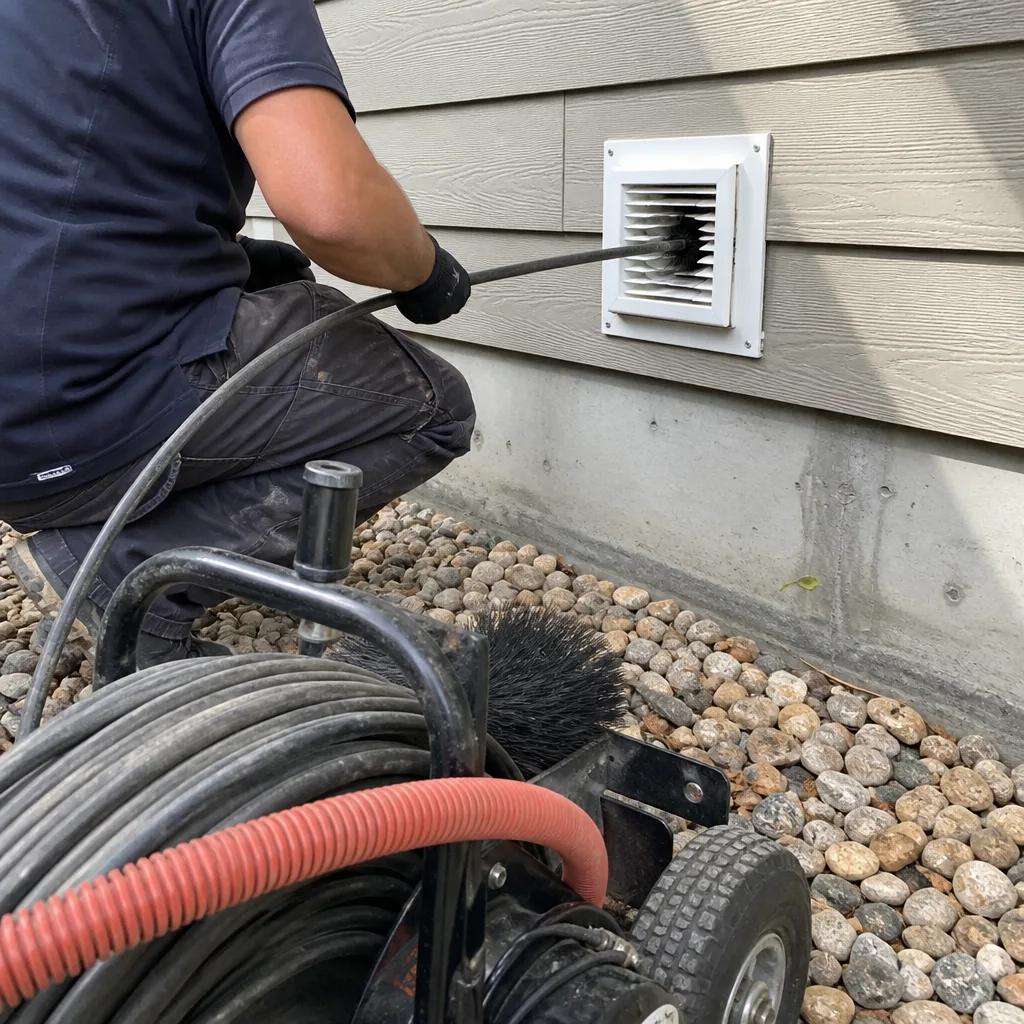
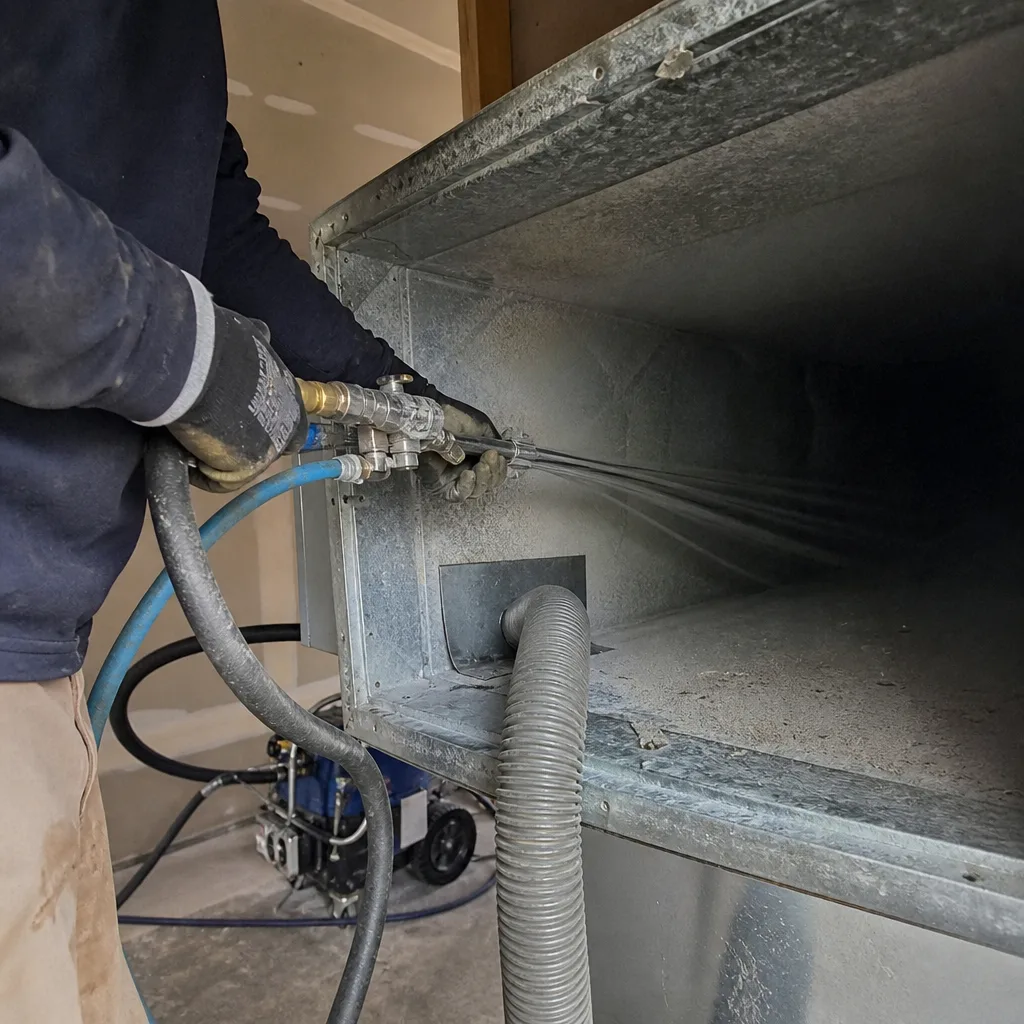
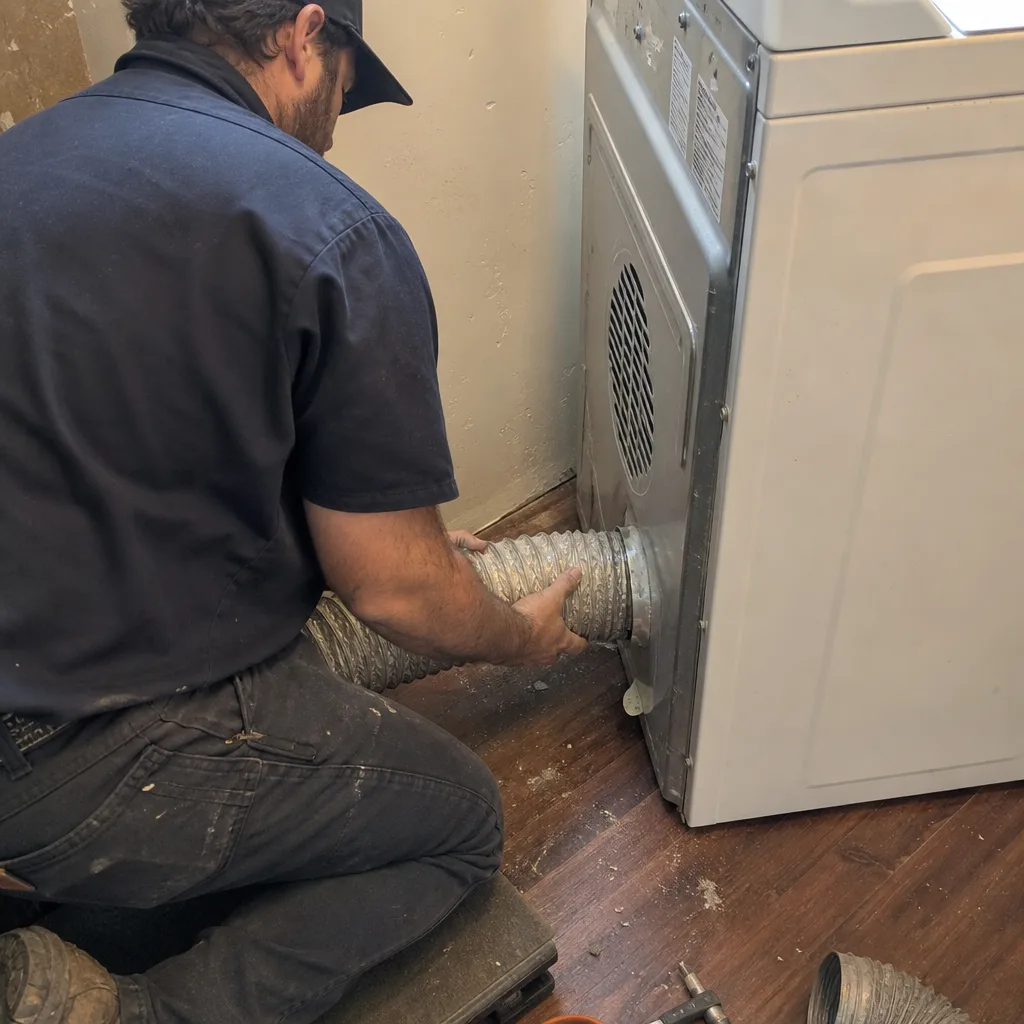
Whole-system duct and dryer vent check with before-and-after photos - you see exactly what came out of your vents
That "$99 whole-house special" is a bait ad - the real number appears once they are in your hallway, or the "clean" is a shop-vac at the register. We photograph the inside of your ducts before and after instead.
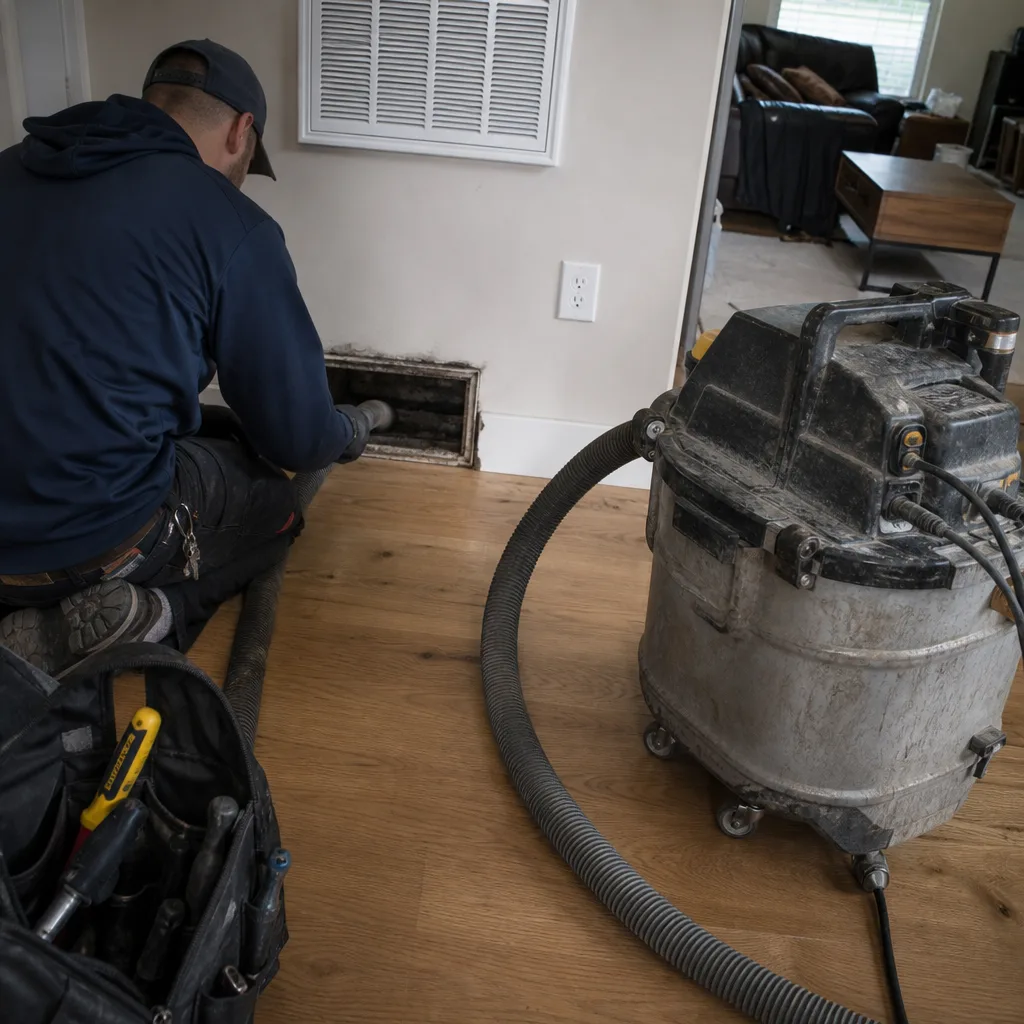 Before
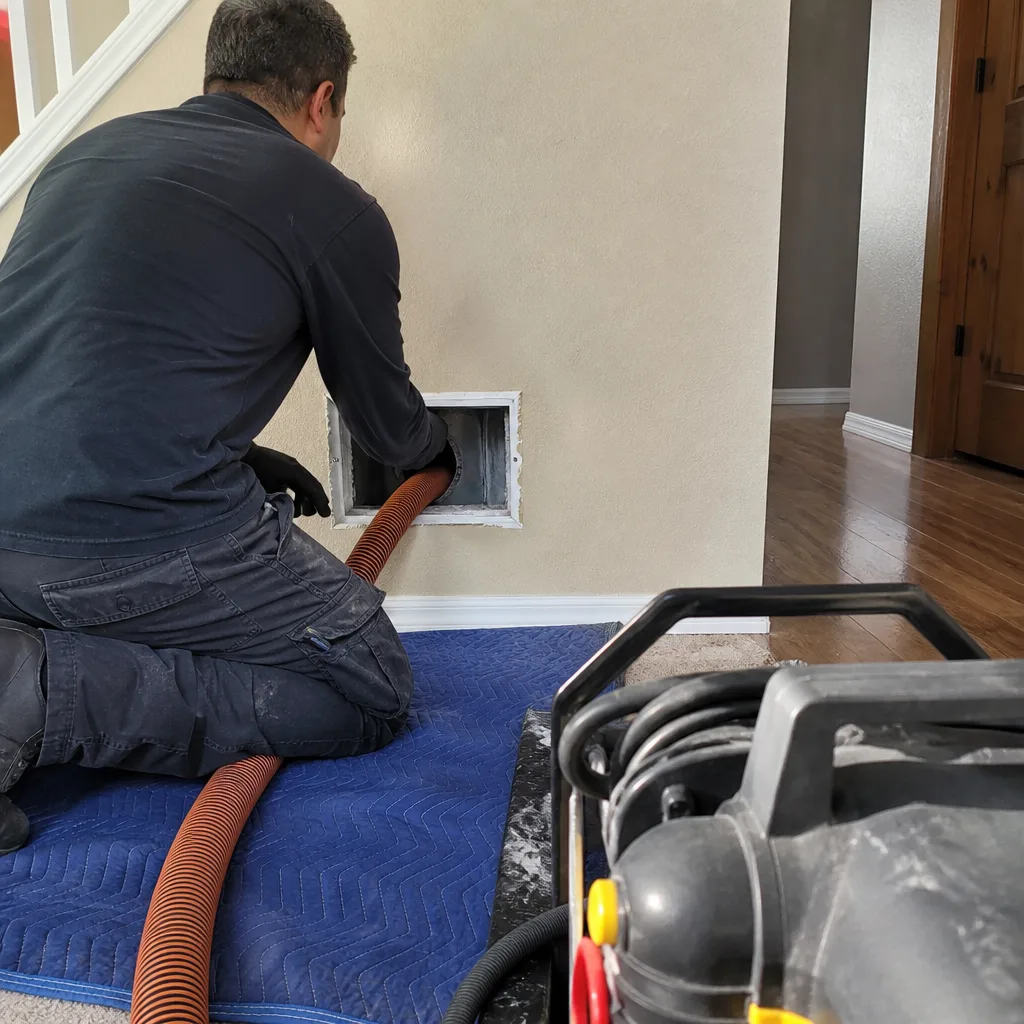 After
After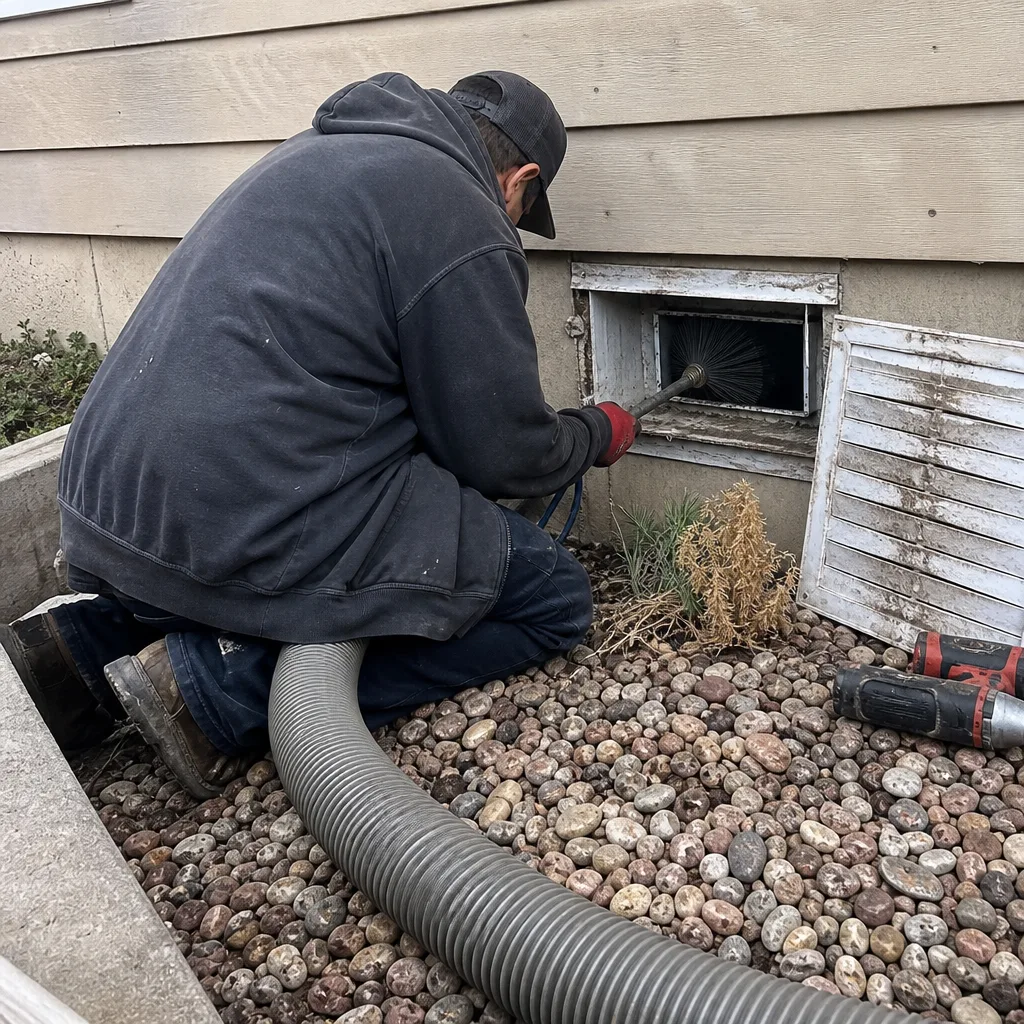 Before
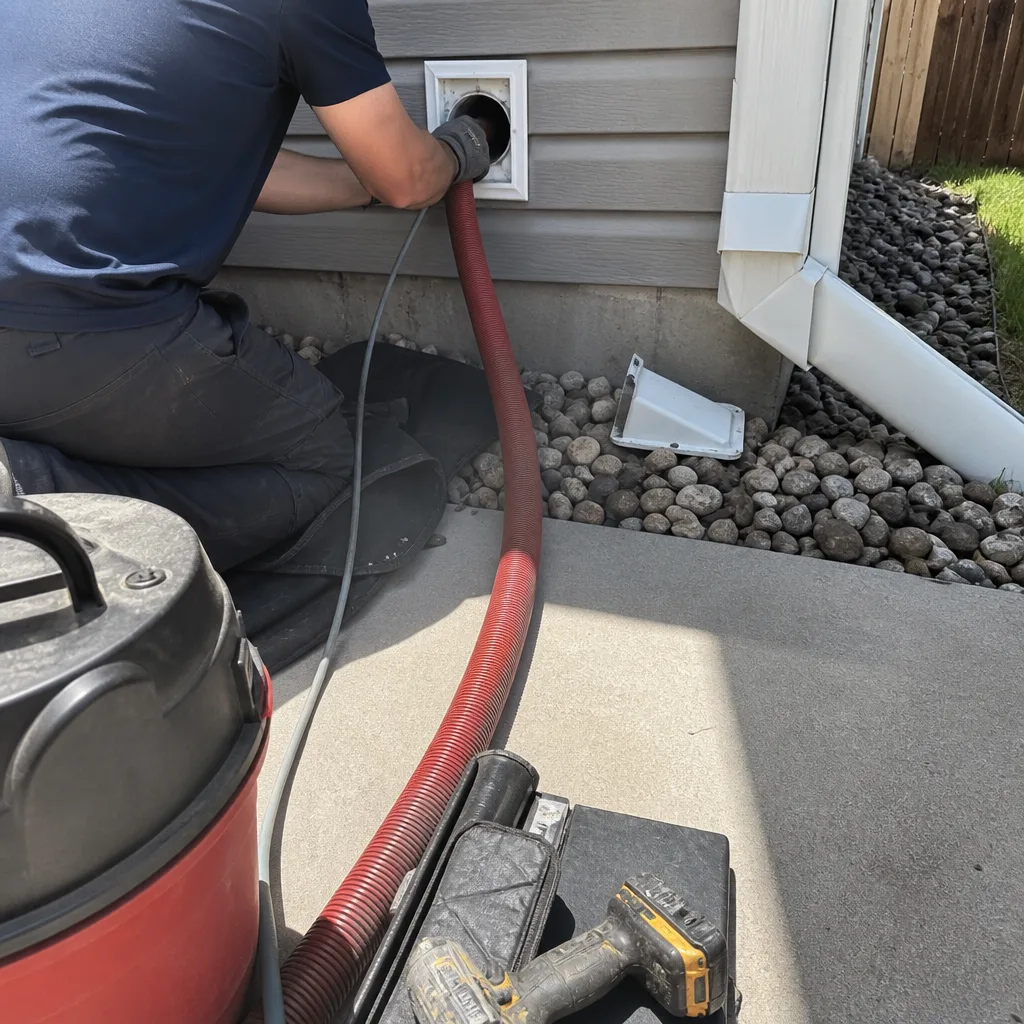 After
After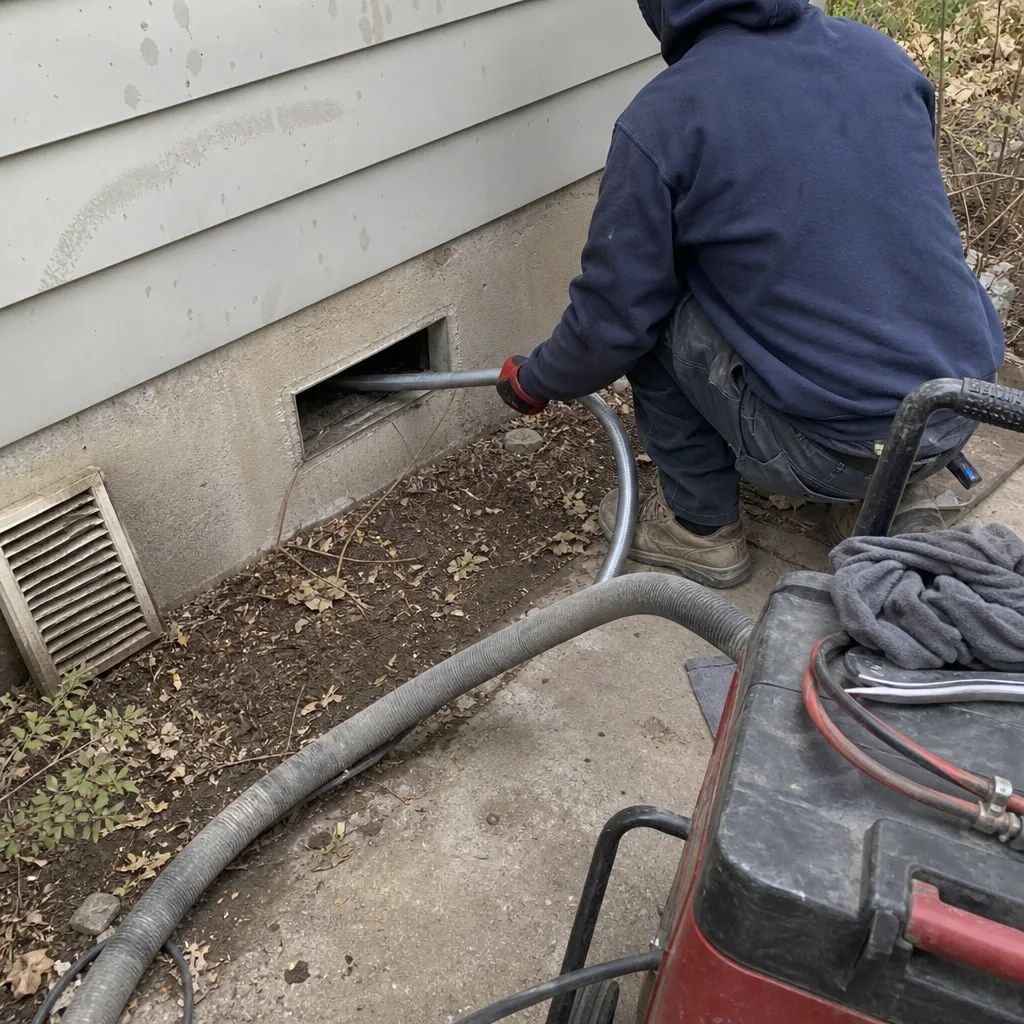 Before
 After
AfterAir Duct Cleaning Maintenance Checklist for Aurora Homeowners
The single most overlooked maintenance item in Aurora homes isn’t filter changes. It’s confirming that return-air plenums are sealed at the air handler. A gap there renders every upstream cleaning effort incomplete, and we’ve photographed it on hundreds of jobs since 2013. This guide gives Aurora homeowners a room-by-room inspection sequence that takes under 30 minutes, no tools beyond a flashlight and phone camera. You’ll learn which findings you can act on yourself, which ones require a camera on a flexible borescope, and how to keep a dated photo log that holds value when you sell your home or dispute an HVAC warranty claim.
Quick Answer
A thorough Air Duct Cleaning maintenance checklist for Aurora homeowners includes monthly filter inspection, quarterly register and return grille examination, annual visible trunk line review, and post-event documentation after wildfire smoke, renovation, or heavy pollen periods. Most critical is a yearly check of the return-air plenum seal at the air handler, where gaps are invisible from living spaces but common in homes built 2015-2025. When filter pressure drop exceeds manufacturer specification, visible debris exceeds 1/4 inch depth, or odors recur within 72 hours of filter change, the checklist finding warrants professional inspection with a camera.
Table of Contents
- Why a Written Checklist Matters in Aurora
- Room-by-Room Inspection: The 30-Minute Sequence
- Aurora Conditions to Log: Smoke, Renovation, and Pollen Events
- How to Document Register Airflow Imbalances
- What Your Dated Photo Log Is Actually Worth
- Threshold Measurements That Signal Professional Inspection
- Tools and Equipment for Homeowner Inspection
- Common Mistakes to Avoid
- When to Call a Professional
- Frequently Asked Questions
- The Bottom Line
BeforeAfterWhy a Written Checklist Matters in Aurora
Aurora’s housing stock carries specific risk factors that make undocumented duct maintenance a liability. Homes built during the 2015-2025 construction surge, particularly in Stapleton, Southshore, and the newer sections of Tallyn’s Reach, often feature flex duct runs with sealed joints that degrade faster than sheet metal in our freeze-thaw cycle. The semi-arid climate and 5,300-foot elevation mean wider daily temperature swings than at sea level, accelerating thermal expansion stress on connections.
We’ve found that homeowners who keep a dated checklist catch problems 18 to 24 months earlier than those who rely on memory. The documentation matters because HVAC manufacturers increasingly require maintenance records for warranty claims, and Aurora’s hard water and mineral dust create residue patterns distinct from coastal or humid climates.
A written checklist also protects against the industry’s bait-and-switch reputation. When you can show a technician your photo log and dated observations, you shift the conversation from “trust me” to “show me.” At CleanRun Air Duct Cleaning Aurora home, we’ve built our practice on this same principle: every job starts with a written price and concludes with a Documented Photo Record of every duct run, delivered as a standard deliverable.
The checklist below distinguishes between what you can observe and what requires professional equipment. That line is the whole point.
Room-by-Room Inspection: The 30-Minute Sequence
Complete this sequence in order. Do not skip rooms. The return path matters as much as the supply path.
Before You Start
Gather: flashlight, phone camera, notepad or notes app, and your HVAC filter model number. Turn the system fan to “ON” at the thermostat so you can feel airflow at registers. Note the date and outdoor conditions.
Step 1: The Air Handler and Return-Air Plenum (5 minutes)
Start where the system breathes. Locate your furnace or air handler, usually in basement, utility closet, or attic in Aurora homes.
- Photograph the filter in place, showing the arrow direction and fit in the rack.
- Remove the filter. Hold it to light. If you cannot see light through the media, it’s past replacement regardless of time in service.
- Inspect the return-air plenum, the large metal box connecting the return duct to the air handler. Look for gaps where the plenum meets the air handler cabinet, particularly at corners and screw lines. A gap even pencil-width wide bypasses filtration entirely.
- Photograph any gaps. Note if you feel air movement with your hand at these seams when the fan runs.
- Check the filter rack itself for deformation. A warped rack lets unfiltered air bypass.
This step is where most homeowner inspections fail. The plenum seal is invisible from living spaces, and a gap here means every register cleaning upstream is partial at best. We’ve photographed plenum separations up to 3/4 inch in Aurora homes less than five years old, particularly in builder-grade installations in the eastern developments.
Step 2: Main Trunk Lines in Accessible Spaces (5 minutes)
Follow the largest ducts from the air handler. In unfinished basements or crawl spaces, examine visible trunk lines for:
- Disconnected flex duct from metal collars
- Sagging runs with standing water or rust stains
- Tape or mastic failures at seams
- Insulation tears exposing bare duct
Photograph anything suspicious. Note locations by room reference: “sagging at east trunk above guest bedroom.”
Step 3: Room-by-Room Register and Return Grille Inspection (15 minutes)
Visit each room in sequence. At each supply register and return grille:
- Photograph the register/grille face.
- Remove the register if it lifts out easily. Do not force screws or painted-shut covers.
- Shine flashlight into the duct boot, the short connector between register and main duct. Note visible debris depth. A light dusting is normal. Buildup exceeding 1/4 inch, particularly if it holds shape when disturbed, warrants documentation.
- Check for foreign objects: construction debris, toys, rodent droppings, or moisture staining.
- Feel airflow with back of hand. Note rooms with notably weaker or stronger flow than others at similar register sizes.
- Photograph any concerning findings with a coin or ruler for scale.
- Replace register. Note if it seats properly or is damaged.
In Aurora’s newer homes, pay particular attention to rooms farthest from the air handler. Long duct runs in Stapleton and Southshore developments often show the first signs of blockage or disconnection at terminal registers.
Step 4: Exterior Intake and Exhaust (5 minutes)
If your system uses outside air intake or you have a high-efficiency furnace with PVC venting:
- Confirm intakes are clear of debris, snow, or vegetation
- Check for insect or bird nesting in intake hoods
- Verify exhaust terminations show no discoloration or damage
Photograph. These exterior components are often forgotten until they cause pressure imbalances or safety shutdowns.
Aurora Conditions to Log: Smoke, Renovation, and Pollen Events
Certain conditions in Aurora require specific checklist actions beyond routine inspection. Log these events with dates and photographs.
Post-Wildfire Smoke Events
Colorado’s wildfire seasons increasingly affect Aurora’s air quality even when fires burn hundreds of miles away. In 2020 and 2021, smoke particulate reached levels that forced HVAC systems to work harder and loaded filters prematurely.
After any Air Quality Index exceedance above 150:
- Inspect filter immediately, regardless of schedule. Replace if gray or odorous.
- Check return grilles for ash residue on surfaces.
- Run system fan continuously for 24 hours with new filter, then reinspect.
- Schedule professional inspection if odors persist 72 hours after filter change. Smoke particulate below 2.5 microns passes standard filters and deposits in duct runs.
We’ve documented smoke residue in ductwork months after visible haze cleared, particularly in homes with electrostatic filters that had lost charge.
Post-Renovation Periods
Any interior renovation, drywall repair, or flooring replacement generates dust that overwhelms standard filtration. In Aurora’s active resale market, many homeowners renovate before listing or immediately after purchase.
Post-renovation checklist:
- Replace filter before renovation starts, again immediately after
- Seal registers in work zones with plastic if system must run
- Inspect all registers within 48 hours of project completion
- Photograph any visible construction debris in duct boots
- Consider professional cleaning before occupancy if renovation generated significant drywall or wood dust
Spring Pollen Window: Cottonwood and Attic Bypass
Aurora’s spring pollen period, typically late April through early June, brings cottonwood fiber that behaves differently from typical pollen. The fibers are large enough to clog standard filters rapidly and small enough to enter through attic bypasses, gaps between conditioned space and attic that pressurize ducts.
During this window:
- Inspect filters every two weeks, not monthly.
- Check attic access hatches for proper seal and insulation.
- Look for cottonwood accumulation on exterior intake screens.
- Log any sudden increase in dust at registers. This often indicates an attic bypass pulling unfiltered attic air into the return path.
We’ve found cottonwood fiber packed 2 to 3 inches deep in return plenums during spring inspections, particularly in homes with ridge vents or gable vents without proper baffles.
How to Document Register Airflow Imbalances
Air Duct Cleaning Warning Signs: A Aurora Homeowner’s Reference Guide notes that airflow imbalance-one room notably cooler or warmer than others with the same exposure-is an early indicator of blockage, disconnection, or duct damage. Homeowners often adapt by closing vents or adjusting thermostats, which masks the underlying problem and can create pressure imbalances that worsen it.
Document imbalances systematically:
- Close all windows and doors. Run system for 20 minutes to stabilize.
- Use a digital thermometer or the back of your hand at each register. Record temperature at each supply.
- Note room temperature at thermostat height, away from registers.
- Calculate the difference: supply air temperature minus room temperature. In cooling mode, expect 14-20°F differential. In heating mode, expect 30-50°F above room temperature.
- Flag any register with differential more than 5°F below the home average.
- Photograph the register and note its duct run path if known.
Common causes we find in Aurora:
- Disconnected flex duct in crawl space or attic: Particularly in homes with post-tension slab construction where ducts run through attic trusses.
- Collapsed internal duct liner: The fiberglass lining inside metal ducts degrades and delaminates, creating internal blockage invisible from registers.
- Damper misposition or failure: Zone systems in larger Aurora homes often have stuck or manually overridden dampers.
- Kinked flex duct at tight bends: Common where builders routed around plumbing or structural members.
A dated airflow log becomes valuable evidence. When we arrive for Air Duct Cleaning in Aurora, homeowners who can show six months of imbalance documentation help us locate problems faster and avoid exploratory work.
What Your Dated Photo Log Is Actually Worth
The photo log you build through this checklist is not merely organizational. It has specific transactional value in three scenarios that affect Aurora homeowners.
Home Sale Documentation
Colorado’s seller disclosure requirements include HVAC condition. A dated photo log showing clean ductwork at purchase, maintenance during ownership, and pre-listing condition demonstrates due diligence. In Aurora’s competitive market, this documentation can preempt buyer inspection findings that might otherwise trigger repair credits or price reductions.
We’ve had sellers call us to generate a Documented Photo Record specifically for disclosure packets. The investment typically returns multiples in smoother transactions.
HVAC Warranty Claims
Major manufacturers, including those whose equipment we service with Rotobrush and Abatement Technologies tools, increasingly require proof of maintenance for compressor and heat exchanger warranty claims. A photo log with dates satisfies this requirement more credibly than a verbal claim or generic service sticker.
Specifically, document:
- Filter changes with date and filter model visible
- Clean register and plenum conditions
- Any professional service with written scope
Dispute Resolution with Service Providers
If you hire duct cleaning and results disappoint, your pre-service photo log establishes baseline condition. This is why CleanRun’s Documented Photo Record includes both before and after images of every duct run, delivered as a standard job record. You can compare your own observations with our documentation.
The Haven Standard Clause 1, Written Price Before Any Work Starts, applies here too: you should never pay for duct cleaning without knowing what will be photographed and delivered.
Threshold Measurements That Signal Professional Inspection
Not every checklist finding requires immediate professional attention. These thresholds separate “log and monitor” from “call for camera inspection.”
Filter Pressure Drop
Most residential filters specify initial pressure drop at rated airflow, typically 0.1 to 0.3 inches water column when clean. You cannot measure this precisely without a manometer, but you can observe proxy indicators:
- Filter visibly bows inward toward blower when system runs: excessive restriction
- Filter collapses or deforms in rack: immediate replacement needed, inspect for bypass damage
- Whistling at filter rack: air bypassing filter, seal failure
Replace filters when you cannot see light through media, or at manufacturer interval, whichever comes first. In Aurora’s dust and pollen environment, this is often 60 days for standard pleated filters, not 90.
Visible Debris Depth
In duct boots visible from registers:
- Light dust coating: normal, monitor
- Debris 1/8 to 1/4 inch that brushes away easily: schedule cleaning within 6 months
- Debris exceeding 1/4 inch, or debris that holds shape and shows layering: schedule professional inspection with camera
- Any moisture, mold-like growth, or rodent evidence: immediate professional inspection
Odor Recurrence
Odors that return within 72 hours of filter change indicate contamination in ductwork, not just filter saturation. Common in Aurora:
- Musty odors: possible moisture in ductwork or dead zone where condensation collects
- Smoke or chemical odors: residual from wildfire or renovation, often deposited in porous duct liner
- Pet odors concentrated at specific registers: urine or dander accumulation in that duct run
72 hours is the threshold. Sooner suggests filter bypass or plenum leak. Later suggests normal filter loading.
Airflow Differential
As noted above, supply temperature differential more than 5°F below room average warrants investigation. If you’ve checked dampers and registers are fully open, the cause is likely in the duct run itself.
Tools and Equipment for Homeowner Inspection
You need minimal equipment for the checklist above. Professional inspection requires more.
Homeowner Kit
- Flashlight: LED with focused beam, 300+ lumens, for examining duct boots
- Phone camera: Any smartphone with macro focus capability
- Digital thermometer: Infrared or probe type, for airflow differential measurement
- Notepad or notes app: Dated entries with room references
- Ruler or coin: For scale in debris photographs
Professional Equipment You Cannot Replicate
These are the tools CleanRun technicians deploy under the H.A.V.E.N. Standard, and why certain findings require professional inspection:
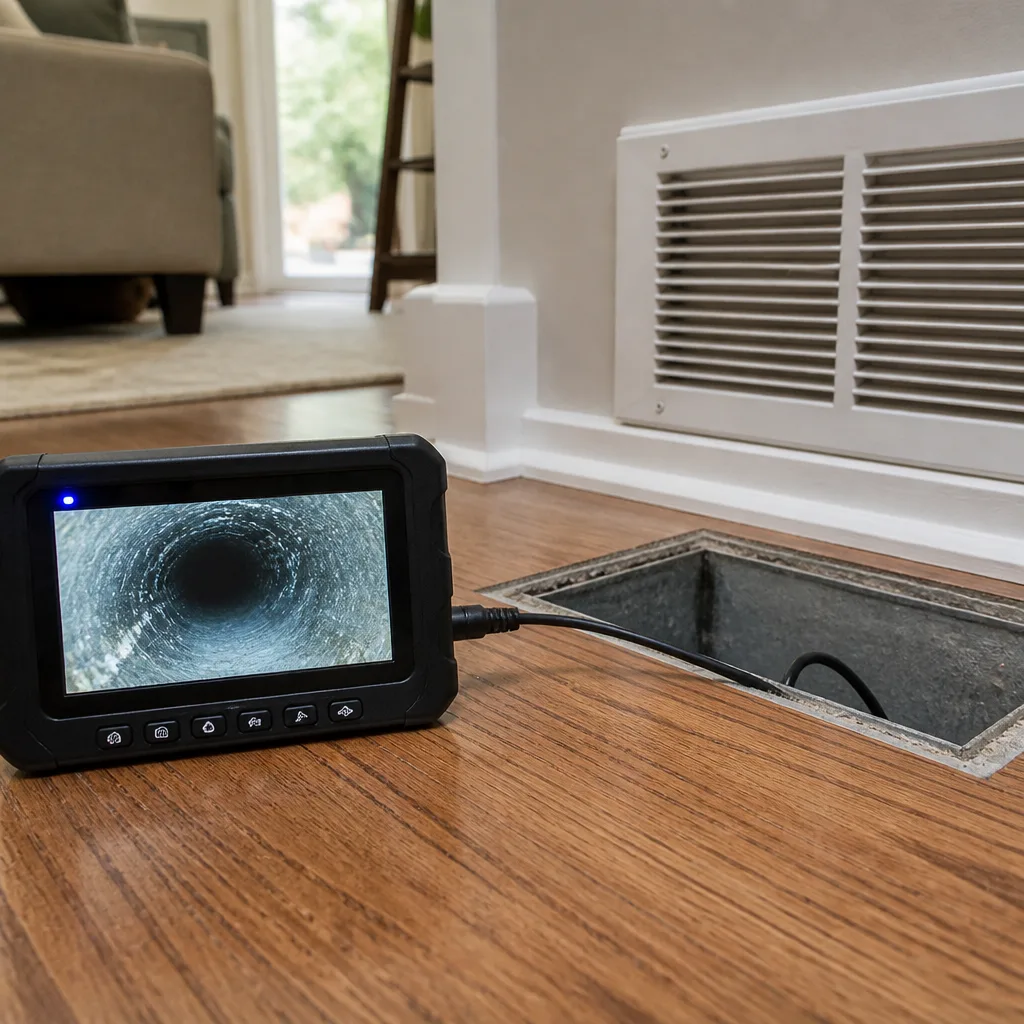
- Flexible borescope camera: 1080p camera on articulated cable, reaching 25+ feet into duct runs to inspect beyond the boot. We use systems from Abatement Technologies and Guardsman for this documentation.
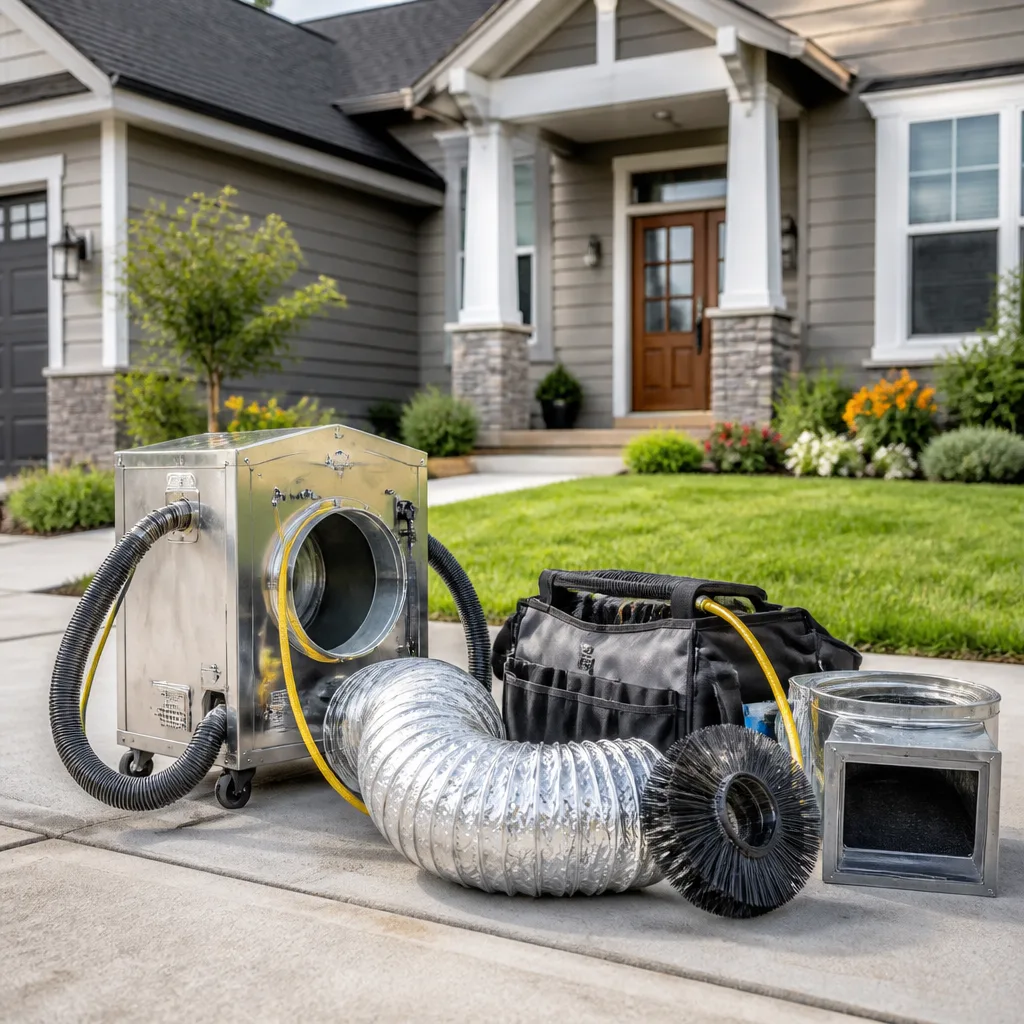
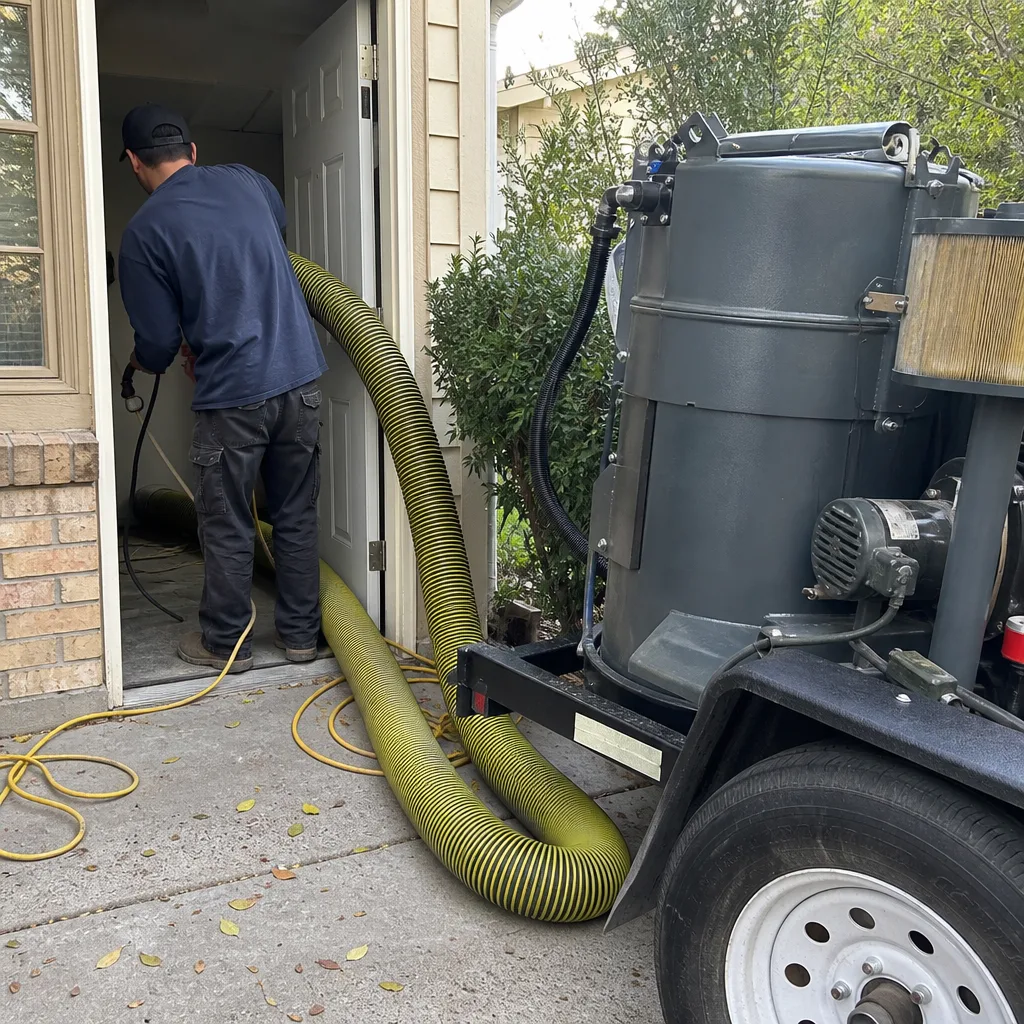
- Negative-pressure extraction system: Portable HEPA-filtered vacuum generating sufficient airflow to dislodge adhered debris without releasing it into living space. Our equipment roster includes Nikro and Rotobrush systems sized to residential ductwork.
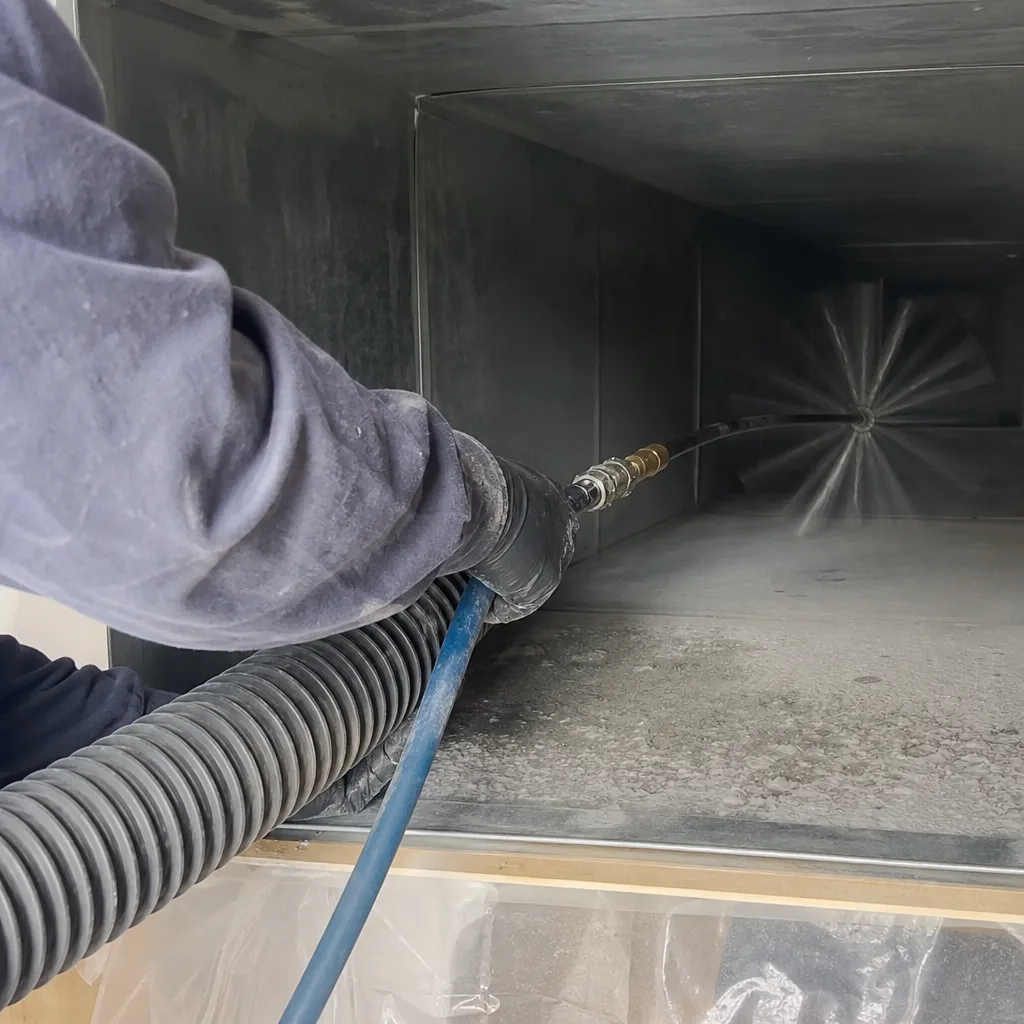
- Agitation tools: Brushes, whips, or compressed-air devices that contact duct walls directly. These require training to avoid damage to flex duct or internal liner.
- Pressure manometer: For precise pre- and post-cleaning airflow measurement.
- Moisture meter and thermal imaging: To locate condensation points and duct leakage invisible to eye.
The distinction matters. A homeowner with a flashlight can spot debris at a register. Only a borescope camera can determine if that debris extends through the run, or if the real problem is a disconnected section ten feet upstream. This is why our Documented Photo Record includes every duct run, not just the accessible ones.
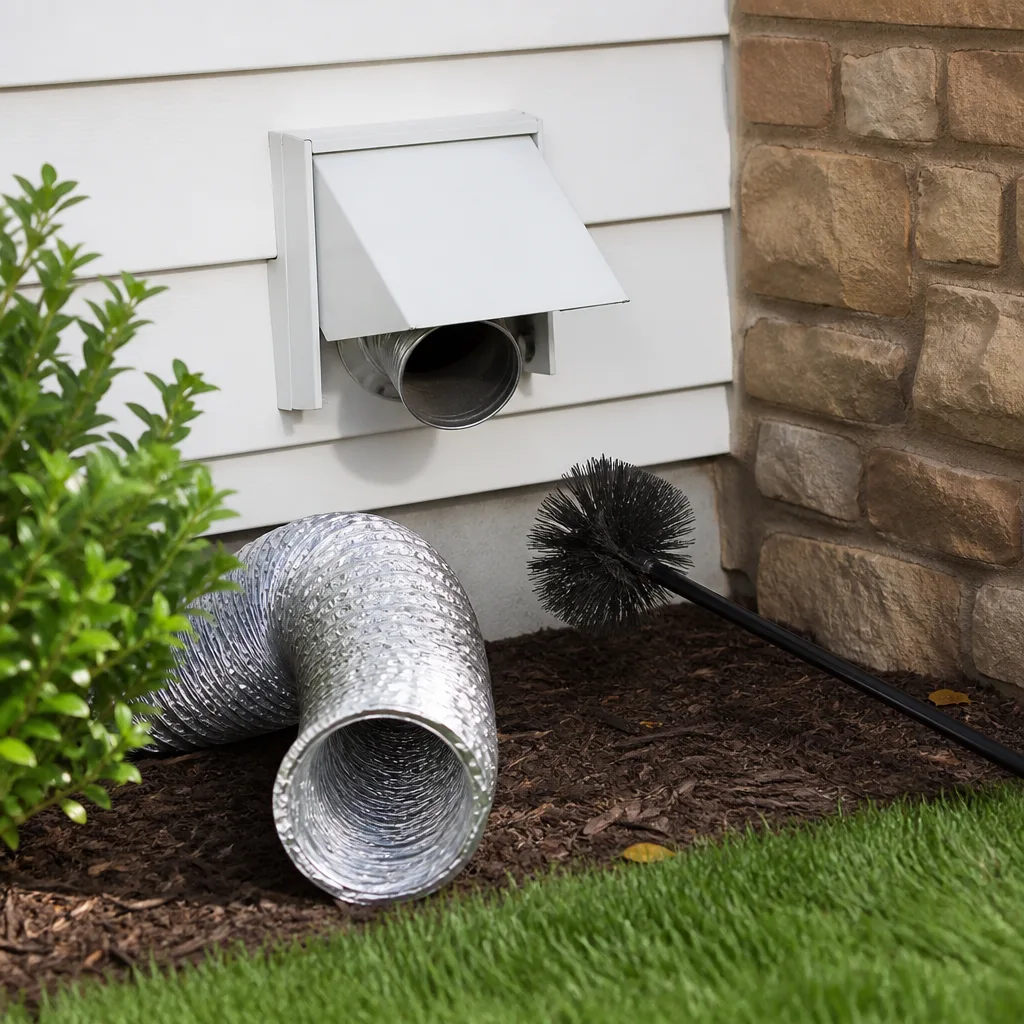
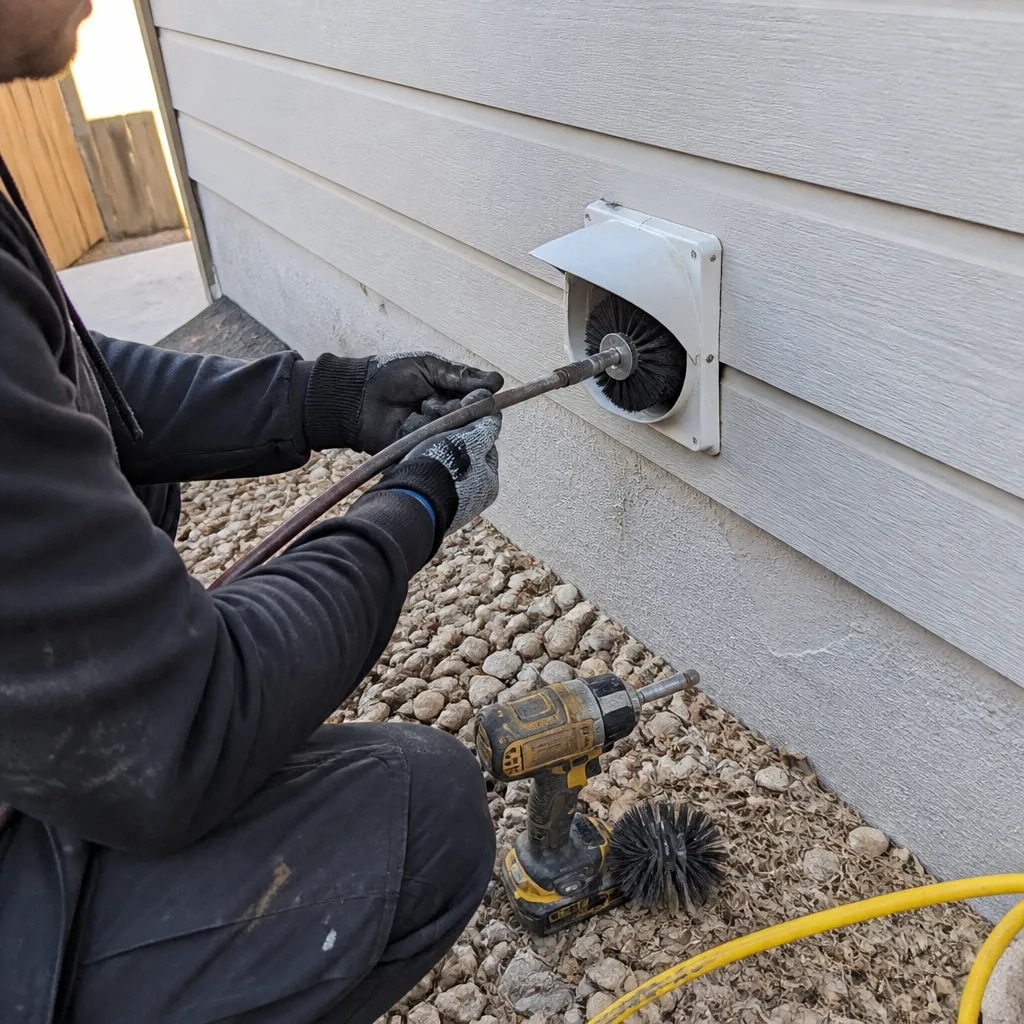
For Dryer Vent Cleaning in Aurora, the same principle applies: lint visible at the exterior hood may indicate blockage deep in the run that requires rotary brush tools and airflow measurement to clear safely.
Common Mistakes to Avoid
- Inspecting only supply registers, not returns. Return grilles pull air and debris back to the air handler. They’re often the dirtiest point in the system and the most overlooked. In Aurora homes with central returns, a single large grille may serve multiple rooms and concentrate debris.
- Replacing filters by calendar, not condition. A filter in a dusty construction zone or during wildfire smoke may need replacement in two weeks, not three months. Check visually every time.
- Sealing registers with tape or caulk to “improve efficiency.” This creates pressure imbalances that strain blowers and can cause backdrafting in combustion appliances. If a room needs less airflow, use the register damper if present, or have the duct run properly balanced.
- Ignoring the air handler location. Aurora homes with attic air handlers are particularly prone to plenum separation due to thermal cycling. The checklist sequence starts at the air handler for this reason.
- Photographing without scale or date. A debris photo without a coin or ruler for reference cannot demonstrate progression. A photo without a date cannot support warranty or disclosure claims. Use your phone’s timestamp and include scale in every documentation image.
- Assuming new construction means clean ducts. We’ve found construction debris including drywall screws, wood scraps, and insulation fragments in ductwork of Aurora homes during final walkthrough. The 2015-2025 building surge included many trades working simultaneously with open ductwork. Always inspect before occupancy.
- DIY cleaning with household vacuum. Standard vacuums lack HEPA filtration and sufficient airflow. They release fine particulate through exhaust and cannot generate the negative pressure to contain dislodged debris. For HVAC Cleaning in Aurora, professional equipment is the only approach that protects indoor air quality during the process.
When to Call a Professional
Call for professional inspection when your checklist reveals: debris exceeding 1/4 inch in duct boots, odors recurring within 72 hours of filter change, temperature differentials beyond threshold, any moisture or mold-like growth, or post-renovation contamination you cannot verify has been cleared. Also call if your home was built 2015-2025 and you’ve never had the return-air plenum seal inspected with a camera.
CleanRun Air Duct Cleaning Aurora offers free estimates in Aurora. Every estimate includes a written price before any work starts, under Haven Standard Clause 1. Every completed job includes a Documented Photo Record of every duct run, before and after, delivered as a standard deliverable. Our technicians are background-checked and uniformed under Haven Standard Clause 3: Verified Crews. Equipment on every truck includes Rotobrush, Nikro, and Abatement Technologies systems you can verify independently.
Call (720) 513-5159 to schedule. Estimates are free, and we provide a Free Second Opinion on any written estimate from another provider. For more guides & resources, visit our blog.
Frequently Asked Questions
Whole-system air duct cleaning in Aurora typically ranges from $450 to $850 for a single HVAC system in a home under 3,500 square feet, depending on duct accessibility, contamination level, and whether sanitizing is included. CleanRun quotes one flat price per system, agreed in writing before work starts, with no per-vent add-ons. Call (720) 513-5159 for an exact quote based on your home’s specific layout.
Low quotes, particularly those at $79 to $149, typically cover only a superficial vacuuming of accessible registers, not full-system cleaning with negative-pressure extraction and borescope documentation. The industry model is to quote low, then upsell once the technician is in your home. CleanRun does not operate this way. Our written price under Haven Standard Clause 1 covers the complete scope, and our Documented Photo Record proves what was done.
Demand a dated photo record showing the inside of every duct run, before and after, with identifying features visible. CleanRun includes this as a standard deliverable on every job, not as an add-on. If a provider cannot or will not produce this documentation, the work cannot be verified. Your own pre-service checklist photos provide additional baseline for comparison.
For most Aurora homes, every 3 to 5 years with proper filter maintenance. Homes with pets, recent renovation, wildfire smoke exposure, or occupants with respiratory conditions may need more frequent service. The checklist above helps you determine timing based on actual condition, not calendar alone. Homes built 2015-2025 with known construction debris may need an initial cleaning sooner.
No. Shop vacuums lack HEPA exhaust filtration and cannot generate negative pressure to contain debris. They disturb and redistribute fine particulate without removing it from the system. Agitation without containment is worse than no cleaning at all. Professional systems from Nikro and Abatement Technologies are designed to capture dislodged debris at the source.
Yes. Lower air density at 5,300 feet means HVAC systems move less mass of air per cubic foot, requiring longer run times for equivalent heating or cooling. This increases filter loading and can exacerbate airflow imbalances from duct leakage. The freeze-thaw cycle and wide daily temperature swings also stress duct connections, particularly flex duct in unconditioned spaces. These factors make the checklist’s plenum seal inspection especially important in Aurora.
The Bottom Line
A useful air duct maintenance checklist distinguishes observation from intervention. Aurora homeowners can complete the 30-minute room-by-room sequence above with a flashlight and phone camera, building a dated photo log that supports warranty claims, home sales, and informed decisions about professional service. The critical finding most homeowners miss is the return-air plenum seal at the air handler, where gaps common in newer construction render all upstream maintenance incomplete. When your checklist shows debris beyond 1/4 inch, odors recurring within 72 hours, or airflow imbalances you cannot explain, the finding warrants professional inspection with a borescope camera and negative-pressure extraction equipment. The documentation standard you keep for yourself should match the documentation standard you demand from any service provider: dated, specific, and verifiable.
Written by Tomas Reyes, Owner at CleanRun Air Duct Cleaning Aurora, serving Aurora since 2013.